It's never the same two weeks in a row. A collection of what I find interesting in the world of food, nutrition, and holistic health. Here's what's on my mind.
Food: An Atlas - It's an interesting project to map food in a number of different ways; production, distribution, security, and cuisine Should be fascinating to look at and see where your food is really coming from.
Factory Farms May Raise Blood Pressure - We know factory farms are bad for the animals that are raised there. Overcrowding and filthy conditions are not good for any living being. The environmental impact of CAFO's is huge. Now it turns out that it may not be healthy for people living nearby either. While the study is small and the results not firm, it points to another reason why CAFO's may not be the best way to raise meat.
Meat Inspections Are Down - And speaking of meat, it turns out that our government is inspecting less and less of the meat coming in to this country from other countries. The Food Safety and Inspection Service (FSIS) is instead relying more and more on those countries to self-report any issues. Another good reason to buy local and get to know your farmer.
Women Who Exercise Still Sitting Too Much - Whoops, that would include me. The health results of sitting are known to be bad for us. The more we sit the more challenges we face to our health. I try to be as active as possible but when I added up my hours spent sitting, either at work or at home, it came to far more than I thought it did. Time to bump up the activity program and try to find ways to be more active during the course of a day.
Sports Drinks Overhyped - "There isn't much evidence that sports drinks improve athletic performance." Truthfully not many people work out enough to need a sports beverage. Not only that, most sports drinks are filled with garbage ingredients. Consider drinking water, a great hydrating beverage. Need electrolytes (and I mean really need them), then try coconut water, a perfectly balanced electrolyte beverage.
If you're going to add more exercise to your routine, don't forget to add in stretching. And to do stretch properly as demonstrated in this video.
photo: mconnors
Monday, November 12, 2012
Friday, November 9, 2012
persimmon tea for acid reflux
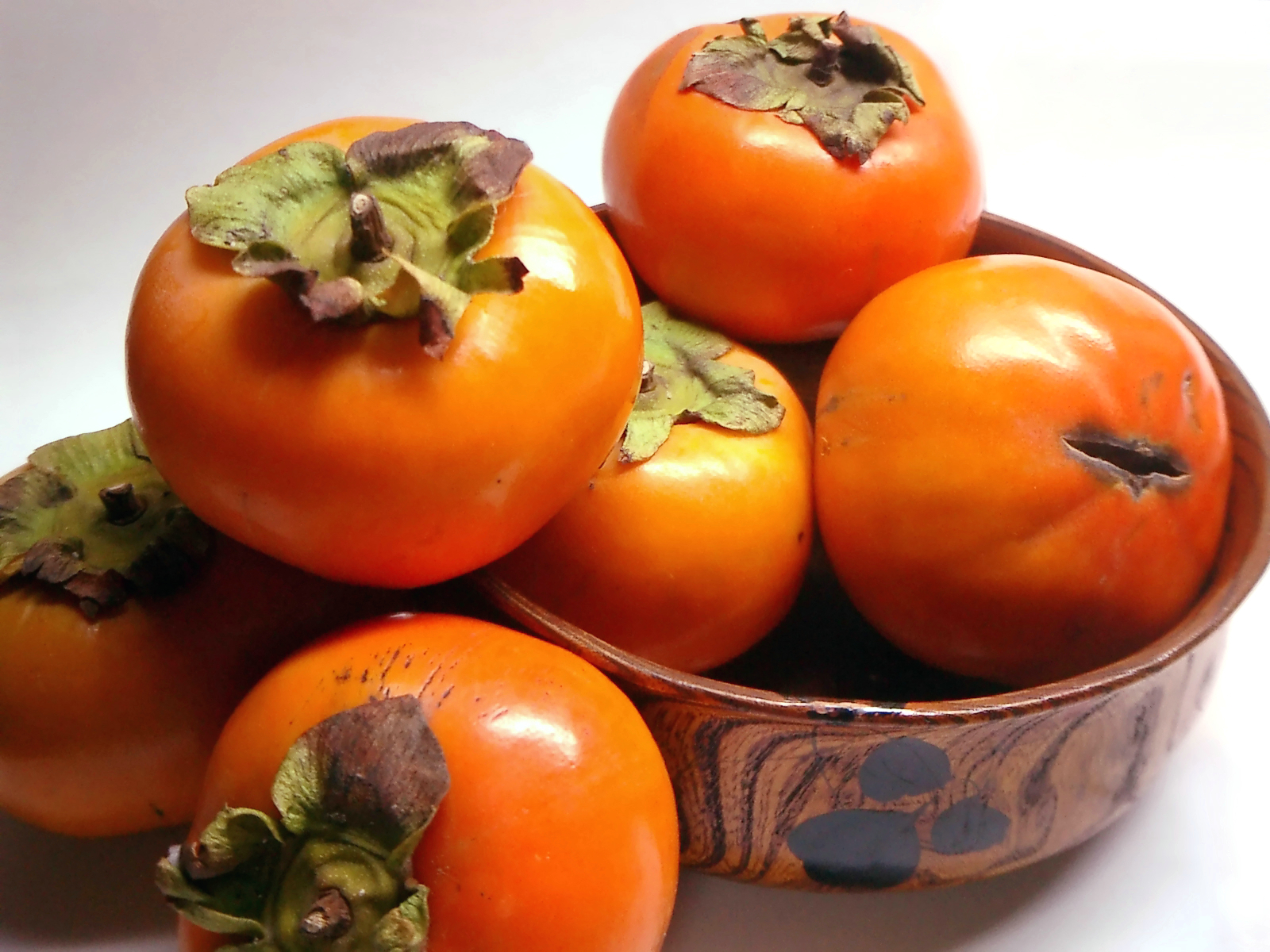
Persimmons are a beautiful, fragrant, sweet berry available in the Fall. Some varieties can be eaten while still slightly firm although most varieties taste best when allowed to ripen to an almost mushy consistency. Dried persimmons are a way to enjoy this delicious treat throughout the year and are available at Asian markets.
Commonly offered after traditional Asian meals as a digestion aid, persimmon tea, sometimes called "persimmon punch," also alleviates the symptoms associated with gastroesophageal reflux disease or GERD. GERD symptoms occur when stomach contents rise into the esophagus, which produces irritation. Acid reflux sufferers often experience varying degrees of heartburn, a feeling that food remains stuck in the region of the sternum, or nausea and regurgitation after meals. Various factors contribute to GERD including a hiatal hernia or a weakened sphincter between the stomach and esophagus. Certain medications, obesity or pregnancy may also create the condition. Persimmons are known, not only for their antimicrobial properties, but also contain vitamins A, C, and ten different minerals. The tea, made from simple ingredients consisting of persimmons, ginger, cinnamon and sugar, offers a number of health benefits that include diminishing flatulence and the discomfort that accompanies GERD.
Making the tea merely requires boiling the persimmons, adding the spices and sugar, and cooling the mixture. Some believe the secret of the remedy lies in the cinnamon and ginger components of the tea. Cinnamon originated in China and using the bark as a spice and health remedy dates back thousands of years. The popular spice offers anti-inflammatory and antimicrobial properties as well as providing it's antacid properties, relieving excess gas and calming diarrhea. Ginger also has a long history in alternative medicine for relieving nausea and having anti-inflammatory properties.
Persimmon Tea
In a large saucepan, combine:
2 quarts water
3 cinnamon sticks
2 tablespoons of fresh ginger root, sliced
1 cup dried persimmons
3 tablespoons evaporated cane juice crystals
Simmer the water, cinnamon sticks and ginger in the saucepan for approximately 45 minutes.
Add the persimmons and cane juice crystals.
Simmer for an additional 15 minutes.
Remove from heat and allow the mixture to steep for one hour.
When cooled, strain the liquid, discarding the solid ingredients.
Refrigerate the concentrated tea and enjoy as needed, hot or cold.
Many people enjoy drinking the concentrated tea while others add a few tablespoons of the liquid to other beverages, which also provides symptomatic relief. Individuals suffering from acid reflux typically consume three to four ounces of persimmon tea before or with meals and before going to bed. The sweet, spicy flavor of the tea appeals to many and GERD suffers appreciate the beverage's calming effects.
This simple home remedy remains worth a try for people plagued with the discomfort associated with gastric disorders. Some claim that including persimmon tea with an acid reflux diet and lifestyle modifications may reduce the need for prescription medications however GERD patients should consult with their primary care provider before eliminating any prescription medications.
Rowena Kang is a writer and the Outreach Director for the Morgan Law Firm, a firm that represents clients going through a divorce in Austin.
photo: Tomomarusan
Commonly offered after traditional Asian meals as a digestion aid, persimmon tea, sometimes called "persimmon punch," also alleviates the symptoms associated with gastroesophageal reflux disease or GERD. GERD symptoms occur when stomach contents rise into the esophagus, which produces irritation. Acid reflux sufferers often experience varying degrees of heartburn, a feeling that food remains stuck in the region of the sternum, or nausea and regurgitation after meals. Various factors contribute to GERD including a hiatal hernia or a weakened sphincter between the stomach and esophagus. Certain medications, obesity or pregnancy may also create the condition. Persimmons are known, not only for their antimicrobial properties, but also contain vitamins A, C, and ten different minerals. The tea, made from simple ingredients consisting of persimmons, ginger, cinnamon and sugar, offers a number of health benefits that include diminishing flatulence and the discomfort that accompanies GERD.
Making the tea merely requires boiling the persimmons, adding the spices and sugar, and cooling the mixture. Some believe the secret of the remedy lies in the cinnamon and ginger components of the tea. Cinnamon originated in China and using the bark as a spice and health remedy dates back thousands of years. The popular spice offers anti-inflammatory and antimicrobial properties as well as providing it's antacid properties, relieving excess gas and calming diarrhea. Ginger also has a long history in alternative medicine for relieving nausea and having anti-inflammatory properties.
Persimmon Tea
In a large saucepan, combine:
2 quarts water
3 cinnamon sticks
2 tablespoons of fresh ginger root, sliced
1 cup dried persimmons
3 tablespoons evaporated cane juice crystals
Simmer the water, cinnamon sticks and ginger in the saucepan for approximately 45 minutes.
Add the persimmons and cane juice crystals.
Simmer for an additional 15 minutes.
Remove from heat and allow the mixture to steep for one hour.
When cooled, strain the liquid, discarding the solid ingredients.
Refrigerate the concentrated tea and enjoy as needed, hot or cold.
Many people enjoy drinking the concentrated tea while others add a few tablespoons of the liquid to other beverages, which also provides symptomatic relief. Individuals suffering from acid reflux typically consume three to four ounces of persimmon tea before or with meals and before going to bed. The sweet, spicy flavor of the tea appeals to many and GERD suffers appreciate the beverage's calming effects.
This simple home remedy remains worth a try for people plagued with the discomfort associated with gastric disorders. Some claim that including persimmon tea with an acid reflux diet and lifestyle modifications may reduce the need for prescription medications however GERD patients should consult with their primary care provider before eliminating any prescription medications.
Rowena Kang is a writer and the Outreach Director for the Morgan Law Firm, a firm that represents clients going through a divorce in Austin.
photo: Tomomarusan
Thursday, November 8, 2012
vitamins and minerals for a healthy immune system
In today's busy world, staying healthy is very important. Day to day stress can leave people feeling run down and low on energy, especially if their dietary needs are not met. Many people with fast-paced lives opt for fast food instead of a home cooked meal, and the downside of fast food is that it's often high in fat and calories and low in the recommended amount of daily vitamins and minerals a person needs in order to stay healthy. With winter just around the corner, cold and flu season is on its way. Individuals with lowered immune systems can be especially susceptible to these pesky viruses. Support your immunity by building up your vitamin arsenal. In taking supplements as directed, you can defend yourself this winter by giving your immune system the boost it needs.
Vitamin C - one of the most beneficial vitamins of the entire vitamin spectrum. It is found in a variety of fruits (strawberries, oranges, and kiwis) and vegetables (bell peppers, brussel sprouts, and broccoli), and can be taken daily in capsule or chewable tablet form. Vitamin C gives a boost to the immune system, which is why it is known as a common remedy for winter colds. It also assists in cell renewal and works as an antioxidant, helping the body rid itself of toxins that can also contribute to low energy and chronic health problems.
Zinc - a mineral that is well known for its immune boosting properties, zinc also offers a long list of incredible health benefits. Research has proven that zinc is a very important element, even a minimal deficiency can contribute to various health issues. Zinc is a potent antioxidant, and antioxidants have been shown to lower cancer risks as well as renew cells and tissues. Zinc also assists in hormone and endocrine function. Low zinc levels can contribute to premature aging as well as well as lower natural energy levels. Probably the most common foods that include zinc are: low fat roast beef, pumpkin seeds, dark chocolate, and peanuts. People can also easily get the daily requirement of zinc by taking a multivitamin that contains this mineral.
Vitamin D - essential for health, getting fifteen minutes of sun exposure each day allows the body to absorb this amazing vitamin and utilize its health benefits. Vitamin D helps the body absorb calcium, which contributes to strong and healthy bones and a healthy immune system. It also works to regulate blood pressure, reduce respiratory infections, fight depression and improve cardiovascular strength. To make sure you are getting enough Vitamin D eat fish like mackerel, sockeye salmon, herring, catfish, or tuna fish. If you do not like fish you can also consume eggs or Shiitake or Button mushrooms.
While these vitamins and minerals can all be consumed individually or in multivitamin form. Multivitamins contain a variety of vitamins and minerals, and are a convenient way to get everything you need in one dosage. By incorporating these vitamins into your daily routine and taking them as directed, you will be able to protect yourself during cold and flu season, and you will also be contributing to your overall body health and future wellness.
Elissa Pitney studies health and wellness and is working towards becoming a personal trainer. When not working out and watching what she eats, she enjoys mountain biking and spending time outdoors. She also shops drugstore.com to stretch her dollar further while she is still studying.
Ed Note: For high quality pharmaceutical grade supplements consider shopping through a Holistic Health Practitioner
Vitamin C - one of the most beneficial vitamins of the entire vitamin spectrum. It is found in a variety of fruits (strawberries, oranges, and kiwis) and vegetables (bell peppers, brussel sprouts, and broccoli), and can be taken daily in capsule or chewable tablet form. Vitamin C gives a boost to the immune system, which is why it is known as a common remedy for winter colds. It also assists in cell renewal and works as an antioxidant, helping the body rid itself of toxins that can also contribute to low energy and chronic health problems.
Zinc - a mineral that is well known for its immune boosting properties, zinc also offers a long list of incredible health benefits. Research has proven that zinc is a very important element, even a minimal deficiency can contribute to various health issues. Zinc is a potent antioxidant, and antioxidants have been shown to lower cancer risks as well as renew cells and tissues. Zinc also assists in hormone and endocrine function. Low zinc levels can contribute to premature aging as well as well as lower natural energy levels. Probably the most common foods that include zinc are: low fat roast beef, pumpkin seeds, dark chocolate, and peanuts. People can also easily get the daily requirement of zinc by taking a multivitamin that contains this mineral.
Vitamin D - essential for health, getting fifteen minutes of sun exposure each day allows the body to absorb this amazing vitamin and utilize its health benefits. Vitamin D helps the body absorb calcium, which contributes to strong and healthy bones and a healthy immune system. It also works to regulate blood pressure, reduce respiratory infections, fight depression and improve cardiovascular strength. To make sure you are getting enough Vitamin D eat fish like mackerel, sockeye salmon, herring, catfish, or tuna fish. If you do not like fish you can also consume eggs or Shiitake or Button mushrooms.
While these vitamins and minerals can all be consumed individually or in multivitamin form. Multivitamins contain a variety of vitamins and minerals, and are a convenient way to get everything you need in one dosage. By incorporating these vitamins into your daily routine and taking them as directed, you will be able to protect yourself during cold and flu season, and you will also be contributing to your overall body health and future wellness.
Elissa Pitney studies health and wellness and is working towards becoming a personal trainer. When not working out and watching what she eats, she enjoys mountain biking and spending time outdoors. She also shops drugstore.com to stretch her dollar further while she is still studying.
Ed Note: For high quality pharmaceutical grade supplements consider shopping through a Holistic Health Practitioner
Subscribe to:
Posts (Atom)