Showing posts with label root vegetables. Show all posts

Tuesday, November 13, 2012

super (food) sweet potatoes

With Thanksgiving right around the corner the farmer's markets and grocery stores are overflowing with sweet potatoes.  They're so fabulous we just had to do another blog post about them.  Today we have Sydney Gallimore sharing why she loves these versatile, wonderful root vegetables so much and (shhh....) she's even giving us her mom's delicious recipe.

Fall is my favorite season for many different reasons. I love when the trees are bathed in hues of reds and oranges, when the weather cools down so I can wear my favorite scarf, and, of course, fall produce. My favorite fall ingredient is sweet potato.

Sweet potatoes contain lots of awesome health benefits. Here’s a quick list of all the good stuff packed into this delicious little tuber.

1. High in beta-carotene and other carotenoids which can strengthen our eyesight, boost our immunity to disease, and help fight cancer. Not to mention all of those antioxidants are great for fighting off the signs and affects of aging!

2. They’re high in vitamin B6 which can help prevent against heart attacks

3. Sweet potatoes are a good source of vitamin C, which can help ward off cold and flu viruses, and reduce stress. Vitamin C also produces collagen, which helps you maintain your youthful looking skin!

4. Sweet potatoes are also a source of potassium, which helps regulate heartbeat and nerve endings, which can prevent muscle cramps, reduce swelling, and regulate your kidneys.

5. Sweet potatoes have iron, which helps with red and white blood cell production, reduced stress levels, and helps regulate your immune system.

6. Sweet potatoes are high in fiber which is metabolized slowly, so you feel full longer; this may help fight against fatigue and weight gain! Sweet potatoes are a great diet food!

7. One average sized sweet potato contains about 112 calories, 2 grams of protein, and 26 grams of carbohydrates. The sweet potato is a true super food!

My favorite thing about sweet potatoes is how versatile they are. You can scour the Internet and find recipes for sweet and savory sweet potato dishes, and they’re all delicious. Or, pick your favorite potato recipe and simply substitute a sweet potato to increase your health benefits! My favorite way to serve sweet potatoes is in a soup. Here’s my mom’s recipe, which is both sweet and savory, and totally delicious!

2 tablespoons butter
1 tbsp olive oil
1 large onion, chopped
3 cloves garlic, minced
2 celery stalks, stalks and leaves chopped separately
2 pounds sweet potatoes peeled, cut into 1-inch pieces (about 6 cups)
1 tart green apple peeled, chopped
1 teaspoon granulated white sugar  [note:  change this to evaporated cane juice crystals]
2 tsp salt
2 tsp pepper
3 cinnamon sticks
3 sprigs fresh Thyme (1 tsp dried)
1/2 teaspoon ground nutmeg
4 1/2 cups chicken stock
1 1/2 cups heavy cream
3 tablespoons pure maple syrup
Sour Cream or Crème Fraîche as garnish

Heat oven to 400˚F
Spread the potato cubes evenly on a baking sheet, and drizzle with olive oil and roast for 20 minutes. Potatoes should be a bit under cooked, not yet tender
Melt the butter in a heavy pot over medium heat
Add onion, celery, sugar, and apple and sauté until soft
Add the garlic, cinnamon sticks, nutmeg, and thyme and sauté for 2 minutes
Add the chicken stock, potatoes, salt, and pepper and bring to a boil
Reduce heat and simmer uncovered about 15 minutes, or until potatoes are completely tender
Puree the soup in the pot using an immersion blender (or in a blender working in batches) until smooth Add the maple syrup and whisk in the cream over medium-low heat, until warm throughout
Season to your liking
Add water or simmer for a bit longer until soup reaches desired consistency
Ladle into bowls and garnish with sour cream or crème fraîche

Sydney Gallimore is content manager for Pippin Hill Farm, a boutique winery & wedding venue in Charlottesville, Virginia.

Photos: Wally Hartshorn

Tuesday, October 23, 2012

five awesome benefits of sweet potatoes

Sweet potatoes are inexpensive and nutritious. Commonly labeled as yams (although they are not the same), sweet potatoes are a great addition to your diet needs and offer superior benefits to your health and weight control efforts. Here are some of the benefits of sweet potatoes: 

Good for the heart Sweet potatoes are rich in vitamin B6 which helps the heart by protecting the arteries and blood vessels. Vitamin B6 inhibits the buildup of homocysteine, keeping arteries and blood vessels healthy by allowing the blood to flow freely.

Sweet potatoes are also rich in potassium that helps reduce blood pressure by eliminating excess sodium build up, promoting fluid balance. Your body needs potassium, an electrolyte, to keep natural heart rhythm and promote normal central nervous system function.

Rich in fiber Sweet potatoes contain more than twice the fiber content of other types of potatoes. It can contain as much 7 grams of fiber and is a great addition to any meal. High-fiber foods help you control your weight better because they burn more slowly and efficiently compared to low-fiber foods.

Sweet potatoes have both soluble and insoluble fibers. Soluble fibers form a gel and slow digestion down. It delays the emptying of your stomach which makes you feel full longer. It helps control weight, maintains healthy blood sugar levels, and lowers LDL cholesterol.

Insoluble fibers benefit the digestive system by providing a laxative effect and adding bulk to your diet. They remain relatively intact as they pass through the digestive tract, speeding up the passage of food and waste through the gut.

Rich in Vitamin A Also known beta carotene, vitamin A is an important antioxidant. A medium-sized sweet potato contains more than enough of your daily vitamin A needs. It helps the body fight off many forms of cancer.

It also protects the skin from sun damage. Eating the recommended daily allowance of vitamin A helps increase the skin's resistance to harmful UV rays. It helps repair the damage done by excessive sun exposure. It is also excellent for eye health, preventing vision loss and macular degeneration.

Source of Manganese Manganese is an important trace mineral needed for proper carbohydrate metabolism, promoting healthy blood sugar balance. It helps suppress your appetite to prevent you from overeating.

Manganese is also a cofactor in enzymes needed in chemical reactions for energy and antioxidant utilization. It is also used to treat anemia and severe premenstrual symptoms.

Provides Vitamins C and E Sweet potatoes are also rich in vitamins C and E. Both are antioxidants that play a vital role in preventing many diseases and contribute to longevity.

Vitamins C and E are important components in skin and hair beauty products. Sweet potatoes, being rich in vitamins A, C, and E help in keeping us healthy inside and outside.

How to prepare sweet potatoes Here are some of the healthy ways you can prepare your sweet potatoes:


  • Bake on a sheet at 400°F oven for 40-60 minutes. 
  • Boil or steam, peeled or unpeeled; 5 min for small-sized and 30 min for medium-sized. 
  • Add to soups and stews. 

Simon Bukai is the President of VISTA Health Solutions, an online health insurance marketplace aimed at finding affordable health care solutions for individuals, small business owners and the self employed.

photo: Albert Cahalan

Monday, March 28, 2011

eat white food

I frequently spend a lot of time asking people to eat the colors of the rainbow.  There are so many tasty colorful foods that I am at a loss to understand how the Standard American Diet came to be mostly beige.  On my Facebook Fan Page I often push colorful foods.  For the most part this means fruits and vegetables that are higher in nutrients, tasty and easy to incorporate into the diet in their whole food form.

Today however I'm here to advocate for white foods; at least some of them.  I'll still be one of the first to tell you that white rice, white pasta, white bread, white potatoes and that ilk are primarily simple carbs and not a great choice.  But there are some other white foods that are fabulous and should definitely be part of your nutritionally dense, healthy eating plan.

Cauliflower ] photo: Liftarn
Cauliflower - A cruciferous vegetable that is loaded with vitamin C, cauliflower also provides vitamin K, and some folate.  It's also got a type of phytonutrient called glucosinolates which are a good choice for detoxification activity within our bodies.  Antioxidant and anti-inflammatory properties make cauliflower high on the list for cancer prevention and heart health while it's high levels of fiber make it a great choice for supporting healthy digestion.  You can eat it raw, steamed, baked, roasted, and cooked.  Don't forget about the greens, these are also edible and make a great addition to a stir fry or curried greens.


Parsnip | photo: A.Cahalan
Parsnips - A root vegetable that is loaded with fiber, parsnips also provide vitamin C, vitamin K and folate.  They have a wonderful mineral content that includes calcium (yes folks, 1 C. of parsnips gives you 5% of your RDV for calcium), magnesium, phosphorus, potassium, and manganese.  I've read that before people knew that potatoes were edible, parsnips were one of the prized root vegetable for their mild, delicious flavor.  They can be eaten raw, cooked, mashed, steamed, and make a wonderful addition to a root vegetable medley or a carrot, sweet potato, parsnip latke.


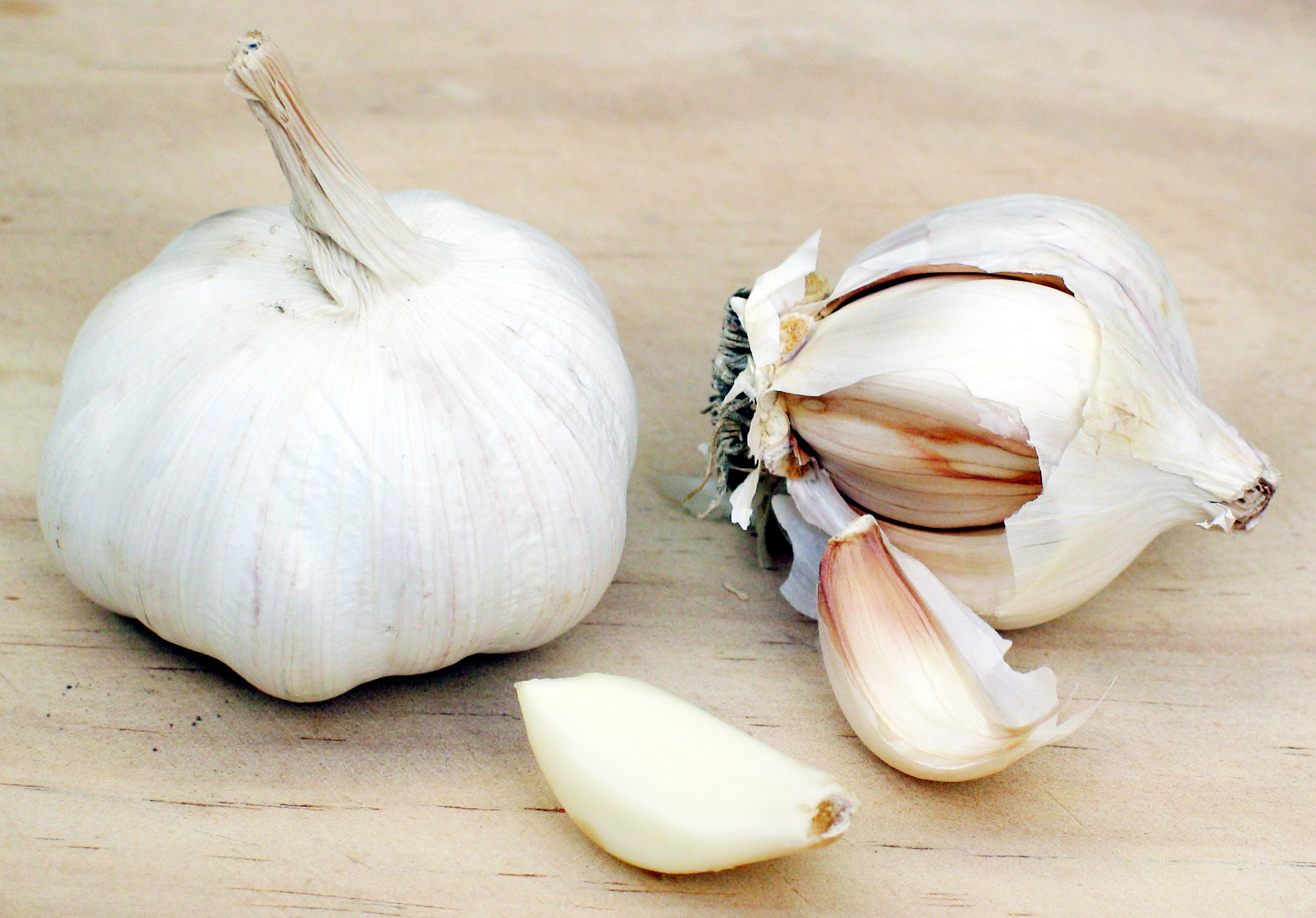
Garlic | photo: geocachernemesis
Garlic - Another wonderful root vegetable garlic is a fabulous antiviral, antibacterial, antifungal, cancer fighting, immune system boosting food that needs to be a part of your diet.  If chopped and let to sit for a few minutes oxidization boosts the powerful antioxidant allicins.  Many people, myself included, when feeling a little under the weather, will chop a clove or two of garlic and swallow it down raw (do not do this on an empty stomach as it may cause digestive upset).  Delicious, healthy, easy to use in a vast array of dishes, it's one white vegetable that belongs in your pantry.  As tasty as it is, it's no wonder that there's a recipe for chicken with 40 cloves of garlic.


White Onion | photo: multadroit
Onions - there are all different types of onions so it seems a bit odd to single out the white ones since I tend to use them all.  The white ones include sweets, cipollinis, shallots, pearl onions and more.  Try them all, they're delicious and so good for you. High in chromium, which is great for your blood sugar, onions also have a high level of sulfur compounds which makes them a great choice as a heart healthy, immune boost, cancer fighting, anti-inflammatory vegetable.  They also provide copper which is important for bone health.


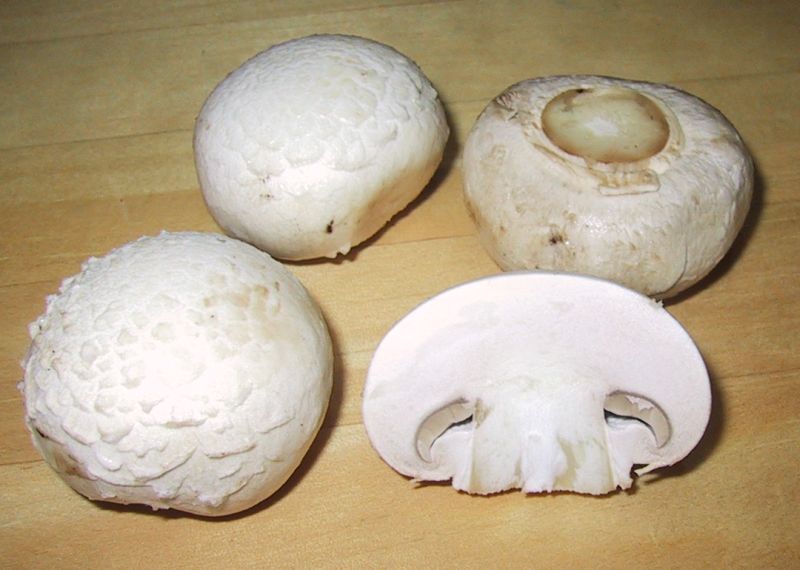
Mushrooms | photo: Chris 73
Mushrooms - everyone is going crazy for shitake, oyster, portobello, maitake and other mushrooms these days.  But that doesn't mean that you should discount those tasty white mushrooms.  They pack a nutritious punch with lots of fiber, vitamin B12 (especially important for vegetarians and vegans), potassium, copper, and selenium.  1/2 cup of mushrooms provides a whole lot of flavor yet only 7 calories. Another easy, versatile vegetable they can be used in many different ways in a wide variety of cuisines.


White Beans | photo: Rasbak
White Beans - This color covers a number of different kinds of beans, navy, great northern, cannellini, pea beans, and more.  A great source of protein, white beans also offer a great source of iron and fiber.  They are good for stabilizing blood sugar, good for your heart, your digestion and can be eaten so many different ways.  They pair well with an almost endless combination of vegetables, herbs, and spices.  One of my favorite ways to eat them is cold (after cooking) in a salad drizzled with a pesto dressing.


Celeriac | photo: AlbertCahalan
Celeriac - Sometimes referred to as celery root this tastes like a cross between celery and parsley.  It's great in combination with other root vegetables, goes great into a slaw, cooks up well in a casserole, and is another great choice to add to your diet.  Low in calories but high in vitamin C, vitamin K, vitamin B6, phosphorus, potassium, and manganese it's considered a detoxifying vegetable.  It may also help with blood pressure health and support bone health.


So eat a rainbow of food, whole foods that is, but don't forget white is all the colors of the rainbow and needs to be part of your plate too.

Thursday, December 24, 2009

daikon salad

This week there was Daikon Radish in the CSA share. Sometimes referred to as Oriental Radish, these tasty roots are very high in vitamin C and are also a good source of folate, potassium and magnesium. In addition to the roots, the leaves are edible and are also high in vitamin C as well as providing some calcium and iron.

Daikon can be eaten raw, stir-fried, steamed, or even added to soups. It has a definitive flavor that mellows with cooking. Many Oriental cultures pickle the root and eat it as a condiment.

One of my favorite ways to eat this delicious root is in an Oriental Salad. The tops of the root, the fatter part, tends to be milder in flavor so I use that when making this salad. The bottom of the root is great for pickling or stir-frying. I make this using the julienne blade on my cuisinart.

Daikon-Carrot Salad

1 C. julienned daikon root
1 C. julienned carrot
1 t. fresh grated ginger
1 T. rice wine vinegar
2 T. vegetable oil
1 t. sesame oil
1 t. tamari sauce
1 T. sesame seeds, toasted
2 t. ground nori (optional)

whisk together the vinegar, tamari sauce, sesame seeds, nori, and ginger.
slowly whisk in the oils
in a separate bowl toss together daikon and carrot
pour dressing over the vegetables and toss gently
marinate 30-45 minutes
can be served cold or at room temperature

Enjoy!

photo courtesy of KoS | commons.wikimedia.org

Friday, September 11, 2009

the turnips are coming, the turnips are coming

With the fall season fast approaching root crops are coming into season. Turnips are a great root vegetable and can be very versatile in the kitchen.

Turnips are a member of the brassica family which means they are related to cabbage, cauliflower, broccoli, brussels sprouts and others. Although there is an old fashioned tradition of cutting turnips into jack-o-lanterns for Halloween, I think they are far to tasty to be put to this use; far better to eat them. One of the wonderful things about turnips is that you not only eat the root, but also the greens.

The root is a great source of fiber, calcium, potassium and is an excellent source of vitamin C. Turnip greens are high in fiber, folate, iron, vitamin C, and calcium. They are also an excellent source of manganese (an antioxidant which is important for bone health and digestion), vitamin K (important for bone health and coagulation of the blood), and Vitamin A (an antioxidant which contributes to eyesight, tissue and skin health and may help lower your risk for cancer). So all around they are an excellent choice to have in your Fall/Winter pantry. To take advantage of all of that nutritional goodness, turnips can be cooked in a variety of ways: sauteed, mashed, baked, boiled, the list goes on.

My very favorite cookbook for greens is “Greene on Greens” by the late Bert Greene who was a Food Columnist for The New York Daily News. In it he writes about the tonic power of turnip greens,” It must have had some therapeutic effect, for turnip foliage was brewed into potions, restoratives, and pick-me-ps from the sixteenth to the nineteenth century with vary report of it's good pharmacy. Even today in the deep South, a cup of turnip green “pot likker” is still reputed to be the best cure for hangover ever invented.” While I've never tried pot likker as a cure for hangover I do know that when I get turnips I like to use the greens to add extra flavor, texture and nutrition to whatever I am making.

As the weather gets cooler, soup becomes a weekly item on our family menu. Warm and comforting, it's an easy meal and a great way to use turnips and their greens together. This recipe is based on Bert Greene's Mixed Turnip Chowder. I simply substituted a leek for the onion, added turnip greens and a couple of cloves of garlic. If you can't get rutabagas you can increase the turnips and potatoes to make up for them.

Mixed Turnip Chowder

2 T. unsalted buttermilk
1 leek rinsed and finely chopped
1 large rib celery finely chopped
1 pound turnips peeled and diced
1 ½ pounds rutabagas peeled and diced
2 medium potatoes peeled and diced
2 cloves garlic minced
1 quart vegetable broth
salt and pepper
1/8 t. mace (note: I don't use this)

Melt the butter, add the leek and garlic and cook a couple of minutes
Add the celery and cook a few minutes longer
Add the root vegetables and broth
bring to a boil then reduce to a simmer
Simmer about 20 minutes
Remove half of the vegetables and 1 C. broth
Add greens to the remaining soup in the pot
Blend the removed vegetables and broth until smooth
Return to the pot and add salt and pepper
Simmer another 5 minutes and then serve

Enjoy!

photo courtesy of commons.wikimedia.org/wiki/File:Turnip_2622027.jpg

http://www.healthvitaminsguide.com/minerals/manganese.htm
http://www.nutritiondata.com/facts/vegetables-and-vegetable-products/2704/2
http://lpi.oregonstate.edu/infocenter/vitamins/vitaminK/
staying healthy with nutrition, Elson Haas – pp 95, 108-109
http://en.wikipedia.org/wiki/Turnip
http://en.wikipedia.org/wiki/Bert_Greene_(cookbook_author)
http://en.wikipedia.org/wiki/Jack_o%27_Lantern
Greene on Greens, pp 185, 387