Showing posts with label vegetables. Show all posts

Tuesday, October 23, 2012

five awesome benefits of sweet potatoes

Sweet potatoes are inexpensive and nutritious. Commonly labeled as yams (although they are not the same), sweet potatoes are a great addition to your diet needs and offer superior benefits to your health and weight control efforts. Here are some of the benefits of sweet potatoes: 

Good for the heart Sweet potatoes are rich in vitamin B6 which helps the heart by protecting the arteries and blood vessels. Vitamin B6 inhibits the buildup of homocysteine, keeping arteries and blood vessels healthy by allowing the blood to flow freely.

Sweet potatoes are also rich in potassium that helps reduce blood pressure by eliminating excess sodium build up, promoting fluid balance. Your body needs potassium, an electrolyte, to keep natural heart rhythm and promote normal central nervous system function.

Rich in fiber Sweet potatoes contain more than twice the fiber content of other types of potatoes. It can contain as much 7 grams of fiber and is a great addition to any meal. High-fiber foods help you control your weight better because they burn more slowly and efficiently compared to low-fiber foods.

Sweet potatoes have both soluble and insoluble fibers. Soluble fibers form a gel and slow digestion down. It delays the emptying of your stomach which makes you feel full longer. It helps control weight, maintains healthy blood sugar levels, and lowers LDL cholesterol.

Insoluble fibers benefit the digestive system by providing a laxative effect and adding bulk to your diet. They remain relatively intact as they pass through the digestive tract, speeding up the passage of food and waste through the gut.

Rich in Vitamin A Also known beta carotene, vitamin A is an important antioxidant. A medium-sized sweet potato contains more than enough of your daily vitamin A needs. It helps the body fight off many forms of cancer.

It also protects the skin from sun damage. Eating the recommended daily allowance of vitamin A helps increase the skin's resistance to harmful UV rays. It helps repair the damage done by excessive sun exposure. It is also excellent for eye health, preventing vision loss and macular degeneration.

Source of Manganese Manganese is an important trace mineral needed for proper carbohydrate metabolism, promoting healthy blood sugar balance. It helps suppress your appetite to prevent you from overeating.

Manganese is also a cofactor in enzymes needed in chemical reactions for energy and antioxidant utilization. It is also used to treat anemia and severe premenstrual symptoms.

Provides Vitamins C and E Sweet potatoes are also rich in vitamins C and E. Both are antioxidants that play a vital role in preventing many diseases and contribute to longevity.

Vitamins C and E are important components in skin and hair beauty products. Sweet potatoes, being rich in vitamins A, C, and E help in keeping us healthy inside and outside.

How to prepare sweet potatoes Here are some of the healthy ways you can prepare your sweet potatoes:


  • Bake on a sheet at 400°F oven for 40-60 minutes. 
  • Boil or steam, peeled or unpeeled; 5 min for small-sized and 30 min for medium-sized. 
  • Add to soups and stews. 

Simon Bukai is the President of VISTA Health Solutions, an online health insurance marketplace aimed at finding affordable health care solutions for individuals, small business owners and the self employed.

photo: Albert Cahalan

Monday, October 22, 2012

on my mind monday 10.22.12

It's never the same two weeks in a row.  A collection of what I find interesting in the world of food, nutrition and holistic health.  Here's what's on my mind.

Eat your kale - many of us don't get enough of those dark leafy greens.  This article talks about some of the health benefits and reminds us that, like everything else, there needs to be some moderation in our consumption of dark leafy greens.

Eat more kale - of course the title above is similar to Bo Muller Moore's Eat More Kale campaign.  (For those of you who don't know, Bo has been issues a Cease and Desist order in an act of corporate bullying by Chick Fil-a who claims that their consumers would be confused between their Eat Mor Chik'n and his Eat More Kale -- I don't know about you but if I was one of their consumers I'd be insulted by that.)  He happens to have a few friends who love kale and have shared some delicious recipes, check them out.  And while you're at it, consider buying a t-shirt.

Students Donate Leftovers - There are a lot of things about this story that bother me.  While I'm glad that someone has come up with a way to take unwanted food and give it to those who are hungry, I find it mind-boggling that students are forced to take food they don't want.  What kind of message does this send?  It encourages waste.  The legislation in school districts that prevent the distribution of whole, clean food once it's been taken needs to be changed.  The solution seems straightforward, let's use common sense.

Ugly Fruit and Vegetables - Due to the drought grocery stores in England have been forced to accept less than perfect looking fruits and vegetables.  While it's not good that there's a drought and with it a growing food shortage, I think this has some positive aspects.  It will teach people that food doesn't have to look perfect to be edible.  Hopefully it will also open doors to more locally sourced, less big-agri-business perfection at the grocery store, and by extension on our tables.  The peppers that I pick from my garden are bumpy, lumpy and not so pretty.  But they sure taste good.  The ones at the grocery store are frequently beautiful to look at but less than flavorful.   Hopefully people can learn to accept that it doesn't have to look like it belongs in a stylized food photo shoot to belong on our table.

Cheese Smuggling - unlike the millions of dollars of maple syrup recently stolen in Canada this theft scheme did not happen as planned.  Apparently involving cross-border sales of cheese the Department of Homeland Security managed to break up the smuggling ring and put a halt to the operation.  Apparently many of the Canadian pizza shops claim they turned down the U.S. cheese because it was inferior (making me wonder just how much better Canadian mozzarella really is).  More importantly the fact that food thefts are increasing highlights the rising costs and increasing food insecurity.


Bleah! doesn't even begin to describe my reaction to this video.

photo: mconnors

Saturday, October 20, 2012

five fabulous fall foods

Summer, that season of fresh salads, greens, berries, and melons all bursting with healthful vitamins and nutrients, has passed. Autumn, however, also please our palates, providing us with different gifts of nature. There are many seasonal fruits and vegetables, which are just as tasty as summer while delivering different health benefits. Here are some fabulous fall foods (depending on your location) and their health benefits.

Tomatoes - This berry provides high lycopene content, that rare plant pigment which imparts their red color to tomatoes and other fruits . According to several studies lycopene can prevent cancer, lower cholesterol, and appears to protect us from harmful ultraviolet radiation. In addition to lycopene, tomatoes are high in potassium, fiber and vitamin C, helps to strengthen the immune system before the influenza season.

Cabbage - High in fiber, which supports digestion, can lower cholesterol, and provides cardio-protective benefits, cabbage is also rich in antioxidants which can protect the body against many types of cancer (including breast, prostate and ovarian cancers). Another benefit of this versatile benefit is that cabbage juice has long been known for it's healing effects on stomach ulcers.

Persimmon - Another berry, persimmons are high in fiber, and antioxidants. They also provide vitamins A, C, D, iron, potassium, calcium, copper, magnesium, manganese, and iodine. Persimmons can provide a fair number of health benefits from lowering blood pressure to being cardioprotective to it's anti-tumor benefits. However, persimmons are also high in glucose and sucrose making them a poor choice for those suffering from diabetes.

Turnips - A root vegetable containing potassium, magnesium, sulfur, iron, sodium, iodine and manganese, turnips are anti-cancerous while their high fiber content make them a great choice to lower cholesterol and support a healthy digestive system. One of the great things about turnips are that you can eat the greens as well as the roots, making them a versatile food to add to your diet. And those greens are just as loaded with nutrients as the roots, containing vitamins A, C, K, and folate. Turnip greens are even high in calcium making them a good choice to support bone health.

Beetroot - Another root vegetable which has edible greens, beets are highly anti-inflammatory and support detoxification in the body. Beetroot is high in folate, manganese, fiber, potassium, and vitamin C while the greens are a great source of lutein and zeaxanthin, two phytonutrients which are especially supportive of eye health. While almost all products can be found in stores throughout the year, for freshness and higher nutritional content it is important to eat seasonally.

Adding these autumnal foods to your diet is not only tasty and easy, it's also good for you.

Korah Morrison has been working as a freelance writer for over 2 years. She writes essays on various topics at Essay-Point.com and loves her work.

photo:  Jean-Pol Grandmont

Thursday, October 18, 2012

un-stuffed cabbage casserole


Piece of Unstuffed Cabbage Casserole
slice of un-stuffed cabbage
This post, and delicious recipe, are from my friend Robin Horn over at Seasonal Eating.  A foodie from a very young age, Robin lives in Santa Cruz, California and is a proponent of seasonal eating and CSAs.  

Cabbage is coming into season and there are so many delicious ways to serve it.  While I love stuffed cabbage I confess that the time it takes to make all those little rolls (especially compared to how quickly they get scarfed down) is somewhat of a deterrent.  This seems like a tasty solution; and since it makes 12 servings it would be great for a big family gathering (or for delicious leftovers).

Someday I will make stuffed cabbage leaves, the delicious galumkis that my mother and grandmother used to make…sort of. The family recipe was never written down, so this is a project for when time, patience, and creativity are simultaneously expanded. In the meantime, working on my cooking goal of 
exploring my Polish cooking roots, I found a Weight Watchers stuffed cabbage casserole, and set out to make a no-beef, more easily prepared version.

First Mix in Spices, Rice, Onion & Carrot
Because the original recipe had a number of cabbage leaves wrapped around one mound of filling, it was tricky to cut and serve—and to fill in the first place. So, I simply chopped all of the cabbage and put half in the filling and half beneath the filling, where all the juices from the filling drip down deliciously.

I topped the filling with a thin tomato sauce. Originally I tried a layer of cabbage on the top, but the tomato sauce dried out instead of flavoring the cabbage. So I replaced this layer with a few thin cabbage strips. The meat and rice filling right below the tomato sauce draw the tomato flavor down into the casserole because the uncooked rice is “thirsty.”

Mixing Meat with Liquids
Next Mix in Tomato Sauce, Egg & Broth
While not as time consuming as stuffed cabbage leaves, there are many steps in this recipe and it must cook for 1½  hours. Just like stuffed cabbage, the leaves must be precooked. Save time by having two people chop veggies, measure and mix meat filling ingredients,  make the sauce, and assemble the layers.

You can use lean ground beef in this recipe if you prefer. I added paprika from my family recipe. You could choose various herbs, garlic powder, and/or a hint of cayenne. If you’re braver than I am, you can blend the meat mixture with your hands, like my Mom did. It’s faster, and if I’d had some latex gloves, I would have tried it.
[note from Mira:  I find it's simple to mix meat mixtures like this in my blender.  And since I'm often working with cold ingredients I don't get that chilled effect on my hands which I find unpleasant.]

Mixing Cabbage with Meat
Last Mix in Cabbage
Un-Stuffed Cabbage Casserole
serves 12

~ 2 ½ lbs. cabbage
1 lb. ground turkey
2/3 cup shredded carrot
½ cup minced onion
½ cup brown rice
½ tsp. salt
1½ tbsp. paprika
1 large egg
1¼ cup chicken or veggie broth
24 oz jar tomato sauce
2 tbsp. wine vinegar
2 tsp. sugar
olive oil for greasing pan

Bring a large pot of water to a boil. Remove 3 outer leaves from cabbage to make the strips of cabbage for the topping. 
Cut remaining cabbage into quarters without removing core.

Boil each quarter cabbage in water until tender, about 5 minutes. 
Drain well and cool. 
Chop cabbage quarters into ½ inch dice, discarding cores. 
Boil the 3 cabbage leaves in water 3 - 4 minutes, until tender. 
Remove with slotted spoon, drain and cool. 
Cut out rib and make ½ inch strips of soft parts. 
Dice ribs with quarter cabbages.

Preheat oven to 350 degrees F.

Put ground turkey into bowl and break up into pieces with wooden spatula. 
Mix in carrot, onion, rice, salt, and paprika. 
Beat egg together with ¼ cup broth till smooth. 
Add this mixture and ½ cup tomato sauce to meat mixture and beat till evenly blended. Mix in half of the cooked chopped cabbage evenly.

To make the sauce, combine the remaining tomato sauce with wine vinegar and sugar.

Spreading Tomato Sauce Over Meat and Cabbage
Make An Even Layer of Meat on Cabbage
Lightly oil a 9” x 14” baking pan. 
Spread the remaining half of the cabbage in the bottom of the pan. 
Pour the remaining (1) cup of broth around the edges of the pan. 
Spoon on the meat mixture. 
Smooth out with a rubber spatula to make an even layer.

Place the cabbage strips across the top, leaving space between them.
Pour tomato sauce over top of meat mixture and cabbage strips and spread into even layer.

Bake for 1½  hours. 
Let stand at least 20 minutes before serving so liquid is absorbed.

Friday, October 12, 2012

swiss chard two ways

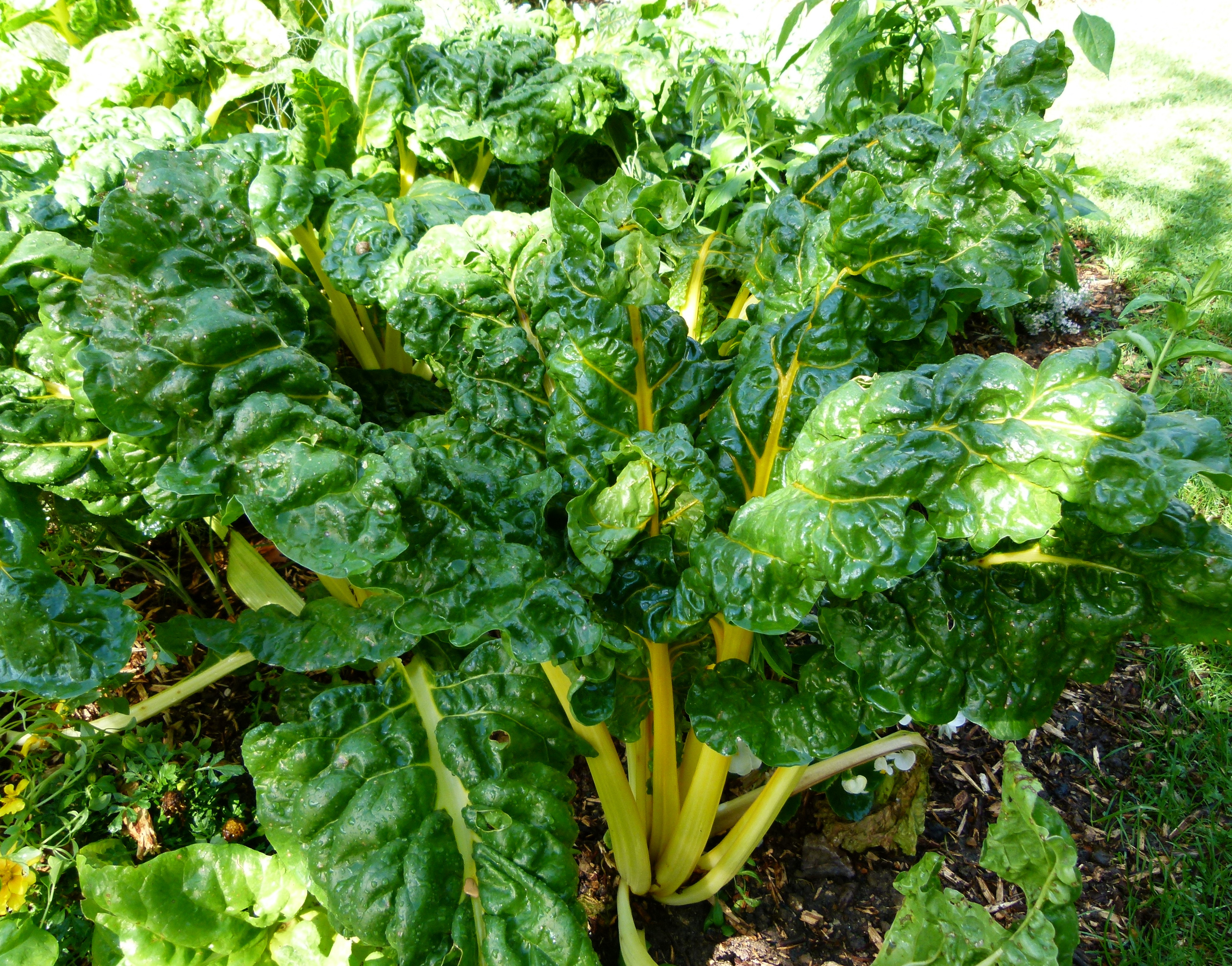
The other night I picked the last of my Swiss chard from our garden for dinner. It's one of my favorite dark leafy green vegetables. Antioxidant rich, loaded with vitamins K, A, and C, Swiss chard also provides a healthy dose of magnesium. Often when we eat it I make a simple sauteed greens. This time, however, I wanted to do something different and came up with these two recipes, using the entire leaf. 

Although most people throw out the stems, they are delicious and can be cooked a variety of ways. These are the two recipes I created using all of the Swiss chard. I can't wait to plant more and enjoy this again.

Braised Carrots and Swiss Chard Stems

½ onion, diced
8 carrots, sliced into ½ inch pieces
Stems from Swiss chard, cut into ½ inch pieces
2 tablespoons butter
¼ cup water
Sea salt and fresh ground pepper to taste

In a large pan melt butter
Saute onions until starting to turn golden color
Add carrots and Swiss chard stems
Stir to coat with butter
Add water and bring to a boil
Reduce heat and cover
Cook until carrots are tender (about 15 minutes)
Add salt and pepper to taste


Creamed Swiss Chard

Large bunch of Swiss chard
½ cup boiling water
½ onion, diced
1 clove garlic, pressed
2 tablespoons butter
½ cup organic sour cream
 ½ cup organic whole milk
sea salt and fresh ground nutmeg to taste

Trim stems from Swiss chard
Cut leaves into 1” pieces
Wilt in boiling water until limp
In a large saucepan melt butter
Saute onions and garlic until onions start to turn golden color
Whisk sour cream and milk together
Pour over onions and heat until just starting to bubble
Add wilted Swiss chard leaves
Bring to a boil, stirring frequently
Reduce heat to just under boiling
Cook 5-7 minutes until sauce thickens slightly
Add sea salt and fresh ground nutmeg to taste


photo: Dinkum

Wednesday, October 3, 2012

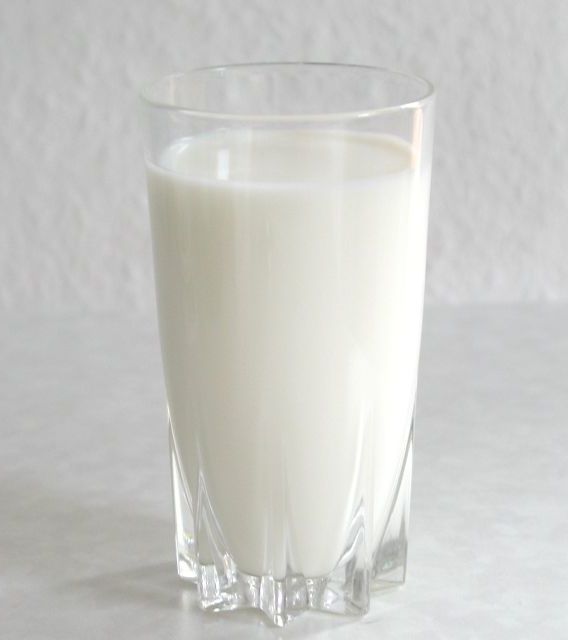
but i need milk for calcium, don't i?

I have some clients who need to avoid dairy products.  Invariably when they find this out their first question is "Don't I have to drink milk to get calcium?" or "But how will I get my calcium?"

Calcium is important in the diet, not only for healthy bones and teeth, but also to support nerve and muscle health as well as for blood clotting.  However it doesn't just come from cows (or goats or sheep or camels or any other milk giving mammal).

Most people think calcium is synonymous with milk.  They've been so sold by the Milk Producers Federation that they feel they've gotta "get milk."  However, milk, and other dairy products, are not the only way to add calcium to the diet.

For those who can't drink milk there are alternatives such as almond, soy, oat, hemp, and rice.  And while the calcium and protein content of alternative milks vary (and is mostly added) it's important to remember that there are ways to get calcium without drinking milk, eating other dairy products, or drinking alternative milks.

As a means of comparison, whole milk provides 110 mg of calcium per 100 gram serving.

Other sources of calcium include:

sesame seeds - 989 mg per 100 g
sardines - 382 mg per 100 g
almonds - 266 mg per 100 g
flax seeds - 255 mg per 100 g
turnip greens - 190 mg per 100 g
brazil nuts - 160 mg per 100 g
collard greens - 140 mg per 100 g
spinach - 99 mg per 100 g


photo: Stefan Kühn

Thursday, August 16, 2012

cucumbers

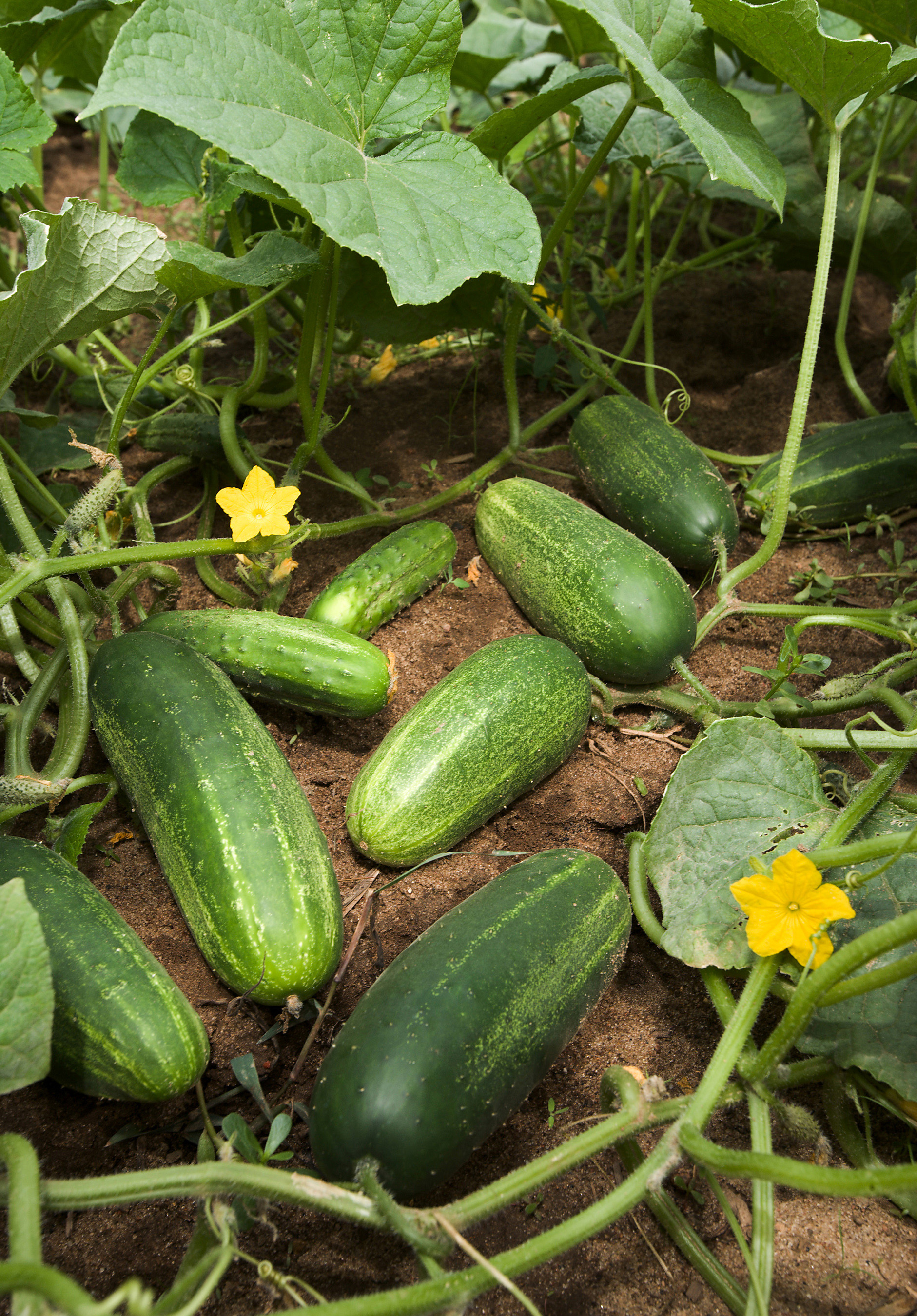
cucumbers | photo: pdh
I've picked what I believe is the last cucumber of year from my garden.  The heat and the lessening rain have done a number on the plant which is shriveling and not likely to produce any more fruit.  Of course there are also no more blossoms, another pretty good indicator.

Although we treat them like a vegetable, cucumbers are actually a fruit, related to melons like cantaloupe.  High in antioxidants and anti-inflammatory, cucumbers are a good source of vitamin K which is important to help the body properly utilize vitamin D.

Refreshing, hydrating, and delicious, cucumbers can be prepared a number of different ways, used raw in salads, creamy salads (such as raita or tzatziki), or pickled.

One of my absolute favorite ways to eat them is as a refrigerator pickle because in season I just keep throwing more cucumbers into the jar.  They only need to sit for a few days to be ready to eat.  It's important to remember that because these are not hot water bathed, they will not last outside the refrigerator and even stored in the refrigerator are probably not good to keep for more than two weeks,  I confess I eat them so quickly when I make them that I'm not really sure how long they would last.

Refrigerator Cucumber Pickles

1/2 gallon jar - sterilized

2 cups raw, unfiltered apple cider vinegar
6 cups of water
1/2 cup pickling salt
1 bunch fresh dill
3-4 cloves garlic cut in half
1 small vidalia onion, peeled and sliced - optional

Don't forget the cucumbers

In a medium pan combine vinegar, water and salt
Bring to a slow boil, stirring until salt is completely dissolved
Remove from heat and let cool completely
Add remaining ingredients including onion slices if desired
Wash and prepare cucumbers by cutting into slices or spears
Put as many as will fit into jar and still be submerged
Let sit 2-3 days before eating


Monday, July 16, 2012

on my mind 07.16.12 - meg's edition

news | photo: mconnors
Normally this is where I write about what's on my mind and share information and links on a variety of food, nutrition and holistic health topics.  Today we have a guest post from Meg in Connecticut who has been reading along for a while and was inspired to put together this list of links.

Triage Your Food - this excellent tip from Lifehacker claims that by creating a triage box in your fridge you can keep track of what needs to be eaten first and possibly save $100 per month or more.  I'm currently scrounging around my bin collection to see what I have that can be repurposed so I can implement this very idea.

USDA 'playing chicken with safety' - Essentially the government wants to turn the inspections over to the companies themselves.  This is not the first time this sort of issue has come up and I am assuming it won't be the last.  Unfortunately this is like putting the fox in charge of the henhouse and I do not believe that safety will continue along its current levels which are already not good enough.

Maryland politicians chicken out on arsenic ban - Yes, there is arsenic in chicken feed.  No it is not necessary.  Yes chickens, and people, would be healthier if it was removed from the feed.  The producers put it in there to reduce or eliminate coccidiosis, a common problem with overcrowded poultry conditions.  The dangers of arsenic go beyond the exposure in the meat, the run-off present in chicken excrement also poisons water supplies and the environment.  Buying organic chicken or from a a farmer you know and trust is the only way to avoid exposure to this toxic metal.

Ag-gag laws in five states - I find this very disturbing.  Producers are so concerned about public opinion if consumers know what they are really doing that they have managed, in five states, to successfully gag anyone who tries to report on them.  So what are they hiding?  Poor conditions, inhumane treatment of animals, unhealthy and unsanitary conditions, and possible/probable contamination which can affect the consumer.

USDA needs to label mechanically tenderized beef - meat that is tenderized by machine is considered "non-intact" and therefore has more surface area.  This higher level of surface area provides more growth medium for bacteria, therefore requiring a higher cooking temperature to avoid illness.  This issue has apparently been under review since 2009.  Quite frankly I'm not sure what the holdup is, this could prevent illness and bacterial outbreak and makes perfect sense to me.

What's inside the 26-ingredient school lunch burger - The first ingredient is meat and the second is water.  But the third ingredient is soy flour (hmmmmm.....is there no allergen label in those school cafeterias?).  Most of the ingredients are not food and should not be in there, including "natural" flavor and disodium inosinate both of which are key words for MSG, and caramel color, which the Center for Science in the Public Interest says is a carcinogenic ingredient.  Last time I made burgers I had just six whole food ingredients, meat, egg, onion, parsley, oregano, and salt.  No chemicals, no harmful ingredients.  What's in your burger?

Paper Mache Carrot Pencils - a really cute craft idea to encourage veggie interaction.

Regulating sugar like alcohol - This is an opinion piece from CNN which points out all the reasons that sugar is so bad for our health and how difficult it is to control in our diet.  If nothing else it should at least help you to be more cognizant of how much sugar you may actually be consuming in your diet without being fully aware of it.

Growing Your Own Veggies - more and more people are turning to the idea of home gardening.  Not only to combat the rising cost of food or the increasing food contamination issues, but because growing food is fun.  And other people are learning how to identify, forage for, and eat weeds.


Monday, June 4, 2012

on my mind monday 6.4.12

news | photo: mconnors
It's never the same two weeks in a row.  This is what I find interesting in the fields of health, nutrition, and holistic living.  Read what's on my mind.

Like curry? - turmeric, one of the commonly used spices in curry, contains curcurmin.  Evidence appears to indicate that curcurmin can be supportive for conditions such as arthritis, cancer, and diabetes. Now it turns out that curcurmin may actually boost the immune system.  In addition to curries, turmeric can be used in making pickles, relishes, added to egg salad, use to flavor rice dishes, and more.  I always laugh when I go to visit a friend of mine who is from India.  Her kitchen contains a quart jar of turmeric and she goes through it at a fairly quick pace.  I have a two ounce jar and it takes me a long time to use it all.  Perhaps we all need to be considering other ways to add it to our diet.

RI to vote on banning veal crates - I'm happy to see this in the news and hope that Rhode Island will join Arizona, Colorado, California, Maine, and Michigan in outlawing this inhumane practice.  Veal is, essentially, the waste product of the dairy industry.  Not able to use male calves the farmers can instead turn them into meat.  However part of the reason veal is so pale and tender is because the calves are kept hobbled or caged and cannot walk or use their muscles.  It is also believed that many of these calves are given illegal hormones to make them grow faster, thereby making them more profitable for the farmer. Many people, when they find out how veal is raised, are horrified and choose to no longer eat it.  That is the clearest message that can be sent to the farmers.

Fast Food Mania TV show - I'm truly stunned by this t.v. concept (and not in a good way).  I wonder how hard the fast food producers had to work and how much they had to pay to get this concept on the air.  As if we don't have enough of a challenge with obesity and fast food consumption in this country.   I get the impression that this show will not only glorify this unhealthy food, but also offer tips on how to maximize your dining experience.  Not a good idea.


Right now in my garden outside I have a fair amount of greens growing including kale, swiss chard, and Malabar spinach (Basella alba).  While malabar is different than traditional spinach due to it's habit of climbing and the rounded thicker leaves, it's still a spinach and so it get's cooked like spinach.  This video from George Mateljan shows a great way to cook it.  His healthy take away tips are 1. don't drink the water that you cook the spinach in as it is high in oxalic acid, and 2. use lemon juice on the spinach, this will help to increase the iron absorption.

George has a great book The World's Healthiest Foods which is a wonderful reference for learning about the healthy properties of a tremendous range of foods.  It also comes packed with hundreds of delicious recipes.  This is one of those books which I believe belongs on everyone's shelf.  Sign up for his YouTube channel and stay on top of his healthy, tasty, recipes as well


disclosure: cmp.ly/5

Wednesday, May 30, 2012

roasted corn salad

roasted corn salad
I love summer and summer food.  For me there is nothing better on a hot day than a quick simple barbecue with lots of tasty side salads.  My sister-in-law is a genius at the side salad thing, probably because she grew up in Texas where all my friends seem to be good at that.   Me?  Well, it's a learned thing, mostly started by her generous gift of two cookbooks loaded with salad recipes.

This is my latest creation.  It was late by the time we ate and I was too hungry to stop and get out the camera.  When I remembered to take this picture there was, I kid you not, only three spoonfuls of salad left.  That's how good it is.  The general family consensus is that it's a keeper.  Hope you think it is too.

Roasted Corn Salad - 5-6 servings

3 ears of corn
1 red bell pepper diced
3 spring onions, cleaned and diced
1/2 cup celery diced
1 clove garlic, pressed
1 small bunch of cilantro minced
1/3 cup extra virgin olive oil
1 small lime juiced
sea salt and pepper to taste

Shuck the corn and cook in a pot of water until just starting to boil
Remove from the water, pat dry and place on a medium high grill
Turn corn occasionally to prevent burning
     (although my guinea pigs family says the darker bits are tasty too)
When corn is slightly browned all over remove from grill
Using a sharp knife remove kernels from cob and place into a bowl
Add bell pepper, spring onions, celery, garlic, and cilantro
Mix well
In a separate container whisk together olive oil, lime juice, salt, and pepper
Pour dressing over corn salad and toss well to coat evenly

Monday, April 2, 2012

on my mind monday 4.2.12

news | photo: mconnors
It's never the same two weeks in a row.  This is a snapshot of what I find interesting; information about health, nutrition, and holistic living.  Here's what's on my mind.

Light It Up Blue - Today is World Autism Awareness Day.  With rising rates of autism, which many believe has strong ties to chemical influences in our food and environment, it is important to be more understanding and supportive of those families affected by this disease.  I'll be wearing blue today to show my support.

Beekeepers say we're running out of time - There appears to be more evidence that pesticides are behind the tragic decline of bees.  Bees are so important to our agricultural system, without them there is no pollination, and without that many crops cannot reproduce.  A recently filed lawsuit claims the EPA violated   the law on several counts.  We need to think more about what is good for the planet rather than concentrating only on the bottom line.

Kale is not chikin - Chick-Fil-A continues to press it's lawsuit demanding that Bo Muller-Moore, a t-shirt artist in Vermont, cease and desist in the creation of his t-shirts.  This multi-billion dollar company apparently feels that they own the rights to the words "Eat Mor" and that folks will be very confused when presented a choice between his "Eat More Kale" t-shirts and their Eat Mor Chikin campaign.  I'm happy to say Bo is going to make a documentary about this corporate bully.  I'm also happy to say that I helped to fund this documentary and I'm looking forward to watching it when it comes out.

Artichoke - I've just planted one and am looking forward to seeing how it grows in my Texas garden.  Aside from being delicious, artichokes are a great source of vitamins, K, C, and folate.  They're also a good source of magnesium, manganese, and potassium. One delicious artichoke also provides a lot of  fiber.  For those of you just starting your gardens or starting seed for later crops, here's a neat tip on making your own bio-degradable plant pots.

Governors supporting pink slime - leaving aside the financial contributions that BPI has made to these political leaders who are trying to put a positive spin on this product the fact remains that this is not a good food choice.  It is the leftover bits that the company is trying to eke a profit out of an then hitting up with ammonium hydroxide.  In many countries this product is only considered fit for dog food.  I don't even think it should be fed to animals.  The original term Lean Finely Textured Beef makes it sound like food however it doesn't override the fact that now consumers know what it is and THEY DO NOT WANT TO EAT IT.  I know I'm shouting there but I find it very frustrating when companies feel that their corporate profits are more important.  I choose not to eat this product, I encourage others not to eat it and I'm thrilled that fast food restaurants and grocery stores are bowing to consumer demand and removing this product from their shelves.  Now we need to get it out of the school system and out of the food supply.

Hopping for health - I confess that I no longer have a gym membership.  I never made it to the classes because my schedule never seemed to work out and I get bored by the machines after a while.  For some people gyms work well and that's great.  I've been using walking, bike riding, yoga, and strength exercises at home as my form of exercise.  I know that I'm not getting enough impact exercise which is important for bone health and to help prevent osteoporosis.  This looks like a lot of fun and I'm going to make one on my patio and see how I like it.  Either that or start borrowing neighborhood kids and playing hop scotch.


Luckily we had a very mild winter.  My eggplant and pepper plants did really well and managed to last through the winter.  Now they're loaded with blooms.  I'm going to try to help it along by pinching, as he suggests.  My hot pepper is already producing lots of peppers and I'll let that go, but my bell peppers and eggplants will get a trim.  We'll see what happens.

Tuesday, March 20, 2012

eating more

I recently got asked the question, "How do I eat more fruit and veggies, I don't think I'm eating enough?"  That's a good question.  And one that's faced by a lot of people.  Especially parents who are trying to encourage their children to eat a healthier diet.

One of the best ways I have found to encourage people to eat more fruits and vegetables is to have them on hand and convenient.  This means they are not in your fridge just rotting in the bottom of your crisper drawer.  I frequently encourage people to cut them up, prepare and make containers.  Set them out on the shelf in your fridge and it's a grab-and-go snack.  They can either be sorted by type of food or you can make "snack packs" with an assortment.  Either way if you're in the mood to munch and you open the fridge door to see a convient snack right there you may find yourself eating more healthy choices.

Another way is to add veggies to other foods.  You would not believe what gets added to my homemade spaghetti sauce.  Add shredded veggies to a lasagna.  Double the veggies in your omelette or frittata.  What about soups?  Loaded with pureed veggies, especially if it's a creamy style soup base is an easy way to boost your veggie intake without trying very hard.  The trick is to make sure that you put in things that will not overwhelm your soup.  Sharper tasting foods such as cruciferous vegetables (cabbage, cauliflower, broccoli, etc) or onions may not appeal to some.  Mucilaginous textured foods such as okra may not appeal to others.  Experiment and be mindful of what you are adding in.

Choose seasonal fruits and vegetables.  I can't stress this enough.  A tomato in season and from a farmer's market (if possible) tastes like the most delicious, amazing thing.  A tomato in the middle of winter with a waxy coating tastes like cardboard.  When foods are in season, and hopefully local, they are picked close to ripeness.  Otherwise they may be picked early, stored, and then force ripened with ethylene gas.  This forced ripening does not allow the flavor to come through, it just makes it look ripe.  If you're eating unappealing, non-tasty fruits and vegetables it does not encourage you to want to eat more.  As a side benefit, you really appreciate things when you can only have them in season.

Make different choices when you eat out.  There are tasty ways to add more veggies to your diet when you are eating out which allow you to still enjoy your dining experience but avoid getting bogged down by the simple carbs and other unhealthy choices.

Skip the juice and eat the fruit.  Did you know that it takes an average of 4 oranges to make 8 ounces of orange juice?  That's a lot of sugar and those extra calories add up pretty quickly.  It would be pretty difficult to eat four oranges in one sitting.  However each orange you eat comes with a significant amount of fiber which helps to slow down the glycemic effect.  The same is true for other juices.  Switch your juice to water (add a few slices of fruit for flavor if you like) and eat the fruit instead.

Keep a food journal.  An 8.5 x 11 sheet of paper folded into quarters gives you 8 spots to write down what you eat each day.  If you're looking to increase things like water consumption (always a good idea) and fruits and veggies set a goal for yourself and then keep track of it.  By looking back over the week you'll be able to see if you're meeting your goal and where you can make changes to increase your consumption a little at a time.

Small changes add up over time.  By making one or two adjustments you may soon find yourself eating more healthy fruits and veggies.

Wednesday, February 15, 2012

cauliflower in the garden

I'm very fortunate to live in an area where we have an extended growing season.  While I miss certain crops that need cold weather to grow well (like currants) I'm loving the veggies that come out of my garden.

This lovely picture is the purple cauliflower that is currently growing in the garden.  It's delicious and tastes just like the white cauliflower that we are all used to.  The purple color comes from anthocyanins, a highly active antioxidant.

As a cruciferous vegetable cauliflower is, of course, high in fiber.  It also provides excellent levels of vitamin C, K, and folate.  It's delicious steamed, baked, roasted, and can even be eaten raw.

The tastiness doesn't stop with the florets.  Those lovely leaves are also edible.  I often use them as a green vegetable in stir fry or sauteed with onions and garlic.  A friend of mine recently told me that he used his in place of kale to make cauliflower chips and they were delicious.  I love kale chips and so I'm going to have to try that with this batch of greens.

Wednesday, February 1, 2012

mediterranean rice salad

Recently I went to a party and I needed to bring a dish to share.  The food theme of the evening was Mediterranean.  Wanting to make something fresh and different (and more than just the typical hummus and pita or a Greek salad) I rummaged around in my pantry and put together this amazingly delicious rice salad.  One of the great things about this dish is that it makes use of fresh vegetables and fresh herbs.  I love salads like this, often preferring them the next day after the flavors have had a chance to meld and blend.

It was a big hit at the party and my family was rather disappointed that I didn't bring home more leftovers. I got two thumbs up from the kids (my personal taste testers) and they told me that I should definitely make it again.

Mediterranean Rice Salad

1 cup cherry tomatoes, quartered
1 red sweet bell pepper seeded and diced
4 spring onions, diced
3 ribs celery, diced
1 cup assorted olives, diced
1/4 cup sun dried tomatoes in oil, drained and diced
1/2 cup pine nuts
1 bunch parsley, de-stemmed* and minced
1tablespoon minced basil leaves
4 cups cooked basmati rice
2 tablespoons olive oil
1 tablespoon red wine vinegar
sea salt and fresh ground pepper to taste

Mix all ingredients together, toss well, let sit 2-3 hours for flavors to develop.

Delicious!

*When I de-stem herbs like parsley or cilantro I've learned a little trick that makes it very easy:

Leave the herbs bound together, wash well to clean and shake dry
Holding the stems use a chef's knife and chop at the leaves in a short brisk fashion moving down the stems
Rotate the stems and repeat on another side until all sides have been shaved
Remove band holding the stems together
Throw the stems in your compost bin
Pile chopped leaves together and mince

It probably took longer to write that than it takes to do it.  Once you do this you'll wonder why you ever de-stemmed leafy herbs any other way.

Friday, December 30, 2011

joy bauer's food cures


Joy Bauer's Food Cures has been revised and updated; I was fortunate enough to have a copy recently come across my desk.

As those of you reading my blog know, I am a huge proponent of food and it's ability to help support a healthy body.  We are what we eat; eating whole food and practicing wholesome nutrition goes a long way toward supporting our bodies and in dealing with health issues.

Broken down into several easy to understand categories this book covers the basics of understanding nutrition as well as how to, as Joy puts it, "think like a nutritionist."  She offers information about how to lose weight and support healthy skin and hair.

Speaking of hair, did you know the average person loses about 100 hairs each day?  It turns out that since hair is made from protein if we don't get enough we can actually cause the rate of new hair growth to slow down.  In the book Joy points out that hair is a good way to determine overall health and highlights which vitamins (and which foods contain those vitamins) are supportive for healthy hair and nails (which are made from the same hardened keratin protein as hair).  Offering more in-depth health and nutrition support, the book also delves into conditions such as cardiovascular disease, diabetes, migraines, IBS and more.

The book is easy-to-read and laid out with step-by-step encouragement and support to help the reader reach their goals for health.  The book is also sprinkled with lots of call-out boxes which cover the highlights and answer questions that the reader may have.  She includes stories and examples throughout the book which is helpful.  In addition to providing the necessary information to help the reader better understand the basics of their condition and how to best support their body each chapter has a 4-Step Program which reminds the reader of the basics, provides a grocery list, offers some additional suggestions, and then also offers meal plans with some delicious looking recipes.  Her Citrus Smooth-See recipe on page 272 is delicious as is the Vegetable Oatmeal Bisque on page 322.  And the Parmesan Couscous and Ratatouille with Olives, Tomatoes and Fresh Basil on pages 383 (listed below) is a new family favorite.

Joy Bauer's Food Cures provides what you need to know about healthy eating and whole food nutrition.  It also gives you information to help you understand how to make those healthy changes.

Parmesan Couscous and Ratatouille With Olives, Tomatoes, and Fresh Basil
Makes 3 servings (1 1/2 cups ratatouille and 1 1/2 cups coucous per serving

Ratatouille

1/2 pound kale, stems trimmed, thinly sliced
Kosher salt
1 tablespoon olive oil
1 large yellow squash, cut into small cubes (about 2 cups)
2 medium tomatoes, diced
1/4 cups kalamata or nicoise olives (7 or 8) pitted and chopped
Pinch of ground red papper
1/4 cup whole basil leaves torn

Couscous

1 cup whole wheat couscous
1 cup sugar snap peas, chopped
1 1/4 cups low sodium chicken or vegetable broth, heated
1/2 cup grated Parmesan cheese
Kosher salt
Ground black pepper

To make the ratatouille:
Heat a deep saute pan over high heat
Add the kale, a sprinkle of salt, and 3/4 cup water
Cook, stirring occasionally for 13-15 minutes or until softened
If the kale becomes too dry add more water
Stir in the oil, squash, tomatoes, olives, and red pepper
Cook for 5-6 minutes or until the squash is tender and the tomatoes lose their shape
Remove from the heat and stir in the basil
Set aside

To make the couscous:
In a medium bowl, mix the couscous and sugar snap peas
Pour the hot broth on top, stir at once and cover with aluminum foil
Allow the couscous to rest for 5-6 minutes or until all the water is absorbed and the couscous is soft and fluffy
Fold the cheese into the couscous and season with salt and black pepper

To serve:
Spoon the couscous onto a plate or bowl and serve the ratatouille on top

To learn more about Joy and the concept of food cures visit her website.

Disclosure: cmp.ly/1cmp.ly/5

Friday, December 2, 2011

curried cauliflower

cauliflower | photo: jeltovski
In my part of the world cauliflower is in season.  Yummy cauliflower, it's so easy and versatile to prepare in a number of different ways.

One of the things that always seems to surprise people is that you can use the green leafy bits too, not just the white florets.  The greens make a great vegetable to go along with your cooked cauliflower.

In the summer I often roast the greens right along with the florets.  Drizzled with a fruity olive oil, some sea salt and fresh ground pepper they are truly fabulous.

But now that we're heading into colder weather I'm not roasting vegetables as much, preferring different cooking methods.  At this time our year with cauliflower I often like to curry it.  The flavors of curry go well with the cauliflower and greens.  Over a bed of rice with some protein on the side it's a very satisfying dinner.

Curried Cauliflower

generous pinch of mustard seeds
2 tablespoons olive oil
1 onion minced
1 clove garlic minced
1 cauliflower cut into florets
cauliflower greens cut into bite size pieces
1 teaspoon of curry powder
1/4 cup water
salt to taste
1/4 cup chopped cilantro

Heat olive oil in the pan
Add mustard seeds and cook until they just start to pop
Turn heat to medium
Add onions and saute until starting to soften
Add garlic and saute one minute more
Add curry powder and stir well
Add cauliflower, greens and water
Reduce heat to low, cover and cook 8-10 minutes until cauliflower is tender
Season with salt and cilantro

For another delicious cauliflower recipe sign up for my newsletter.

Tuesday, November 15, 2011

zucchini noodles

I wanted to share this dinner that I made recently because it was quick, easy, and very tasty.   It's an assembly style dish, you cook each of the layers and when you get to the last layer dinner is done.  Most of the time is spent in prep-work, the actual cooking doesn't take too long.  I do keep the dish in the oven in between layers (set to 250 degrees) to make sure everything stays warm.

This recipe came out of a need to provide a meal for someone who follows a gluten free diet.  Many people are avoiding gluten these days.  And while there are certainly a number of gluten free pasta options out there, quite a number of people are also not getting enough vegetables.  I think this idea is a delicious way to add more veggies to the diet.

Zucchini noodles.  So yummy and so easy to make.  The best part is that you can even use the oversize-on-their-way-to-baseball-bat sized zucchini.  Wash the zucchini, trim both ends, and using a vegetable peeler begin to peel long strips all the way down the length of the zucchini.  After several strip rotate the zucchini one-quarter turn and make more strips, rotate again, repeat.  This helps to make thin enough strips width-wise.  I peel all the way down to the seeds but don't peel the seeded part of the zucchini.

Here's the recipe for you to enjoy.

Zucchini Noodles and Sausage 

1 package pre-cooked, chicken cilantro sausage
1 large zucchini, turn into noodles, dice the center part
3 tablespoons olive oil
1 large sweet onion, diced
2 cloves garlic, minced
1 large tomato, diced
1 green pepper, diced
1 tablespoon tomato paste
1/2 cup minced cilantro
salt and pepper to taste

Add 2 tablespoons olive oil to the skillet
Add 1/2 of the diced onion and the garlic
When the onion starts to soften turn down the heat slightly and add the zucchini
Toss and cook the zucchini for approximately 5 minutes until it is coated in oil and warmed through
Place zucchini and onions into a serving dish
Add 1 tablespoon olive oil to the skillet
Add the rest of the onion
When onion starts to soften add bell pepper, diced zucchini center, tomato, and tomato paste,
Saute until bell pepper starts to soften
Add salt and pepper to taste
Spoon mixture over zucchini noodles

Place sausage in the skillet and heat until browned on the outside
Remove sausage from skillet and slice into bite sized pieces
Sprinkle sausage pieces on top of dish
Garnish with cilantro

Note:  if necessary you can make this dish ahead.  Simply reheat in a 300 F degree oven for about 20 minutes until all of the ingredients are warmed through

Saturday, October 15, 2011

garden update

I woke up this morning to a deliciously cool morning, breezy, sunny, birds singing, perfect garden weather.    So I took myself out into the garden for a little early morning weeding and puttering around in the dirt.  

This has been a horrible year for vegetable gardening for me.  I confess I'm a wimp.  If it's raining or over 90 degrees I don't like to be out there.  We didn't get rain but we certainly had more than our fair share of extraordinarily hot days.  And we had a drought.  The end result of which is that we got peas, beans, tomatoes and hot peppers.  But the zucchini didn't grow (I had always thought it was impossible to NOT grow zucchini -- shows what an expert I am), the broccoli and sweet peppers were stunted and bitter, and many of my herbs grew so poorly that I was unable to harvest anything.  I'm afraid to try to dig the potatoes, I don't think anything is there.

This morning however I was thrilled to see some things survived and are actually doing well.  Here in East Texas our Fall weather is mild enough that many folks refer to it as a second spring.  We are fortunate enough to have an extended mild season that allows us to grow another set of crops.  Given the hope that follows the soaking rain we had a week ago I'm recharged and ready to get back into the garden.

the cabbage is starting to recover
a baseball sized lemon - the only one on the tree

our eggplants are starting to fruit
the harrdier herbs survived: oregano, sage, chives, pepper basil, a curry plant and yarrow
our fig tree is producing a bumper second crop

Being outside made me realize how much I have been shut inside during the heat of our summer.  Yes, I went for walks and bike rides, but to just spend extended amounts of time outdoors enjoying the yard and my surroundings -- didn't happen.  I'm grateful for the cooler weather, the opportunity to be back outside and the resiliency of mother nature.

Wednesday, October 12, 2011

grocery savings

This is a picture from my local grocery store.  I'm posting it as a public service so I can help you save money.

Grocers and producers have learned that the public is becoming more and more comfortable with the idea of paying more for organic food.  If they think you'll buy it, they'll make it and sell it to you.  The challenge is to be a smart shopper and know when you should and shouldn't spend those extra dollars.

The Environmental Working Group has put together this handy little list that you can download to paper, ipod, iphone, whatever to take to the grocery store with you.  It lists the Dirty Dozen, those foods most highly contaminated by pesticides and therefore worth spending extra money on to purchase organic.  This is because organic standards do not allow the use of chemical pesticides.

There's another side to the list though, it's call the Clean Fifteen.  These are the foods least likely to be contaminated by pesticides and therefore not worth shelling out extra dollars for.  My only change to this list would be corn which is often genetically modified, so I'd still buy that either organic or if you know the farmer and can ask them if it's non-GMO.  Essentially foods with a shell or outer covering are good choices to not have to purchase organic.  That would include bananas.

So save your money on the organic bananas (20 cents per pound at my grocery store) and put that money toward those foods that are important to purchase organically.

Thursday, October 6, 2011

juice smoothie

juice smoothie
I have just found a new favorite place to stop for a cool drink when I am out running errands.  For years I have been unhappy with the smoothie places that offer various fruit concoctions claiming that they are a healthy drink.  Often these come from containers not from fresh fruit and there are added sugars.  Fruit is so sweet by itself that I've never understood the need to add other sweeteners.

And I've often wondered, where are the vegetables?  100% fruit isn't so healthy either.

My new favorite place?  New York Smoothie.  A friend told me about it and I went to check it out today.  I ordered  and then watched as the owner Mr. Hosaini juiced up (in a juicer) carrots, celery, parsley, beets, and a few other veggies, all 100% fresh.  He then transferred the juice to a blender, added some ice and created this delicious smoothie.  I'm hooked and I'm definitely going back.*

If you want to pay him a visit he's located at:
127 Sawdust Road
Spring, TX  77384

*In the spirit of full disclosure, I paid for my juice smoothie and was not asked or induced in any way to write this, I just love the product.