Showing posts with label seasons. Show all posts

Tuesday, December 4, 2012

how diet affects winter seasonal affective disorder

Seasonal Affective Disorder, or SAD for short, is a common mood disorder where people experience depressive symptoms in the winter or anxiety in the summer consistently every year, but maintain a healthy mental state during other seasons. Symptoms of SAD include:
  • Fatigue 
  • Increased need for sleep 
  • Decreased levels of energy 
  • Weight gain or loss 
  • Increase or decrease in appetite 
  • Difficulty concentrating 
  • Trouble sleeping 
  • Sadness 
  • Anxiety 
  • Irritability 
  • Antisocial behavior,  and 
  • Craving carbohydrates 
Seasonal Affective Disorder, also called winter blues, summer blues, or seasonal depression affects about four to six percent of Americans severely. According to the American Academy of Family Physicians, SAD is four times more likely in women than in men, ten to twenty percent of Americans may have a mild case of SAD, and it usually isn’t found in people younger than the age of twenty.

If you suffer from the above symptoms, you may have Seasonal Affective Disorder; however, there must to be a history of these symptoms for a couple years before it can be correctly diagnosed. According to Clinical Psychologist Kathy Hogan Bruen: "There's a difference between feeling down and being depressed. Being clinically depressed means you have more than just a couple of symptoms and they've lasted for more than a couple of days. Before someone receives a diagnosis of SAD, they must experience this consecutively for two years. It's not just 'I feel bad one winter, therefore I must have SAD.' There has to be a history there." If you suspect you have SAD, seek a professional opinion. Self diagnosis is never a good idea.

The exact cause of SAD is unknown. Medical professionals attribute it to any of the following:

  • Lack of sunlight 
  • Increase in melatonin levels 
  •  hormone levels 
  • Irregular brain chemistry 
  • Lack of serotonin 
  • Disruption of our circadian rhythm, or
  • Lack of vitamin D 
Research on Winter Seasonal Affective Disorder continues, but thus far the lack of sun is the most compelling cause since lacking sunlight affects the brain by increasing melatonin while decreasing serotonin and vitamin D levels in the body. When exposed to sunlight, your optic nerve sends a message to your brain to produce less melatonin. Melatonin is a hormone that calms the body and allows you to sleep. When the sun comes up your brain produces serotonin, a hormone that induces feelings of wakefulness. When the sun's ultraviolet rays touch your skin, your body produces vitamin D. Vitamin D also helps the body maintain proper serotonin levels. So during the dark winter months you could have insufficient amounts of vitamin D and serotonin, but overly sufficient amounts of melatonin thus the depressive state.

A research project done at the University of Alaska, Anchorage found that “as serum vitamin D decreased, symptoms of SAD increased.” Winter Seasonal Affective Disorder and the Mediterranean Diet Studies such as that of the University of Alaska, Anchorage lead us to believe that SAD can be controlled through diet. More specifically through a diet high in vitamin D which aids in the production of serotonin in the body. Psychiatrist David Mrazek on MayoClinic.com, claims that eating a Mediterranean diet can help.

A Mediterranean diet is a diet high in fresh fruits and vegetables. With the Mediterranean diet whole grains, healthy fats, fish, and lower amounts of meats can help reduce depression. According to Mrazek this diet can reduce depression by up to one-third. Dietary supplements also help with Seasonal Affective Disorder. In addition to vitamin D, supplements to add into your diet include: omega-3 vitamin B3 vitamin B12 and folate. Fish, and nuts contain high amounts of omega-3 while B-complex vitamins come from oily fish, beans, nuts, and whole grains. Herring, mackerel, salmon and flaxseed are the richest sources of omega-3 fatty acids.

Key components of the Mediterranean Diet include exercise, eating whole grains, using olive oil, eating plant-based foods, such as fruits, vegetables, legumes and nuts. The diet also calls for the use of herbs rather than salt to flavor foods, enjoying meals with family and friends, limiting red meat consumption while increasing fish and poultry, and drinking red wine in moderation.

In a study by R. J. Wurtman and J. J. Wurtman published in Obesity Research, it was found that consuming foods high in carbohydrates increases serotonin in the brain, which alleviates the symptoms of depression involved with Seasonal Affective Disorder. Excess carbohydrates may; however, cause unwanted weight gain and worsen depression. A study published in the International Journal of Eating Disorders supported eliminating simple carbohydrates from the diet of individuals with SAD, claiming this helped control the depression for a longer period. The consumption of carbohydrates and its effect on Seasonal Affective Disorder continues to be a controversial issue and the center of more studies; however, the Mediterranean diet in considered a low-carb diet, balancing the amount of carbohydrates with a variety of other nutritious foods and is highly recommended.

Kate Hunter is a writer at Everlasting Health Center, Reno’s best vitamin, supplement, herb and health food store since 1995. She enjoys organic gardening, whole food cooking, and following up on the latest health food news. Katie obtained B.A. in English with an emphasis on writing from Southern Oregon University and has been writing about nutrition, healthy living, cooking, and gardening for over nine years. She is a mother of three and spends her time baking, canning, growing and drying herbs, and reading food labels of course.

Saturday, October 20, 2012

five fabulous fall foods

Summer, that season of fresh salads, greens, berries, and melons all bursting with healthful vitamins and nutrients, has passed. Autumn, however, also please our palates, providing us with different gifts of nature. There are many seasonal fruits and vegetables, which are just as tasty as summer while delivering different health benefits. Here are some fabulous fall foods (depending on your location) and their health benefits.

Tomatoes - This berry provides high lycopene content, that rare plant pigment which imparts their red color to tomatoes and other fruits . According to several studies lycopene can prevent cancer, lower cholesterol, and appears to protect us from harmful ultraviolet radiation. In addition to lycopene, tomatoes are high in potassium, fiber and vitamin C, helps to strengthen the immune system before the influenza season.

Cabbage - High in fiber, which supports digestion, can lower cholesterol, and provides cardio-protective benefits, cabbage is also rich in antioxidants which can protect the body against many types of cancer (including breast, prostate and ovarian cancers). Another benefit of this versatile benefit is that cabbage juice has long been known for it's healing effects on stomach ulcers.

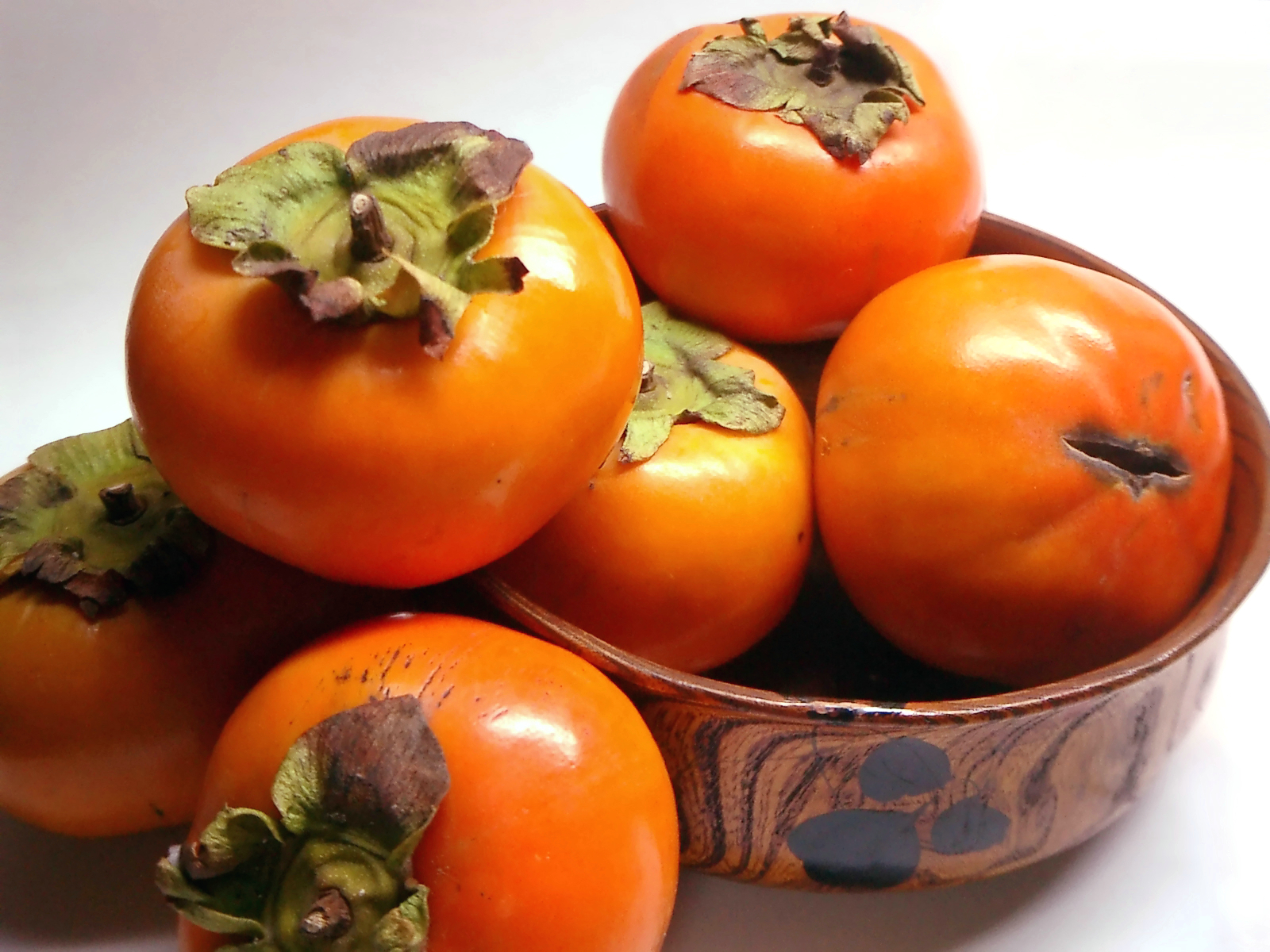
Persimmon - Another berry, persimmons are high in fiber, and antioxidants. They also provide vitamins A, C, D, iron, potassium, calcium, copper, magnesium, manganese, and iodine. Persimmons can provide a fair number of health benefits from lowering blood pressure to being cardioprotective to it's anti-tumor benefits. However, persimmons are also high in glucose and sucrose making them a poor choice for those suffering from diabetes.

Turnips - A root vegetable containing potassium, magnesium, sulfur, iron, sodium, iodine and manganese, turnips are anti-cancerous while their high fiber content make them a great choice to lower cholesterol and support a healthy digestive system. One of the great things about turnips are that you can eat the greens as well as the roots, making them a versatile food to add to your diet. And those greens are just as loaded with nutrients as the roots, containing vitamins A, C, K, and folate. Turnip greens are even high in calcium making them a good choice to support bone health.

Beetroot - Another root vegetable which has edible greens, beets are highly anti-inflammatory and support detoxification in the body. Beetroot is high in folate, manganese, fiber, potassium, and vitamin C while the greens are a great source of lutein and zeaxanthin, two phytonutrients which are especially supportive of eye health. While almost all products can be found in stores throughout the year, for freshness and higher nutritional content it is important to eat seasonally.

Adding these autumnal foods to your diet is not only tasty and easy, it's also good for you.

Korah Morrison has been working as a freelance writer for over 2 years. She writes essays on various topics at Essay-Point.com and loves her work.

photo:  Jean-Pol Grandmont

Sunday, September 25, 2011

persimmon raisin muffins

Persimmons | photo: Tomomarusan
It's persimmon season.  I love these tasty little fruits, with their rich fragrant scent and amazing flavor.  Luckily for me there is a pick your own place not too far away.  Each year I go and pick pounds and pounds of them.  I eat as many as I can before they get so ripe and so soft that they are in danger of sliding out of the fruit bowl and off the counter.  They have to be pretty soft before they are ripe enough to eat so this window is pretty small.

When I get to this point I turn the rest into pulp to store in the freezer.  This allows me to make cakes, cookies, and other persimmon delights for as long as the supply lasts. Apparently you can make jam from persimmons but I somehow never seem to get around to doing that.  I'm also not sure if I would use it as I'm currently the only one in the house who likes persimmons.

One of my favorite things to bake with persimmons are these muffins.  They're a great treat with a rich dark flavor that is so reminiscent of the crisp fall weather.  I'm sure they would freeze well but somehow they've never lasted long enough for me to test that theory.

Persimmon Raisin Muffins

3 cups white whole wheat flour
1 teaspoon cinnamon
1/2 teaspoon nutmeg
1 teaspoon baking soda
½ teaspoon baking powder
1 teaspoon sea salt
1 cup persimmon pulp
1 egg
1 cup sucanat
1 tablespoon vanilla
1 cup raisins
1 cup chopped pecans

Preheat oven to 375°F
Grease loaf pans
Sift together flour, cinnamon, nutmeg, baking soda, baking powder and salt
In a separate bowl beat egg, add persimmon pulp and sucanat
Add vanilla, raisins and pecans
Add sifted ingredients and mix well
Spoon into greased muffin tins
Bake 15 minutes or until tops spring back when tapped
Remove from oven and cool in tins 3-4 minutes before moving to wire rack
Finish cooling on wire rack

Monday, May 30, 2011

seasonal eating

fresh tomato | photo: xandert
I regularly teach a class on seasonal eating.  What the benefits are and why we should look to consume more seasonal (and local) produce.   Obviously part of the benefit is that seasonal foods are picked when they are fully ripe, especially if they are local, rather than being picked under-ripe and either stored or transported before being force ripened.  This means that the nutritive value of the food is fully developed as well as it's flavor.  Anyone who has ever eaten a truly fresh tomato knows what I am talking about.  Eating seasonal, locally produced fruits and vegetables also helps reduce the environmental impact of your food.  If you think about it, why eat tomatoes from 2,000 miles away when you can get better tasting ones closer to home without burning massive amounts of fossil fuels?

At my last class I got a question that I've gotten a couple of times before and I wanted to address it because I think it's an issue that tends to get a little confusing for folks sometimes.  It's about the seasonality of food.  I live in the Eastern Piney Woods region of Texas.  We have a very different growing season here compared to most of the rest of the country, with the equivalent of two spring-like seasons with a very hot season sandwiched in between.  Learning to grow food here has proven to be a bit of a challenge as I was raised in Connecticut.  Luckily I have several local CSAs and Farmer's Markets that help supplement our supply of seasonal foods with their expert skills.

This season is vastly different than what we experienced when our family lived in Vermont.  I remember once taking a garden tour with Shepherd Ogden, President and Founder of The Cook's Garden seed company, who jokingly claimed that Vermont should be renamed the Green Tomato State since the growing season was so short.

So the question that comes up is about what constitutes a season.  The answer?  Well, it depends on where you are living.  I think the first, most important place to start is to understand the concept of seasonal eating and decide if this is something that you want to follow.  We try to do so in our house for most things because we then get the ripest, best tasting produce by waiting for the season.  It also means that we more fully appreciate our food by having to wait for it.  I'm going to be honest and put in a disclaimer here to say that there are certain foods that we do not eat seasonally because we use them too much (such as onions, garlic, carrots, and celery) but in general we eat berries in the spring and summer, squashes in the winter and so on.

In addition to learning to appreciate the seasonality of your food you need to learn what exactly your seasons are.  The National Resources Defense Council has made it easy by putting together a Smarter Living - Eat Local web page.  It even has a helpful Farmer's Market listing which, while it doesn't list all Farmer's Markets (at least not in my area) should be good enough to get you started.

If you want to learn more about seasonal and local eating here are some great books to get you started:


Monday, April 11, 2011

peas in bloom

Pea blossom | photo: Brynn
Outside in the garden today I noticed that my peas are blooming.  I love their pretty white little flowers and, of course, love the delicious peas soon to be eaten.

Peas have a lot going for them.  While they are definitely in the starchy vegetable category they are also very high in a lot of wonderful nutrients that help our bodies in many different ways.  High in phytonutrients they are a good choice as an antioxidant and anti-inflammatory vegetable.  And although they are sweet, peas are actually considered to be a low glycemic index food (anything below 55 GI is considered low, peas come in around 48) probably due in part to their level of fiber and protein.

Peas are also high in vitamin K, manganese and vitamin C.

They go into a wide variety of dishes and can be eaten raw when young or in any variety of cooked methods when they are more mature.

One family favorite way to eat them is in a dish I call Peas-y Peas and Celery.  When I was a kid I used to love it when my mom would make a dish of new potatoes and peas.  It tasted like spring to me, fresh, bright and delicious.

Of course peas also great thrown into a huge Chef's Salad or used as an appetizer or sandwich spread in Mark Bittman's Pea Dip.  There are just so many different ways to enjoy them.

However you enjoy them in very short order there are going to be lots of delicious, fresh, new peas at farmer's markets and groceries near you; perhaps even in your own garden.  Enjoy them, savor them, let me know what your favorite recipes are.

Wednesday, December 1, 2010

the deliciousness of kale

Karen Roth is a colleague of mine and very knowledgeable about health and nutrition.  She's written a guest-blog for me to share with all of you about the health benefits of one of my all-time favorite vegetables, kale.  Karen has also shared a really amazing recipe, I'm sure you're all going to love it.

KALE

I love shopping at the Farmer’s Markets this time of year. There are so many new vegetables available, many of which may intimidate most of us. In comes Kale. Looks simple, like lettuce, and it’s dark green which the brain says, “that’s got to be really good for me. But why? And how do I prepare it so that it actually tastes good?”

First for the “why.” Well, with all the toxins surrounding us, we need to support our liver’s ability to neutralize and detoxify harmful chemicals. Scientific studies have shown that sulforaphane and isothiocyanates, both sulfur compounds, can do just that. Kale is chalk full of these wonderful compounds.

Also, I can’t go without mentioning the benefits Kale can have to eye health….as I reach for my reading glasses. Note to self: buy more kale! Kale contains the most concentrated source of lutein and zeaxanthin. These carotenoids protect the eyes from harmful UV light and also protect against cataracts.

So let’s “see” how we can prepare a delicious kale dish. While I can’t take credit for this recipe, I can certainly attest to the simplicity of preparation and the flavor factor that I’ve tested on many a guest.


Dark Leafy Greens with Caramelized Onions, Raisins and Pine Nuts
From One Bite at a Time by Rebecca Katz

6 cups kale, stemmed, and cut into bite-size pieces
2 TBS extra virgin olive oil
1 red onion, cut into quarter moons (about 1 cup)
¼ tsp sea salt
1 clove of garlic
1/3 cup raisins
1 TBS toasted pine nuts
Cover the kale with cold water and set aside until ready to use. In a large, deep sauté pan, heat the olive oil over medium-high heat. Add the onions and a pinch of salt. Sauté for 3 to 5 minutes. Decrease the heat to low and cook slowly until the onions are caramelized, about 20 minutes.
Add the garlic and stir for about 30 seconds, just until aromatic. Add the raisins and stir for about 30 seconds. Deglaze the pan with 2 tablespoons of water to loosen all the flavorful bits from the bottom.
Begin adding the greens to the pan with a pinch of salt, continuing to add as many greens as will fit in the pan. The water that adheres to the greens will be enough liquid to wilt the greens. Taste the greens, add an additional tablespoon of water, if needed, cover the pan, and cook the greens until tender, 2 to 3 minutes. Taste again, adding of pinch of salt or a drop or two of maple syrup, if necessary.
Arrange the greens on a plate and sprinkle with the toasted pine nuts. Serve hot. Don't forget to pour the cooking juices over the greens before you add the nuts—more nutrients!
Prep Time: 15 minutes · Cook Time: 15 minutes · SERVES 6
Storage: Store for two days in the fridge in an airtight container
Per Serving Calories: 109; Total Fat: 5 g (1 g saturated, 3 g monounsaturated);
Carbohydrates: 15 g; Protein: 3 g; Fiber: 2 g; Sodium: 129 mg


Karen Roth, MS, NC holds a Masters of Science degree in Holistic Nutrition and is an active member of the National Association of Nutritional Professionals, the American Holistic Health Association and the Menopause Type Network®. Offices located in both Santa Clarita and Sherman Oaks, CA. For more information visit: www.karenrothnutrition.com You can also follow her on Facebook and on Twitter

Sunday, September 12, 2010

reorganizing the pantry


Summer is all but over and Fall is just around the corner.  At this time of year I like to start cleaning out my clothes closet for the change in seasons.  I also go through my pantry so that I can re-organize it.

There are two reasons that I do this.  The first is that things just get messy.  With various different people putting things away the organization slowly dwindles down to nil; finding what you're looking for becomes a challenge.  Especially in my pantry where there is a side "wing" making some things harder to see.

The other reason is that I like to make note of my ingredients, see if I need to replenish anything, and make sure that I am using what I have on hand.  Beans and other dry goods are best if used within a year, I find that beyond that they start to get "old" and may not cook well.

I also like to take this time to check my stock of dehydrated ingredients, tomatoes, peppers, other vegetables, and fruit, so that I can take advantage of the summer bounty if I need more.  My herb garden isn't producing in huge quantities yet, but in past years I've also dehydrated herbs to use during the year. This is a great way to  know we are getting organic, pesticide-free foods that we can use during the upcoming year.

If your pantry is looking a little disorganized, consider taking some time (it doesn't usually take very long) to re-arrange the contents so that you can find things easily.  This would also be a perfect time to start pruning your pantry of non-food ingredients such as HFCS, BHT and TBHQ.  Knowing what you have on hand will help you reduce overbuying such as when you buy 3 jars of olives because you can't find the 2 jars that are already there.  It will also help you better plan meals for the upcoming busy Fall season.

Saturday, May 22, 2010

agua fresca

Spanish for fresh waters this is a refreshing summer drink with origins in Mexico where it is sold by street vendors.  Sometimes you can find agua fresca in large containers in South and Central American stores or restaurants where it is ladled out by the glassful.  A great drink for warm weather it's a hydrating and satisfying thirst quencher that is much better than soda or over-sugared bottled drinks and fountain drinks.


Agua frescas are usually made with fruit, lime juice, sugar and water.  Watermelon, canteloupe, strawberry, pineapple, and tamarind are popular flavors.  When you make them at home the ingredients can be adjusted to account for the sweetness of the fruit you are using and for personal taste.  I rarely add sugar because I find that the fruits are sweet enough on their own.


I love using watermelon in agua frescas.  Luciano Pavarotti once said, "Watermelon, it's a great fruit. You eat, you drink, you wash your face."  High in vitamin C  and lycopene watermelon is also rich in the electrolytes potassium  and sodium which makes it a fabulous choice for summer time when we tend to lose a lot of electrolytes through perspiration.


Today I'll be making a watermelon-strawberry agua fresca, here's my recipe:


Agua Fresca
(makes 4 servings)


2 C. strawberries, dehulled
3 C. watermelon, removed from the rind and pitted
juice of 1/2 a lime
1/3-1/2 C. of ice cold water


Place berries, watermelon and lime juice in a blender
Blend until well mixed
Strain through a medium sieve colander to remove any chunks or seeds that escaped the pitting proccess
Add water until you reach a consistency that you prefer
Enjoy!


Some people like it a little sweeter. Taste carefully before adding sweetener, you should not need more than one or two tablespoons of sugar or a few drops of liquid stevia.


photo courtesy of Steve Evans | Wikimedia Commons

Friday, September 11, 2009

the turnips are coming, the turnips are coming

With the fall season fast approaching root crops are coming into season. Turnips are a great root vegetable and can be very versatile in the kitchen.

Turnips are a member of the brassica family which means they are related to cabbage, cauliflower, broccoli, brussels sprouts and others. Although there is an old fashioned tradition of cutting turnips into jack-o-lanterns for Halloween, I think they are far to tasty to be put to this use; far better to eat them. One of the wonderful things about turnips is that you not only eat the root, but also the greens.

The root is a great source of fiber, calcium, potassium and is an excellent source of vitamin C. Turnip greens are high in fiber, folate, iron, vitamin C, and calcium. They are also an excellent source of manganese (an antioxidant which is important for bone health and digestion), vitamin K (important for bone health and coagulation of the blood), and Vitamin A (an antioxidant which contributes to eyesight, tissue and skin health and may help lower your risk for cancer). So all around they are an excellent choice to have in your Fall/Winter pantry. To take advantage of all of that nutritional goodness, turnips can be cooked in a variety of ways: sauteed, mashed, baked, boiled, the list goes on.

My very favorite cookbook for greens is “Greene on Greens” by the late Bert Greene who was a Food Columnist for The New York Daily News. In it he writes about the tonic power of turnip greens,” It must have had some therapeutic effect, for turnip foliage was brewed into potions, restoratives, and pick-me-ps from the sixteenth to the nineteenth century with vary report of it's good pharmacy. Even today in the deep South, a cup of turnip green “pot likker” is still reputed to be the best cure for hangover ever invented.” While I've never tried pot likker as a cure for hangover I do know that when I get turnips I like to use the greens to add extra flavor, texture and nutrition to whatever I am making.

As the weather gets cooler, soup becomes a weekly item on our family menu. Warm and comforting, it's an easy meal and a great way to use turnips and their greens together. This recipe is based on Bert Greene's Mixed Turnip Chowder. I simply substituted a leek for the onion, added turnip greens and a couple of cloves of garlic. If you can't get rutabagas you can increase the turnips and potatoes to make up for them.

Mixed Turnip Chowder

2 T. unsalted buttermilk
1 leek rinsed and finely chopped
1 large rib celery finely chopped
1 pound turnips peeled and diced
1 ½ pounds rutabagas peeled and diced
2 medium potatoes peeled and diced
2 cloves garlic minced
1 quart vegetable broth
salt and pepper
1/8 t. mace (note: I don't use this)

Melt the butter, add the leek and garlic and cook a couple of minutes
Add the celery and cook a few minutes longer
Add the root vegetables and broth
bring to a boil then reduce to a simmer
Simmer about 20 minutes
Remove half of the vegetables and 1 C. broth
Add greens to the remaining soup in the pot
Blend the removed vegetables and broth until smooth
Return to the pot and add salt and pepper
Simmer another 5 minutes and then serve

Enjoy!

photo courtesy of commons.wikimedia.org/wiki/File:Turnip_2622027.jpg

http://www.healthvitaminsguide.com/minerals/manganese.htm
http://www.nutritiondata.com/facts/vegetables-and-vegetable-products/2704/2
http://lpi.oregonstate.edu/infocenter/vitamins/vitaminK/
staying healthy with nutrition, Elson Haas – pp 95, 108-109
http://en.wikipedia.org/wiki/Turnip
http://en.wikipedia.org/wiki/Bert_Greene_(cookbook_author)
http://en.wikipedia.org/wiki/Jack_o%27_Lantern
Greene on Greens, pp 185, 387

Friday, August 21, 2009

there is a season

As the song goes, "To everything, turn, turn, turn, there is a season, turn, turn, turn." I was reminded of that this week when I was in the stores buying back-to-school supplies. I was horrified to see that Christmas stuff is on display. Folks, we haven't even hit Labor Day yet. Of course the Halloween stuff was prettily arranged in the aisles and who knows how early that had been set out. This just goes to show how infreqently I shop at those kinds of stores.

I believe that a large part of the stress that many of my clients complain about is due to this marketing push for ever longer sales seasons. We should enjoy the fullness of each season while it is here instead of frantically racing toward the next season. Truth be told we should enjoy the fullness of each season and what it truly means instead of focusing on the material aspects that marketers have tried to convince us is necessary to each season. That applies to any season, the beginning of the seasons, a month with a special birthday, a life event, all of these are seasons and reasons to celebrate. But we should celebrate mindfully and lovingly instead of being corralled toward the store to buy, buy, buy.

Summer isn't over yet and although where I live the kids go back to school in just three short days we are trying to enjoy those last precious moments of unscheduled time. To spend more time just being, to celebrate the end of summer. I do not want to even think about Halloween, much less Christmas. I choose not to race through these days frantically worrying about whether or not I have the latest fashionable ornaments, wondering if I have enough 'stuff' to celebrate whatever season it isn't-quite-yet.

One of the biggest things we need to remember is to take time to breathe. To avoid the hurry-scurry madness that modern life seems to promote.

So turn a blind eye to those gaudy aisle displays and bring your earplugs to turn down the sound on the holidays-not-yet-here. And if you want to learn how to tone down your Christmas, get started now with this free e-book from the New American Dream.

Live life at your own pace, remember to breathe, and be well.

Saturday, July 11, 2009

baking with steel cut oats

My friend Tracy recently wrote in and asked what to do with the leftover steel cut oats she has.  Her family doesn't really like eating oatmeal for breakfast in the summer and she'd like to use up the oats rather than leaving them to sit until next winter.

Steel cut oats are very coarsely chopped oat groats.  They cook up hearty and nutty, are tasty and have a lot of fiber making them a great choice for those who eat oats.  They can also be used for so much more than just oatmeal.  I have used them in chocolate chip "oatmeal" cookies when I was out of oatmeal.  I just substituted an equal amount of steel cut oats for the oatmeal.  The substitution does change the baking time a little so you need to watch them a more closely.  

Another good use for steel cut oats is to grind them in a food processor or coffee grinder to get an oat flour which can then be used in a lot of different recipes.  Oat flour tends to be lighter than wheat flour and has no gluten so it won't rise well.  This flour however is excellent for making cookies, biscotti, scones, muffins, and quick breads.  

My favorite use by far is to create steel cut oat pudding.  I was introduced to this by a friend from England and it is a truly yummy dessert.  It's fabulous all by itself and absolutely wonderful when served with vanilla ice cream.  

Freydis' Fabulous Pudding

1 C. steel cut oatmeal
4 C. water
1 C. milk
2 eggs
1 C. sucanat
2 T. butter
1/2 t. ground cinnamon
1/2 C. raisins

Toast the oatmeal in a pan until lightly browned. 
Bring the water to a boil, add the oatmeal, reduce heat and cook 20 minutes until done
Preheat oven to 350 deg F
Oil the inside of a 1.5 quart baking dish
In a large bowl mix together milk, eggs, sucanat, butter and cinnamon
Add in raisins and oatmeal
Pour into baking dish
Bake 30-35 minutes until done

Can be served warm, room temperature or cold.

Option:  Sometimes I vary this by substituting apple pie spice for the cinnamon and chopped dried apple for the raisins.  Delicious!

Enjoy!

photo courtesy of WikiMedia.org

Thursday, June 4, 2009

summer freshness


I love summer eating.  Using fresh vegetables, grilling, delicious salads, it all adds up to a refreshing and satisfying way to eat.  

My sister-in-law is a big "salad" person and years ago taught me to make lots of different kinds of salad. She made it more than just green vegetables with a few chunks of something thrown on top and dressing from a bottle.  She always serves wonderful salads with her meals, planning them to coordinate with the main dish.  

Yesterday's dinner was "dry" grilled veggies; not marinated but brushed with oil as they are cooking.  Instead of a pastry brush I like to use a long sprig of rosemary; the olive oil has garlic, herbs such as thyme and oregano and some salt in it.  The vegetables come out drier but with a great intense flavor to them.  Served with a little aioli (a French garlic-y mayonnaise) on the side they are fabulous.  I served them with two side salads, my favorite Quinoa Taboule and a great jicama salad recipe that I got from the latest issue of Clean Eating

Jicama is a wonderful root vegetable sometimes referred to as a Mexican turnip.  It is part of the legume family, a tasty, crunchy, sweet vegetable whose cultivation has spread to include a larger area within South American and parts of Asia.  In texture it is similar to an Asian pear.  Low in calories, high in fiber and vitamin C it is very versatile and can be eaten raw, stir fried, roasted, even turned into relish.   It adds a snap and a crunch to raw dishes, with a crisp refreshing flavor and is equally delicious in cooked dishes.  As a cooked vegetable it can be substituted for water chestnuts in stir fry dishes, or can be steamed, boiled or even fried.  If you haven't had jicama before you may be surprised to discover how versatile it is and how much you like it.

Photo courtesy of commons.wikimedia.org/wiki/File:Pachyrhizus_erosus_2.jpg

Wednesday, May 13, 2009

skin sense

As the weather warms up and the summer grows closer many people are spending more time outdoors, enjoying the sunshine and trying to get some vitamin D.  With outdoor exposure comes the inevitable sunscreen.  Before you rush off to the store to stock up on your supply, be sure to check the Enviornmental Working Group's sunscreen database so that you can purchase a product that is safe for your skin.

According to the National Institute of Health's Office of Dietary Supplements "Complete cloud cover reduces UV energy by 50%; shade (including that produced by severe pollution) reduces it by 60%. UVB radiation does not penetrate glass, so exposure to sunshine indoors through a window does not produce vitamin D. Sunscreens with a sun protection factor of 8 or more appear to block vitamin D-producing UV rays." And according to the Medical College of Wisconsin if you live in Boston, MA, from November through February you will not get sufficient exposure to synthesize vitamin D.  This would, logically, include anyone living further north than Boston, MA.
 
One suggestion to increase vitamin D is to go out for a short period of time, in the spring and summer months, without sunscreen and then apply after getting some exposure.  Since how much exposure you need is determined by a number of factors, skin color, latitude, climate condition, and season, it is not easy to know how much is enough but 10-15 minutes a few times a week is generally considered reasonable.

edit:  Apparently now there is some controversy about SPF numbers as evidenced by this NYT article.  The article gives several important pieces of advice including to use the recommended amount of sunscreen; if you don't you're not getting the coverage that you think you are.  Another important point is that you are looking for appropriate UVA and UVB coverage.  Also mentioned is the fact that even SPF100 does not provide 100% coverage.

 provide photo courtesy of freedigitalphotos.net

Saturday, February 28, 2009

'tis the season

Here in Texas 'tis the season...for wildflowers.  Driving around town, seeing the beautiful flowers that were sown last fall, bluebonnets (the Texas state flower), Indian paintbrush, squaw weed, anemone's, wine cup and more, their pretty delicate flowers and bright colors along the roadside bring a smile to my face.  They are a symbol that winter is pretty much over, that the heat and humidity of summer is almost upon us.  

I'm enjoying this season, trying to stay in the now.  To focus on the beauty that is blooming to life around us, the soft gentle breezes that will disappear too quickly, the joy of being able to throw open the windows and enjoy the fresh air.  

I often find that we are rushed from one season to another without the ability to enjoy what is right in front of us.  Usually this is focused on merchandizing for the holidays (did anyone but me notice that St. Patrick's Day stuff was out before Valentine's Day was over?) and exhorting us to buy things instead of enjoying the moment.  I have come to find that I have all of the "things" and "decorations" that I need  or want.  Actually we gave away most of them when we downsized to our smaller house and I'm much happier being able to avoid the stores and/or ignore those displays around me. 

When I work with a client and we are looking at issues that cause stress we frequently find that it is from this feeling that we are being hurried along.  You can't enjoy one season or one holiday because the next one is hard on it's heels and quick, quick you have to get ready.  By taking the time to fully enjoy what is around us we create less stress for ourselves, a calmer environment for our families and a healthier life.  

There is a great book called The Power of Now: A Guide to Spiritual Enlightenment by Eckhart Tolle and he has just come out with a companion book Practicing the Power of Now: Essential Teachings, Meditations, and Exercises from The Power of Now.  When we are caught up in the hurry and flurry of media/marketing driven life sometimes we need some guidance and more than a little practice to get back to what truly has meaning for us.  I am still working on this for myself; I think it's a lifelong practice.

Take a moment, where you are to go outside and enjoy the beauty of your surroundings.  If there are no flowers where you are today, just gaze out your window and enjoy the season.

Be well.

picture courtesy of commons.wikimedia.org/wiki/User:Quadell

Wednesday, December 31, 2008

auld lang syne

Should auld acquaintance be forgot,
And never brought to mind?
Should auld acquaintance be forgot,
And auld lang syne?
- Robert Burns

Auld lang syne, times gone by.  As the New Year fast approaches many of us think back on the year that has been and, of course, eagerly await the year to be.

For some reason the celebration of New Year's is tied to an expectation of promises for the year ahead.  I will....lose weight, start to exercise, get more organized, anything that we think needs to be fixed.  The problem, as I see it, is that many people try to do this in an absolute fashion.  It's all or nothing for the diet, the gym, the insert-your-choice-here.  My trainer at the gym laughingly tells me that although the gym is starting to get very crowded these days I should be patient because in another 30 days it will empty out again.  People will start the New Year with good intentions and lots of motivation.  But it is hard work and, if they've done no mental preparation other than making a vague promise to themselves, overwhelming.  It doesn't last long.

When I work with clients I encourage them to not work in absolutes.  If you slowly and mindfully make changes, just one or two at a time, they are more likely to stick.  As an example, I have one client who is trying to break a fast food habit.  Instead of never ever ever going to a fast-food restaurant again, we started by having her give up the soda (that was her choice).   Then we began to cut down on the number of times she went out for fast food.  Next it was to downsize the meal (get a Jr. burger and a small fries).  Eventually it will not even be a temptation.  In the past because she would say, "That's it, I'm never eating fast food again" she would not have much success and usually within 30 days found herself standing in line to order and feeling really bad about it.  Feeling bad about it may be modestly motivating in the short term, but I believe it just helps build up that "I don't care" callus and gets in the way of making positive changes.

I don't make grand sweeping resolutions anymore.  I personally see no need to tie all my motivations and changes to one day.  Instead I try to live mindfully; to make thoughtful, achievable choices.  Don't make a huge, possibly overwhelming, promise to yourself later tonight.  Consider a modest goal that, when you reach it, will make you feel good about yourself and encourage you to keep going.  

Some suggestions might be
*adding a gratitude practice to your day - writing down five things a day that you are grateful for
*choosing to leave five minutes early for appointments to reduce stress
*planning to turn off or not answer the phone the first 15 minutes after you arrive home from work to give yourself some decompression time
*deciding that at least one day a week you will set a beautiful table for yourself and your family to eat dinner at
*choosing to eat one more piece of fruit or vegetable a day than you normally do
*drinking one (or one more) glass of water every day if you, like most people, don't drink enough

Think about what you want to achieve, why you want to accomplish that goal and a small step as part of the process to get you there.  With this kind of mental preparation and reasonable expectations you will achieve your goals.

Have a happy, healthy New Year and be well.

photo courtesy of freefoto.com

Friday, December 26, 2008

kitchen questions

My friend Helene had a couple of questions for me:

1.  "My cookies require fresh ginger....the last root I bought turned out to be very fibrous.....little strings and after the cookies were made they look like they are full of cat hair. taste delicious...look unappealing....on the Food Channel I noticed them mincing ginger and there were no hairs at all...how can I tell if the ginger I am about to buy will be smooth?"

I too have frequently had a problem with fibrous shredded ginger.  But since all ginger is fibrous the answer lies not in finding one that has no fiber but in finding the right tool to shred your ginger.  I used to use a box grater but it wasn't great.  The best is a rasp-type file.  The story is that a woman who was frustrated by her inefficient lemon zester one day grabbed her husbands' microplane rasp and found that it did an excellent job.  

My local Sur la Table has one very reasonably priced at $10 but I'm sure you can find them at any upscale cookware store.

2.  "Potatoes and squash are on sale this week...I have 3 bags of potatoes, a cold basement, lots of boxes and newspaper....could you discuss cold storage for produce for those of us in NE climate?"

It's much easier to store foods for long harvest in colder climates.  The process is known as cold storage, or root cellaring.  According to my favorite source book Root Cellaring: Natural Cold Storage of Fruits & Vegetables, "Second-crop potatoes are best for storing...they should be cured before storing to give them a chance to heal surface nicks and toughen their skins.  Spread them out in a protected place where the temperature is 60-75 degrees F.  They should not be exposed to rain, sun or wind during curing.  After a one-week to two-week curing period, potatoes are ready for storage...for winter keeping, put your potatoes ina  cold damp spot...[they] keep best at 36-40 degrees F with high humidity, around 90 percent."

Squash also need to be cured (except for acorn squashes) and recommended storage is warmer and drier than for potatoes, an unheated side room or attic can be ideal.

I highly recommend the Root Cellaring book as well as Four-Season Harvest: Organic Vegetables from Your Home Garden All Year Long. Both of these books have a lot of excellent information, presented in an easy-to-read-and-understand format. I believe that they are very good resource books for anyone interested in food storage.

If you have any questions about food, nutrition or holistic health just let me know...the answers may appear here on the blog.

photo courtesy of commons.wikimedia.org/wiki/User:Nino_Barbieri

Thursday, November 20, 2008

Change

is all around us.  For those in the Northeast, where I used to live, the leaves have left the trees and cooler weather is here.  Here in Texas there are some winter changes, they are just different.  Cooler weather means an extended summer with 50 degree mornings shifting into perfect 70 degree days and sunshine.  Sweeping and raking is as bad as it ever was except that instead of leaves it's pine needles.  And the squirrels are just as busy digging holes in the lawn here as they ever were in New England. 

pumpkins | photo: David R. Tribble
With the change in seasons comes a change in food.  Squashes are appearing in the market, root vegetables, crisp tasting apples and pears.  These are wonderful foods.  Their rich colors and intense flavors inspire us to make delicious meals, the deep colors providing lots of nutrients to sustain us through the winter.  One of my favorites is pumpkin.  I often think about how sad it is that pumpkins are mostly sold for carving and throwing away.  There are so many tasty ways to eat pumpkin.  Pumpkin pie, pumpkin bread, pumpkin soup, pumpkin cookies, pumpkin muffins, pumpkin chutney, pumpkin butter...I'm beginning to sound like Bubba from 'Forrest Gump' but I really do love pumpkin.

At this time of year I love to make this curried pumpkin soup, a thick, flavorful soup, perfect for a quiet evening dinner.  Served with my favorite fresh ground cornbread it's the simple kind of meal we like after a busy day.  

Here's the recipe for the cornbread.  Steve likes it because it's not too "corny" tasting.  I like it because it's moist and keeps well for breakfast the next morning. 

Whole Wheat Cornbread

1 cup whole wheat flour
1 cup cornmeal
1/3 cup sucanat
4 teaspoons baking powder
3/4 teaspoon salt
2 eggs
1 cup milk
1/4 cup olive oil

preheat the oven to 425 degrees F
mix the dry ingredients together
mix the wet ingredients together
mix the wet into the dry until just moistened
pour into a greased 9 x 9 pan
bake 20 minutes
let cool 5 minutes on a rack before inverting and removing from the pan

And in case you think you misread that above statement, you didn't.  Cornbread for breakfast can be a wonderful thing.  Lightly toasted with some butter alongside an egg and a fresh clementine, it's a great way to start your day.