Showing posts with label vegetarian. Show all posts

Wednesday, January 2, 2013

egg cooking methods that can't be beat

January is National Egg Month.  Apart from being delicious and versatile, eggs are also nutritious, and an essential part of a balanced diet. Containing up to six grams of protein, eggs are a wonder food that can give much-needed energy in the morning.  Eggs also provide a great source of choline which is anti-inflammatory.  For the best, healthiest option, choose eggs from pastured, free roaming chickens.

Eggs used to have a bad rep for increasing the body’s cholesterol levels, and contributing to heart disease. These misconceptions are actually far from the truth.  Cholesterol levels are raised by saturated fats, not dietary cholesterol. Eggs contain up to five grams of polyunsaturated fat, which improves blood cholesterol levels.

According to modern research, moderate consumption of eggs has no negative effect on the cholesterol levels of healthy people. Studies have also found that eating two eggs per day may improve a person’s lipid profile. Adding credence to this, a Harvard study found no direct link between reasonable egg consumption and heart disease.

The catch here is that the egg has to be cooked in a healthy manner. All those health benefits may be negated, for example, if you fry an egg to a solid crisp in heaps of shortening. Below are some healthy ways to cook eggs. Who says you can't have your healthy eggs and eat ‘em too?

Classic Poached Egg

Poaching eggs is a healthier alternative to frying. At its most basic, poaching involves sliding an egg into a pan or Dutch oven filled with hot water. The result is a soft, slightly delicate, egg dish. (Imagine a hard-boiled egg, but fluffier.)

The great thing about poached eggs – and all egg cooking methods, actually – is its versatility. You can eat poached eggs on their own, over a hot bowl of steaming oatmeal, or as topping on a salad.

Hard-boiling

Making hard-boiled eggs seems simple enough: Boil water, drop egg in, wait a bit, crack open hard-boiled egg, enjoy. The truth is, there are some subtleties to boiling eggs. For starters, you can’t actually see the egg, which means you can’t judge to doneness of the egg visually. Speaking of doneness, hard-boiled isn’t the only way to go. You can also make soft-boiled eggs. Proper timing is key.

Hard-boiling is one of the healthiest cooking methods for eggs. You don’t use oil, or any other ingredients. Just don’t season with too much salt while eating. And beware of salmonella; be sure to cook the egg fully.

Scrambling

Scrambling is another cooking method with a lot of healthy options. At its most basic, a scrambled egg is just that – a beaten egg, lightly fried. You can add cream or milk to fluff it up. To add a bit of flavor, why not experiment with some spices?

Frying: Yay or nay?

Frying is probably the first thing that comes to mind when cooking eggs. And for good reason – fried eggs are delicious! Unlike most cooking methods listed here, frying gives the egg a mix of appetizing textures – from a moist yolk, to the crisp edges.

The challenge to this is to use healthy fats when making fried eggs.  Coconut oil, olive oil, and ghee are all tasty, good for you choices.  Just as with scrambled eggs, go easy on the seasoning.

photo: Kai Hendry 

 Marc Webster is a writer who specializes in health and wellness topics. He is also works at All Time Medical, a medical supply company which sells wheelchairs, rollators and various other elderly mobility aids. He also has a huge passion for cooking and is continually exploring the versatility of egg in different dishes.

Tuesday, November 13, 2012

super (food) sweet potatoes

With Thanksgiving right around the corner the farmer's markets and grocery stores are overflowing with sweet potatoes.  They're so fabulous we just had to do another blog post about them.  Today we have Sydney Gallimore sharing why she loves these versatile, wonderful root vegetables so much and (shhh....) she's even giving us her mom's delicious recipe.

Fall is my favorite season for many different reasons. I love when the trees are bathed in hues of reds and oranges, when the weather cools down so I can wear my favorite scarf, and, of course, fall produce. My favorite fall ingredient is sweet potato.

Sweet potatoes contain lots of awesome health benefits. Here’s a quick list of all the good stuff packed into this delicious little tuber.

1. High in beta-carotene and other carotenoids which can strengthen our eyesight, boost our immunity to disease, and help fight cancer. Not to mention all of those antioxidants are great for fighting off the signs and affects of aging!

2. They’re high in vitamin B6 which can help prevent against heart attacks

3. Sweet potatoes are a good source of vitamin C, which can help ward off cold and flu viruses, and reduce stress. Vitamin C also produces collagen, which helps you maintain your youthful looking skin!

4. Sweet potatoes are also a source of potassium, which helps regulate heartbeat and nerve endings, which can prevent muscle cramps, reduce swelling, and regulate your kidneys.

5. Sweet potatoes have iron, which helps with red and white blood cell production, reduced stress levels, and helps regulate your immune system.

6. Sweet potatoes are high in fiber which is metabolized slowly, so you feel full longer; this may help fight against fatigue and weight gain! Sweet potatoes are a great diet food!

7. One average sized sweet potato contains about 112 calories, 2 grams of protein, and 26 grams of carbohydrates. The sweet potato is a true super food!

My favorite thing about sweet potatoes is how versatile they are. You can scour the Internet and find recipes for sweet and savory sweet potato dishes, and they’re all delicious. Or, pick your favorite potato recipe and simply substitute a sweet potato to increase your health benefits! My favorite way to serve sweet potatoes is in a soup. Here’s my mom’s recipe, which is both sweet and savory, and totally delicious!

2 tablespoons butter
1 tbsp olive oil
1 large onion, chopped
3 cloves garlic, minced
2 celery stalks, stalks and leaves chopped separately
2 pounds sweet potatoes peeled, cut into 1-inch pieces (about 6 cups)
1 tart green apple peeled, chopped
1 teaspoon granulated white sugar  [note:  change this to evaporated cane juice crystals]
2 tsp salt
2 tsp pepper
3 cinnamon sticks
3 sprigs fresh Thyme (1 tsp dried)
1/2 teaspoon ground nutmeg
4 1/2 cups chicken stock
1 1/2 cups heavy cream
3 tablespoons pure maple syrup
Sour Cream or Crème Fraîche as garnish

Heat oven to 400˚F
Spread the potato cubes evenly on a baking sheet, and drizzle with olive oil and roast for 20 minutes. Potatoes should be a bit under cooked, not yet tender
Melt the butter in a heavy pot over medium heat
Add onion, celery, sugar, and apple and sauté until soft
Add the garlic, cinnamon sticks, nutmeg, and thyme and sauté for 2 minutes
Add the chicken stock, potatoes, salt, and pepper and bring to a boil
Reduce heat and simmer uncovered about 15 minutes, or until potatoes are completely tender
Puree the soup in the pot using an immersion blender (or in a blender working in batches) until smooth Add the maple syrup and whisk in the cream over medium-low heat, until warm throughout
Season to your liking
Add water or simmer for a bit longer until soup reaches desired consistency
Ladle into bowls and garnish with sour cream or crème fraîche

Sydney Gallimore is content manager for Pippin Hill Farm, a boutique winery & wedding venue in Charlottesville, Virginia.

Photos: Wally Hartshorn

Friday, October 12, 2012

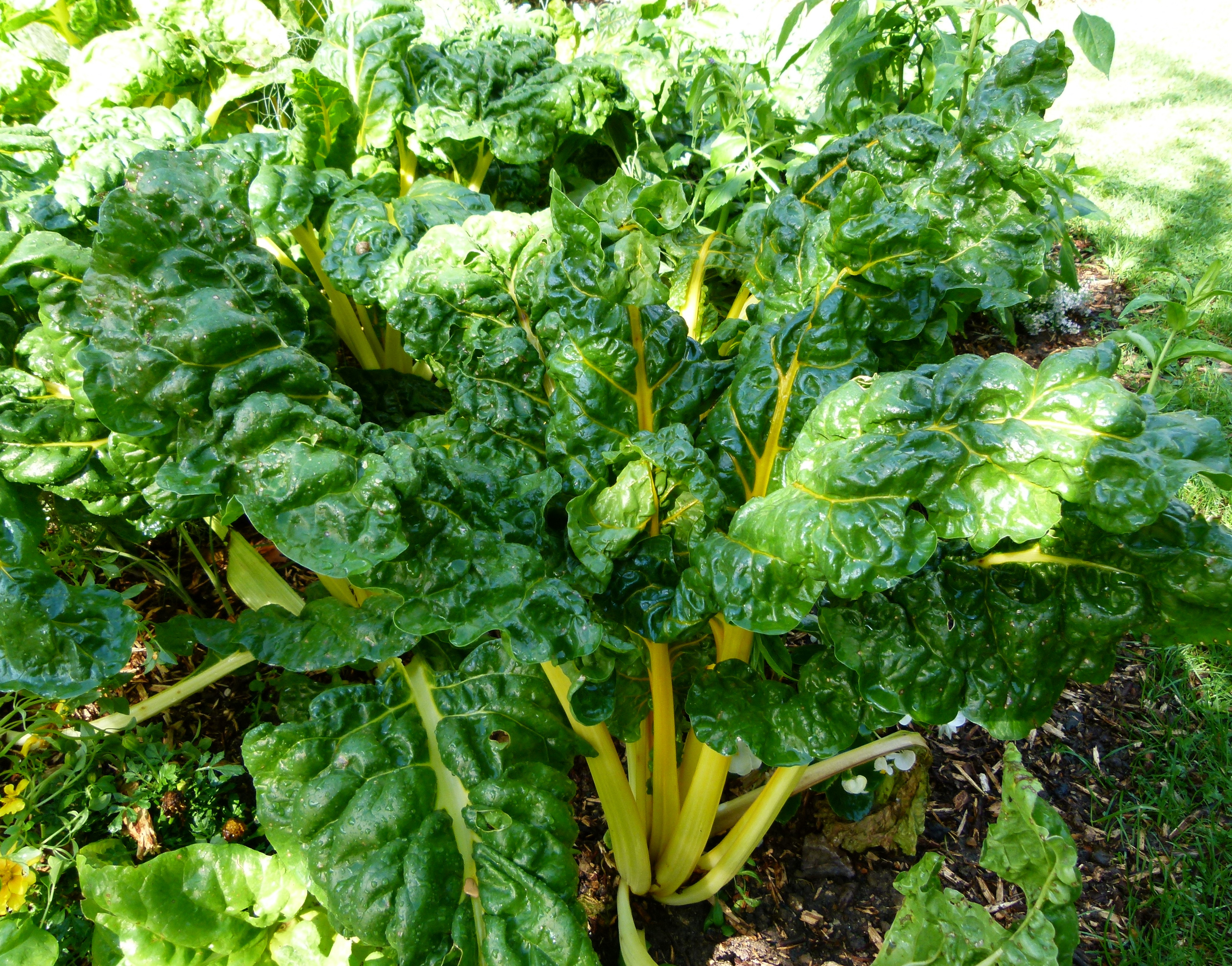
swiss chard two ways

The other night I picked the last of my Swiss chard from our garden for dinner. It's one of my favorite dark leafy green vegetables. Antioxidant rich, loaded with vitamins K, A, and C, Swiss chard also provides a healthy dose of magnesium. Often when we eat it I make a simple sauteed greens. This time, however, I wanted to do something different and came up with these two recipes, using the entire leaf. 

Although most people throw out the stems, they are delicious and can be cooked a variety of ways. These are the two recipes I created using all of the Swiss chard. I can't wait to plant more and enjoy this again.

Braised Carrots and Swiss Chard Stems

½ onion, diced
8 carrots, sliced into ½ inch pieces
Stems from Swiss chard, cut into ½ inch pieces
2 tablespoons butter
¼ cup water
Sea salt and fresh ground pepper to taste

In a large pan melt butter
Saute onions until starting to turn golden color
Add carrots and Swiss chard stems
Stir to coat with butter
Add water and bring to a boil
Reduce heat and cover
Cook until carrots are tender (about 15 minutes)
Add salt and pepper to taste


Creamed Swiss Chard

Large bunch of Swiss chard
½ cup boiling water
½ onion, diced
1 clove garlic, pressed
2 tablespoons butter
½ cup organic sour cream
 ½ cup organic whole milk
sea salt and fresh ground nutmeg to taste

Trim stems from Swiss chard
Cut leaves into 1” pieces
Wilt in boiling water until limp
In a large saucepan melt butter
Saute onions and garlic until onions start to turn golden color
Whisk sour cream and milk together
Pour over onions and heat until just starting to bubble
Add wilted Swiss chard leaves
Bring to a boil, stirring frequently
Reduce heat to just under boiling
Cook 5-7 minutes until sauce thickens slightly
Add sea salt and fresh ground nutmeg to taste


photo: Dinkum

Wednesday, July 11, 2012

three bean salad

This is a guest post by my Aunt Haya who recently shared a very sweet story about food, connections and memories.  I love food stories.  I like hearing where food came from, how it's changed, and the associations we make with our food; those moments that join us together.  I agree with my Aunt that in this over stimulated fast paced world it's nice to have these kinds of connections to make us stop a moment and reflect on the various ways that our food comes into our lives. I also love how so many recipes, when shared, keep the name of the person who gifted them to us.

This evening my congregation will be hosting a group of 32 members of a congregation in Maryland who are on a 10 day tour of Israel with their Rabbi. After many guided tours to historical sites they are looking forward to sitting and talking with folks who live here. I have been asked to contribute my three bean salad to the meal.   I am always glad to make and share it.  While assembling the ingredients I stopped to think about it's entry into our lives.  


Nowadays, three bean salad is well known all over the US and multiple variations are on the web. But while living in Houston (in the late 1960s), my husband and I made sure that each of us would have some private time each week, with each of our children.  On one such outing I went with our son Daniel to attend an outdoor performance of an abridged version of some Gilbert and Sullivan operetta out on a lawn of The University of Houston. I think that it was the Pirates of Penzance, but am not sure. 


I did not recognize anyone sitting near us in the audience but Daniel soon picked up a conversation with a boy near his age. I introduced myself to his mother and learned that they were in Houston for the summer while her husband, a school teacher, took summer classes at U of H, in order to eventually qualify to become a school principal in their home town somewhere I think in Arkansas or Alabama. He was often busy attending those summer program classes or working in the university library on his homework, so she and their son were exploring Houston on their own. 


I invited them to join our family picnic the next week in Herman Park on the 4th of July--speeches, fire works and all. They were glad to accept and she brought three bean salad that she'd made. We'd never tasted one before. We all enjoyed it so I asked for her recipe.   She wrote out on a piece of paper which I copied on to a file card after I returned home. I added her name Eula Ross.  We got together only once or twice more during that summer, but three bean salad became a staple in our family's favorite summer recipes; particularly as a contribution to buffets and picnics.


Here in Israel the recipe has changed somewhat. I add diced fresh rosemary needles (that I pick fresh from the shrubs) to the chopped parsley in the original recipe and often use chickpeas for the third bean. 


Today I found that I needed to purchase more chickpeas so used red beans as I have no red onion and wanted to add color other than the chopped sweet red pepper to the salad.  I use less sugar in the dressing that Eula Ross recommended and the minimum quantity of oil.  But each time I prepare this dish, whether or not I check the details on the old file card or fly free with improvisations, I think a special thanks to Eula Ross where ever she is now. 


I am sharing this story with you because in this day and age of instant communication, information from people whom one never meets, an entire rainbow of recipes for any dish for which one could possible conceive of hankering, this older, slower, deeper time of meeting a stranger who became an acquaintance and shared her recipe and it's evolution to fit my current location and dietary preferences, pleases me a great deal.

Eula Ross' Three Bean Salad

2 cups each green string beans, yellow string beans, red beans or pinto beans,
2 stalks of celery cut into cubed shape pieces
1/2 red union diced 
1 cup chopped fresh parsley 
1/2 cup chopped bell peppers 
1/2 cup vinegar 
1/3 cup sugar 
1/4 to 1/2 cup oil 
1 1/2 teaspoons salt
1/4 teaspoon fresh ground black pepper 


Whisk the five dressing ingredients together and pour over the vegetables. 
Mix together cover and chill in fridge. 
Keeps for 10 days 
Aunt Haya's changes: 


1 Tablespoon of chopped fresh rosemary to the parsley 
I used frozen cut yellow and green beans which I steam over boiling water just until they thaw, so that they are still a bit crisp
I sometimes substitute chick peas for the red or pinto beans - I soak which ever of the three that I use over night, then cook them myself, drain them before adding to the salad. (I find commercial canned beans of all three types, over cooked (too soft) and too salty) 
I use only 1 teaspoon of salt
About 1/3 cup of oil
reduce the amount of sugar
I like to use apple cider vinegar

Saturday, June 30, 2012

make do bullet blender


Recently I was wasting time researching ideas for food preparations on Pinterest and came across a posting that mentioned using regular mouth canning jars as a personal bullet blender device.  According to the pin/link that mentioned it the mouth of a regular pint jar happens to fit the blender blade base which then fits into the blender and can be used to make personal smoothies.

I already own a blender and am not interested in buying another appliance for my kitchen.  But there are times when it would be great to be able to make individual smoothies without having to clean the blender in between each recipe.

This morning, after mulling it over for a bit, I decided to give it a try.  I figured the worst thing that would happen is that it wouldn't work and I would have to dump it all into the blender and start from scratch.

To make this morning's smoothie I put the following ingredients into a regular mouth pint canning jar:  Greek style yogurt, organic strawberries, washed and quartered, fresh ground flax seed, greens powder, coconut oil, and a splash of almond milk to make sure there was enough liquid.  I put the blade base on the jar and it fit very well, placed the whole thing on the blender and hit the button.

I didn't measure very well as I wasn't sure how it would work but it seemed to have come out okay.   The hardest part was trying to carefully undo the jar and blade base from the without undoing the jar and spilling the contents all over the blender.

It turns out this works very well and I anticipate more personal smoothies in our future.

Friday, March 30, 2012

bugs in your frappucino?

cochineal bugs | photo: Zyance
Starbucks has recently come under fire by vegetarians.  It turns out their strawberry flavored drinks have been changed.  They're using a new ingredient...cochineal extract.  That picture on the left is cochineal bugs.  They're used to make food coloring. Only pregnant females are used; their outer casings are crushed and  processed into food dye, producing a deep red color.

Also referred to as carmine, this  coloring agent has been known to cause severe allergies including urticaria and asthma.  There have also been reported cases of anaphylaxis.

Because it is made from bugs, it is considered a natural food substance and some companies use it in place of petro-chemically derived artificial colors.  Also because it is made from bugs, vegetarians do not eat cochineal.  And I believe this ingredient is considered non-kosher.   However it is appearing in a wider and wider range of foods including yogurts, ice cream, candies, and some beverages.  Cochineal is also finding it's way into cosmetics as a coloring agent.

While I know there are many cultures that eat bugs as part of their diet, they are high in protein, research has not shown that these other edible bugs carry the same allergic potential as the cochineal bug.  I also find it very irresponsible for Starbucks, which advertises that it can made vegetarian friendly drinks, would change it's ingredients without notifying it's consumers.  Even those who are not vegetarian may prefer not to ingest this substance.  And why cochineal in the first place?  There are fruit and vegetable based sources for red coloring such as beets or raspberries which could have been used instead.

Don't want to eat bugs?  Another good reason to read the label.

Monday, March 12, 2012

on my mind monday 3.12.12

newspaper | photo: mconnors
It's never the same two weeks in a row.  This is my snapshot of what I find interesting.  Information about health, nutrition, and/or holistic living.  Here's what's on my mind.


Well, it's Monday.  For growing numbers of people that means it's Meatless Monday.  Choosing to eat a meatless meal one day a week can have a positive environmental impact.  The Environmental Working Group has produced a brochure called Meat Eaters Guide To Climate Change and Health. It raises some interesting points including the fact that uneaten meat is responsible for 20% of greenhouse gases.  That ties in pretty heavily to Jonathan Bloom's latest column about not wasting meat.  Definitely something to think about when you're planning dinner.

Pi Day is coming.  For the geeks among us it's a fun celebration.  3.14159 is as far as I remember the value of Pi.  So this Wednesday, celebrate and have some pie.  I'm not sure what kind I'm going to make yet but I do know I'm going to be using my newfound perfect piecrust recipe.  Remember, it doesn't have to be sweet to be a pie, savory pies count too.

Ag Gag Rules - Apparently Iowa would rather consumers not know what really goes on in commercial agricultural operations.  They've just passed a bill, about to be signed into law by the Governor, that will allow for stiff punishment for anyone attempting to film operations without the owners permission.  Given the many videos that have come out of such efforts which show inhumane and in some cases barbaric treatment of these animals I can understand why the industry doesn't want them filmed.  It makes them look bad.  What I don't understand is why there is no big push to stop this behavior.  Instead of hiding it in the dark so consumers can see it, I believe our food system should be openly viewed by all so that consumers can understand where their food comes from and how it is produced.

Meat Nutrition Labeling - turns out that last week the USDA's required meat nutrition labeling started.  I suppose it's not a bad thing to have labels on the meat letting folks know how much is a serving and what the nutrition breakdown is.  But this label isn't complete.  In my opinion it would be better if it also let you know how the animal was raised.  What it was fed.  How much antibiotics were given to the animal during it's lifetime.  How much hormone?  These are all important factors that affect the quality of the meat but, more importantly, the health of the animal; ultimately that translates to your health.

Edible Packaging - Being touted as a possible way to reduce or eliminate plastic waste I think this has the potential to be a good idea.  Some of the challenges as I see it:  (a) are you really going to want to eat off the shelf edible containers after they've sat in the dust and been handled by who knows how many people?  (b) what exactly is the edible substance made from?  I'm not convinced that it won't be another suspicious food waste product disguised as GRAS  (c) will people really eat it?  I suppose if they don't the hope is that it will be biodegradable and break down more fully.


Tony Geraci is on a mission to reform school food and create a model that school cafeteria's all across the country can follow. Can't wait to see this film.

Wednesday, February 15, 2012

cauliflower in the garden

I'm very fortunate to live in an area where we have an extended growing season.  While I miss certain crops that need cold weather to grow well (like currants) I'm loving the veggies that come out of my garden.

This lovely picture is the purple cauliflower that is currently growing in the garden.  It's delicious and tastes just like the white cauliflower that we are all used to.  The purple color comes from anthocyanins, a highly active antioxidant.

As a cruciferous vegetable cauliflower is, of course, high in fiber.  It also provides excellent levels of vitamin C, K, and folate.  It's delicious steamed, baked, roasted, and can even be eaten raw.

The tastiness doesn't stop with the florets.  Those lovely leaves are also edible.  I often use them as a green vegetable in stir fry or sauteed with onions and garlic.  A friend of mine recently told me that he used his in place of kale to make cauliflower chips and they were delicious.  I love kale chips and so I'm going to have to try that with this batch of greens.

Wednesday, February 1, 2012

mediterranean rice salad

Recently I went to a party and I needed to bring a dish to share.  The food theme of the evening was Mediterranean.  Wanting to make something fresh and different (and more than just the typical hummus and pita or a Greek salad) I rummaged around in my pantry and put together this amazingly delicious rice salad.  One of the great things about this dish is that it makes use of fresh vegetables and fresh herbs.  I love salads like this, often preferring them the next day after the flavors have had a chance to meld and blend.

It was a big hit at the party and my family was rather disappointed that I didn't bring home more leftovers. I got two thumbs up from the kids (my personal taste testers) and they told me that I should definitely make it again.

Mediterranean Rice Salad

1 cup cherry tomatoes, quartered
1 red sweet bell pepper seeded and diced
4 spring onions, diced
3 ribs celery, diced
1 cup assorted olives, diced
1/4 cup sun dried tomatoes in oil, drained and diced
1/2 cup pine nuts
1 bunch parsley, de-stemmed* and minced
1tablespoon minced basil leaves
4 cups cooked basmati rice
2 tablespoons olive oil
1 tablespoon red wine vinegar
sea salt and fresh ground pepper to taste

Mix all ingredients together, toss well, let sit 2-3 hours for flavors to develop.

Delicious!

*When I de-stem herbs like parsley or cilantro I've learned a little trick that makes it very easy:

Leave the herbs bound together, wash well to clean and shake dry
Holding the stems use a chef's knife and chop at the leaves in a short brisk fashion moving down the stems
Rotate the stems and repeat on another side until all sides have been shaved
Remove band holding the stems together
Throw the stems in your compost bin
Pile chopped leaves together and mince

It probably took longer to write that than it takes to do it.  Once you do this you'll wonder why you ever de-stemmed leafy herbs any other way.

Friday, December 30, 2011

joy bauer's food cures


Joy Bauer's Food Cures has been revised and updated; I was fortunate enough to have a copy recently come across my desk.

As those of you reading my blog know, I am a huge proponent of food and it's ability to help support a healthy body.  We are what we eat; eating whole food and practicing wholesome nutrition goes a long way toward supporting our bodies and in dealing with health issues.

Broken down into several easy to understand categories this book covers the basics of understanding nutrition as well as how to, as Joy puts it, "think like a nutritionist."  She offers information about how to lose weight and support healthy skin and hair.

Speaking of hair, did you know the average person loses about 100 hairs each day?  It turns out that since hair is made from protein if we don't get enough we can actually cause the rate of new hair growth to slow down.  In the book Joy points out that hair is a good way to determine overall health and highlights which vitamins (and which foods contain those vitamins) are supportive for healthy hair and nails (which are made from the same hardened keratin protein as hair).  Offering more in-depth health and nutrition support, the book also delves into conditions such as cardiovascular disease, diabetes, migraines, IBS and more.

The book is easy-to-read and laid out with step-by-step encouragement and support to help the reader reach their goals for health.  The book is also sprinkled with lots of call-out boxes which cover the highlights and answer questions that the reader may have.  She includes stories and examples throughout the book which is helpful.  In addition to providing the necessary information to help the reader better understand the basics of their condition and how to best support their body each chapter has a 4-Step Program which reminds the reader of the basics, provides a grocery list, offers some additional suggestions, and then also offers meal plans with some delicious looking recipes.  Her Citrus Smooth-See recipe on page 272 is delicious as is the Vegetable Oatmeal Bisque on page 322.  And the Parmesan Couscous and Ratatouille with Olives, Tomatoes and Fresh Basil on pages 383 (listed below) is a new family favorite.

Joy Bauer's Food Cures provides what you need to know about healthy eating and whole food nutrition.  It also gives you information to help you understand how to make those healthy changes.

Parmesan Couscous and Ratatouille With Olives, Tomatoes, and Fresh Basil
Makes 3 servings (1 1/2 cups ratatouille and 1 1/2 cups coucous per serving

Ratatouille

1/2 pound kale, stems trimmed, thinly sliced
Kosher salt
1 tablespoon olive oil
1 large yellow squash, cut into small cubes (about 2 cups)
2 medium tomatoes, diced
1/4 cups kalamata or nicoise olives (7 or 8) pitted and chopped
Pinch of ground red papper
1/4 cup whole basil leaves torn

Couscous

1 cup whole wheat couscous
1 cup sugar snap peas, chopped
1 1/4 cups low sodium chicken or vegetable broth, heated
1/2 cup grated Parmesan cheese
Kosher salt
Ground black pepper

To make the ratatouille:
Heat a deep saute pan over high heat
Add the kale, a sprinkle of salt, and 3/4 cup water
Cook, stirring occasionally for 13-15 minutes or until softened
If the kale becomes too dry add more water
Stir in the oil, squash, tomatoes, olives, and red pepper
Cook for 5-6 minutes or until the squash is tender and the tomatoes lose their shape
Remove from the heat and stir in the basil
Set aside

To make the couscous:
In a medium bowl, mix the couscous and sugar snap peas
Pour the hot broth on top, stir at once and cover with aluminum foil
Allow the couscous to rest for 5-6 minutes or until all the water is absorbed and the couscous is soft and fluffy
Fold the cheese into the couscous and season with salt and black pepper

To serve:
Spoon the couscous onto a plate or bowl and serve the ratatouille on top

To learn more about Joy and the concept of food cures visit her website.

Disclosure: cmp.ly/1, cmp.ly/5

Friday, December 2, 2011

curried cauliflower

cauliflower | photo: jeltovski
In my part of the world cauliflower is in season.  Yummy cauliflower, it's so easy and versatile to prepare in a number of different ways.

One of the things that always seems to surprise people is that you can use the green leafy bits too, not just the white florets.  The greens make a great vegetable to go along with your cooked cauliflower.

In the summer I often roast the greens right along with the florets.  Drizzled with a fruity olive oil, some sea salt and fresh ground pepper they are truly fabulous.

But now that we're heading into colder weather I'm not roasting vegetables as much, preferring different cooking methods.  At this time our year with cauliflower I often like to curry it.  The flavors of curry go well with the cauliflower and greens.  Over a bed of rice with some protein on the side it's a very satisfying dinner.

Curried Cauliflower

generous pinch of mustard seeds
2 tablespoons olive oil
1 onion minced
1 clove garlic minced
1 cauliflower cut into florets
cauliflower greens cut into bite size pieces
1 teaspoon of curry powder
1/4 cup water
salt to taste
1/4 cup chopped cilantro

Heat olive oil in the pan
Add mustard seeds and cook until they just start to pop
Turn heat to medium
Add onions and saute until starting to soften
Add garlic and saute one minute more
Add curry powder and stir well
Add cauliflower, greens and water
Reduce heat to low, cover and cook 8-10 minutes until cauliflower is tender
Season with salt and cilantro

For another delicious cauliflower recipe sign up for my newsletter.

Monday, November 7, 2011

gluten free lemon muffins

lemons | photo: Fir0002/Flagstaffotos
I needed to make something to bring to an event that I was attending recently.  Knowing that the hostess was sensitive to gluten and dairy I wanted to make sure that I made something that fit her nutritional plan.  Casting around for ideas I spied a pile of fresh lemons that I had recently purchased (they were on sale) in the fruit bowl.

I love lemon muffins, they are so tasty and yet,  I'm not sure why,  they don't often make an appearance.  I wanted my muffins to have a little crunch to them so I decided to add some millet which would give a slight pop when eaten.  I started with coconut oil and sucanat (no dairy means no butter), added a couple of eggs and the zest of one lemon.  While I was at it I juiced the lemon, strained the juice, put it in a measuring cup and then added almond milk (again no dairy) so that it would curdle and thicken a little.  I then began to add the dry ingredients.  After adding the curdled milk I tasted the mixture and decided it needed just a pinch more sweetener.

I made this in mini-muffin tins and got three dozen.  They were well received at the event, all of them were eaten and I even got requests for the recipe.

I often play with a recipe multiple times before it's ready for prime time, but this one seemed to come together really well so I'm sharing it as is.  Enjoy.

Lemon Millet Muffins

1/2 cup coconut oil
1 cup sucanat
1/2 cup evaporated cane juice crystals
1 lemon
2 eggs
1/2 cup almond milk, approximately
1 cup gluten free flour mix (I used oat, rice, buckwheat, tapioca)
1/4 cup fresh ground flax seeds
1/4 cup (heaping) millet seeds
1 teaspoon baking soda
1/2 teaspoon sea salt

Preheat oven to 350 F
Grease three mini-muffin pans (or one regular muffin pan)
Zest the lemon
Juice the lemon and put juice into a measuring cup
Add almond milk until there is 2/3 cup liquid
Beat together coconut oil and sugars until fully combined
Add eggs, one at a time until well mixed
Add lemon zest, baking soda, and the salt
Alternate adding flour and curdled milk, making sure they are well mixed
Spoon by tablespoonfuls into muffin cups
Bake 15 minutes
Let cool 2 minutes in the pan
Finish cooling on a wire rack

Saturday, October 29, 2011

pc curried rice and beans

pressure cooker curried chickpeas and rice
I have a confession to make.  I've always been a little afraid of pressure cookers.  When I was growing up my mother didn't use one.  By the time I was exposed to them as a young adult the concept seemed a little scary.

Fast forward many years....my friend Emily at The Kindred Kitchen recently had me over for dinner.  She made an amazing dinner in her pressure cooker.  She was so confident, so calm, and it was all so delicious!  I was hooked and got my own.

When I talked to my mother about it she told me that her mother, my Grandma Katzy, had used a pressure cooker when she was growing up.  I asked my mother why she never used one.  She replied by sharing a story about my Nana, my father's mother, involving a pressure cooker.  Apparently in the middle of cooking dinner with the pressure cooker something went wrong and the lid blew off.  There was so much force involved that the lid embedded itself in the ceiling of Nana's apartment.  One can only imagine the horror and disbelief ... and what the kitchen must have looked like.  Mom wasn't exactly sure how Nana managed to get the lid out of the ceiling.  That was the end of pressure cooking as far as Nana was concerned.

Needless to say it was enough to convince my mother that she did not want to use a pressure cooker.  Ever.  Not having grown up around one neither did I.  Until now.  I've been experimenting with it and have discovered that I absolutely love it; it is rapidly becoming one of my favorite kitchen appliances.  Meats and vegetables are delicious, colorful, flavorful, and oh so tender.  The real prize-winning use however is for rice and beans, of all different flavor profiles.  It is so quick, so easy, and it comes out just right.  I absolutely love my pressure cooker and owe Emily a debt of gratitude for helping me to change my mind.  This recipe is based on one that she shared with me.

PC Curried Rice and Beans

1 cup chickpeas, picked over and rinsed
1 cup brown rice
1 medium onion, diced
2 cloves garlic, minced
2 tablespoons curry powder
2 cups vegetable broth
sea salt and fresh ground pepper to taste
1/2 cup chopped cilantro

In the morning set the chickpeas to soak in a pot of hot water

In the evening assemble your meal:

Drain and rinse the chickpeas
Heat the olive oil in the pressure cooker
Saute the onions and garlic for a few minutes until soft
Add the curry powder and stir for a moment
Add the rice and stir until the rice is coated
Add the broth, chickpeas, salt and pepper

Lock the lid in place and bring to high pressure
Reduce the heat but still maintain high pressure
Cook for 9 minutes and remove from heat
Let pressure drop naturally for another 5 minutes
Quick release and then remove the lid

Stir in the chopped cilantro and serve

Note:  This was very tasty but needed a little something more. I think next time I will add some diced tomatoes and perhaps a little more spice.  I'll keep you posted.

Sunday, September 25, 2011

persimmon raisin muffins

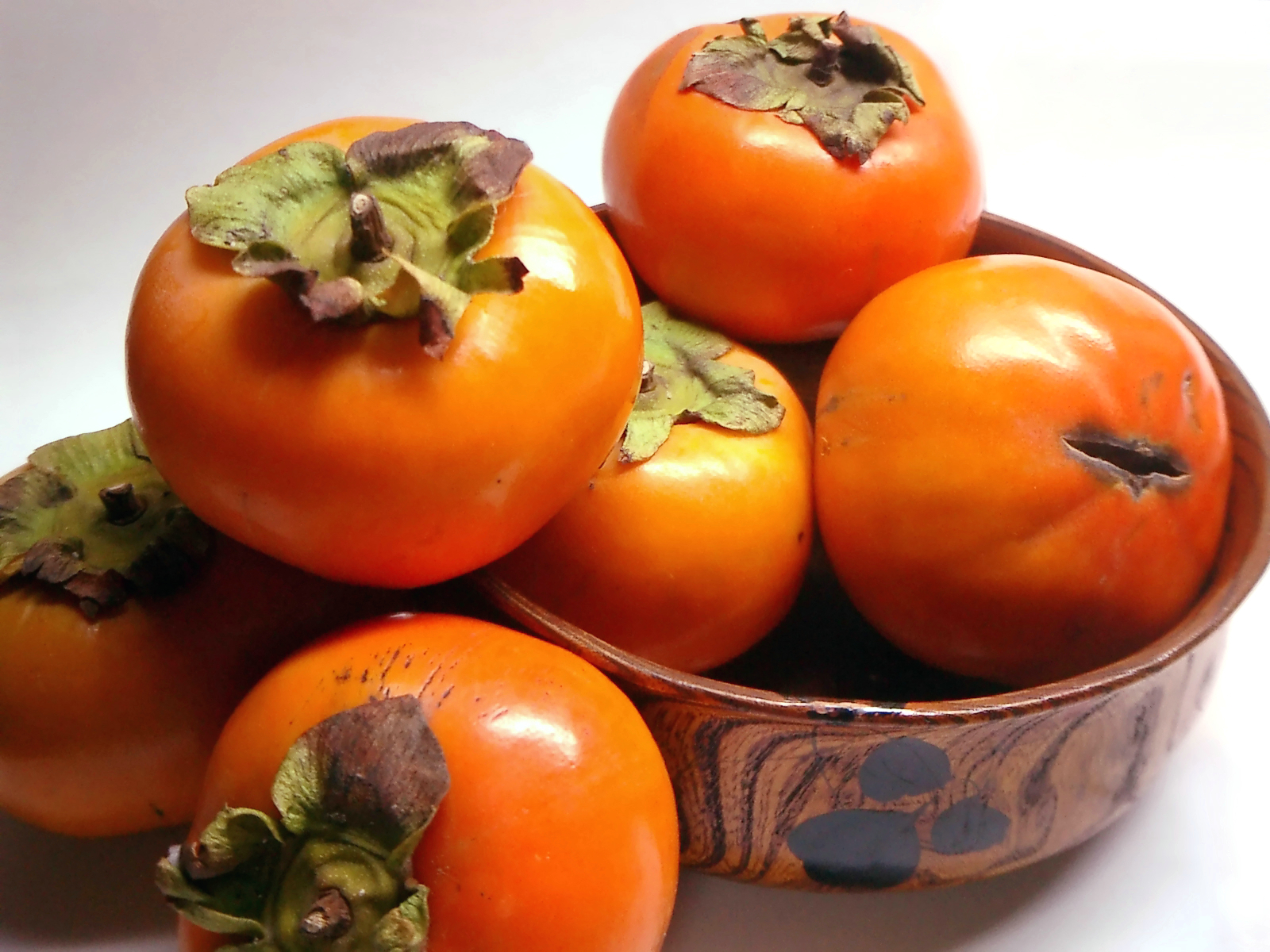
Persimmons | photo: Tomomarusan
It's persimmon season.  I love these tasty little fruits, with their rich fragrant scent and amazing flavor.  Luckily for me there is a pick your own place not too far away.  Each year I go and pick pounds and pounds of them.  I eat as many as I can before they get so ripe and so soft that they are in danger of sliding out of the fruit bowl and off the counter.  They have to be pretty soft before they are ripe enough to eat so this window is pretty small.

When I get to this point I turn the rest into pulp to store in the freezer.  This allows me to make cakes, cookies, and other persimmon delights for as long as the supply lasts. Apparently you can make jam from persimmons but I somehow never seem to get around to doing that.  I'm also not sure if I would use it as I'm currently the only one in the house who likes persimmons.

One of my favorite things to bake with persimmons are these muffins.  They're a great treat with a rich dark flavor that is so reminiscent of the crisp fall weather.  I'm sure they would freeze well but somehow they've never lasted long enough for me to test that theory.

Persimmon Raisin Muffins

3 cups white whole wheat flour
1 teaspoon cinnamon
1/2 teaspoon nutmeg
1 teaspoon baking soda
½ teaspoon baking powder
1 teaspoon sea salt
1 cup persimmon pulp
1 egg
1 cup sucanat
1 tablespoon vanilla
1 cup raisins
1 cup chopped pecans

Preheat oven to 375°F
Grease loaf pans
Sift together flour, cinnamon, nutmeg, baking soda, baking powder and salt
In a separate bowl beat egg, add persimmon pulp and sucanat
Add vanilla, raisins and pecans
Add sifted ingredients and mix well
Spoon into greased muffin tins
Bake 15 minutes or until tops spring back when tapped
Remove from oven and cool in tins 3-4 minutes before moving to wire rack
Finish cooling on wire rack

Thursday, September 8, 2011

forbidden rice salad

forbidden rice salad
For tonight's dinner I've made an assortment of salads to serve with burgers for a refreshing, tasty, quick dinner.  I love salads because they're a great way to get variety into your diet and can go with almost anything.  Of course I don't mean the typical green tossed salad.  I'm talking salads with a little oomph and lot of tasty ingredients.

This picture on the left is the forbidden rice salad we'll be having, along with a fruit salad and a savoy slaw, with dinner tonight.  I love forbidden rice.

A black rice with a rich delicious flavor this is a whole grain and provides an antioxidant punch.  It provides a particular antioxidant called anthocyanin (which is also found in blueberries and blackberries) believed to help prevent inflammation, diabetes, and reduce or limit cancer-caused DNA damage.  Regardless of the health effects of the antioxidant properties there is no disputing the fact that this is a tasty way to add more whole grains to your diet.

Forbidden Rice Salad

1 cup black rice
1 3/4 cup water
1/2 teaspoon sea salt
1/3 cup pine nuts
1 large carrot
1 rib celery leaves included
1 red bell pepper
3 spring onions
1 cup edamame
1 tablespoon olive oil
2 tablespoons walnut oil
1 tablespoon water
1 teaspoon dijon mustard
sea salt and pepper

put rice, water and salt into a pot and bring to just under a boil on the stovetop
cover, reduce heat and cook until rice is done 20-25 minutes

while the rice is cooking toast pine nuts in a dry pan until just starting to turn brown
remove from heat and let sit

dice the vegetables except the edamame
note:  I use the large shred on my box shredded to get large slivers of carrot rather than a dice
combine the vegetables together in a bowl
note 2:  unfortunately I discovered I am out of edamame, the recipe really is better with them in there

in a separate container whisk together the oils, vinegar, water, mustard, salt and pepper
note:  I like to use walnut oil because it compliments the nutty taste of the rice and the flavor of the pine nuts

when the rice is done uncover it, remove from heat and let it sit 10-15 minutes to cool off and to stop steaming
combine all ingredients together, toss well and refrigerate for 2-4 hours before serving

Tuesday, August 30, 2011

black bean casserole

black beans | photo: Paul Goyette
Unfortunately this got eaten before a picture was taken so no casserole picture.  [note to self:  learn to take more photographs of food]

Over on my Facebook Fan Page I posted a Meatless Monday menu of black bean casserole, roasted asparagus, spring onions, cauliflower and cauliflower greens.  It was a delicious dinner.  I received a request for the recipe and decided to post it over here at the blog.

I love oven roasting veggies, it's such a simple way to put them together and really makes fabulous leftovers.  And black beans are a great flexitarian choice; they're tasty, easy to prepare, and go well with so many different types of dishes.

Adding beans to your diet, if you don't already eat them, is such a healthy thing to do because not only are you getting protein, you're getting lots of fiber.  One cup of black beans provides 15 g. of fiber and 15 g. of protein.  A pretty good deal in my book.  Even better you're also getting a lot of B vitamins, primarily thiamin and folate, plus iron, copper, magnesium, phosphorus, potassium, and manganese.

This black bean casserole is one of my favorites because with the addition of the corn tortillas it makes a complete protein.  The original recipe that I developed calls for a generous sprinkling of shredded cheese on top however due to my new dietary restrictions I am avoiding cheese.  I've discovered that the rice cheeses and other "fake" cheeses are just too unpleasant for my palate, both in taste and texture so I've been feeding what I bought to the dogs (who are thrilled) and just leave out the cheese altogether.  But if you're a cheese fan and can eat it, use about 3/4 C.

Being where we are in the growing season at the moment with tomatoes so very expensive (and my garden burned to a crisp due to drought) I've turned to my favorite Pomi Chopped Tomatoes which come in a box rather than a can so there is no BPA.  When tomatoes are in season and not hideously expensive I definitely prefer them and use about four in this recipe.

Black Bean Casserole

2 T. olive oil
1 large red onion chopped small
2 cloves garlic minced (more if you like lots of garlic)
2 ribs celery chopped small
1/2 of a 26 oz box of chopped tomatoes
2 cups cooked black beans
1 t. cumin
6 medium size corn tortillas cut or ripped in half
2 T. minced cilantro
1 T. lime juice
2 spring onions chopped
sea salt and pepper to taste
hot sauce (optional)

Preheat oven to 350 F
Lightly grease a medium round pie dish
In a pan heat olive oil, saute onion until wilted
Add celery and garlic and saute until celery is wilted
Add black beans, tomatoes, and cumin, cook until heated through
Remove from heat and add salt and pepper to taste

In pie pan layer 4 corn tortilla halves with 1/3 black bean mixture
(the top layer is where the cheese goes if you're using it)
Repeat layers ending with bean mixture
Cover and bake 30 minutes
Remove from oven, sprinkle with spring onions, cilantro and lime juice

Note:  when tomatoes are in season and I use fresh I often top this with some chopped tomato


Thursday, August 4, 2011

continuing to learn

As I move forward with my new nutritional plan I am struck by the realization that it's not easy to make one meal that satisfies everyone in my household.  With one vegetarian, one emerging flexitarian, and one committed omnivore meals are a little more challenging.

Because my choices are limited by my rotation diet I am having to think and plan ahead more so that I can make multi-stage meals that can be finished off or enhanced for the other members of the family who do not need to avoid dairy, etc.  Quite honestly I haven't really gotten the hang of it yet and it's definitely an eye-opener.

I hadn't thought that it would be so difficult.  After all over the years I have managed various different dietary needs folded into what was once a household of five.  Low fat, low cholesterol, low carb, various different dietary plans all rotated through our house before I became a Nutrition Educator and learned more about whole foods and eating according to the needs of your body rather than a one-size-fits-all dietary plan.  Obviously through my training and work I have come to see clearly how we are all bio-individual and one-size does not fit all.  I'm feeling a little humbled as I learn to juggle this new nutritional state of affairs.

On the other hand I'm feeling fairly good about the dietary change.  I did try a few bites of chicken, and the next day my stomach wasn't too happy, I am taking it slowly and plan to start introducing some broths into my diet as well.  And I'm reasonably content with what I am eating the rest of the time.  It turns out (at least a few days in) that I don't miss dairy as much as I thought I would.  The biggest challenge at the moment is to remember what day of the rotation I am on and to plan meals.  For example, today is corn for my grain and black beans for my protein.  So we're having taco bar.  That's easy I can set everything out buffet style and folks can help themselves.  But I do need to think ahead if anything, like beans, needs to be soaked or otherwise prepared.

It's a learning adventure and one that I realize will help me have a deeper understanding of what I suggest for some clients.  As I mentioned in my last post, I've written a lot of Rotation Plans, but I've never followed one myself.  It's one thing to comprehend it and entirely something else to understand it.

Tuesday, August 2, 2011

walking the walk

I love what I do, how I am able to help people learn to eat well so they can be well.  I also work hard to take care of my own health through nutrition and other means.  I feel like I am in good shape and know that I have come so very far since the health care crisis of 2003 that lead me to this career.

Part of my changes, way back when, was the adoption of a vegetarian diet.  I was diagnosed with Ulcerative Colitis after more than ten years of misdiagnosis as IBS.  The Nutritionist suggested that I consider eating a vegetarian diet for three months to allow my gut to heal.  I felt so good on the vegetarian diet that I didn't look back.  I was able to eat a balanced diet and to learn how to stay healthy with this eating pattern.  This is something that many many people do.  According to a 2008 study by Vegetarian Times over 7 million Americans follow a vegetarian diet.  More than half of them do so for health reasons.

I know that some people try vegetarian diets but ultimately wind up becoming carbotarians instead.  Thinking that because they are not eating meat that means they should eat lots of pasta and other simple carbohydrates.  Being a vegetarian isn't difficult but it does require thinking about your protein and fats and, oh yeah, you do need to eat vegetables.  Many, if not most, carbotarians eventually wind up going back to eating meat because they get so sick by not supporting the needs of their body.

I'm confident in my knowledge as a Nutrition Educator, I've helped lots of people feel better with learning to eat the right way for their body.  And no, that does not mean I make everyone become a vegetarian.  We work together to help you find what works best for your bio-individual body and then we go from there to build a nutritional plan.  I have always said that I was a vegetarian because it best met my body needs and my focus is to eat in harmony with my body.  I've also been fond of pointing out that our dietary needs change throughout different cycles of our life, otherwise we would all still be drinking breast milk.

So imagine my shock when I received the results of a recent food sensitivity test (which I have never taken before) which indicated that I had some very serious food sensitivities going on.  I feel good, I look fine, I struggle a bit time-to-time but I put that down to the UC which I manage without medication.  The results of the test appear to indicate that I have a fair amount of inflammation going on in my gut and what I had been attributing to one thing was actually something quite different altogether.  I now need to make some significant changes to my diet.

The bottom line is that I am highly sensitive to dairy products (cow and goat) and eggs.  Darn.  That's a significant source of protein for me.  Considering my options I feel that it would be best for me to add lean meats back into my diet, a big change after all these years.  I've also had to write a rotation diet for myself.  I've created a number of them for clients but never imagined that I would wind up doing this for myself.  I hadn't realized how comfortable I'd become with my vegetarian diet, my inclination when reaching for breakfast is eggs, my idea of a great snack is a yogurt parfait with fresh fruit.  Because I am committed to my health and my body I know that for at least the next three to six months those are no longer part of my diet.  I am hopeful that by avoiding them and doing an intestinal repair and recolonizing program I will be able to at least add them back in on a rotation basis when this is all done.

In the meantime I am reminded on so many different levels how the only thing that is constant is change.

Thursday, July 28, 2011

small batch cookie

Every now and then the urge for a cookie hits me.  I don't buy them because most of them are loaded with ingredients that I don't need or want in my pantry.  But baking a batch of cookies is overwhelming because most of them make at least two dozen and having that many cookies in the house is too much of a temptation.

At the library I saw the book Small Batch Baking.  It looked really interesting so I checked it out and realized that this is a great way to satisfy that sugar urge without overdoing it.  Most of the recipes make just enough for dessert.  No more dozens of cookies or huge cakes waiting in ambush in the kitchen.  This is a wonderful option when that sugar urge hits without having to have all those leftovers.

The other day I was in the mood for a cookie; I changed a few of the ingredients to make a vegan, gluten-free small batch of chocolate chip cookies based on the recipe from Small Batch Baking.  I reduced the sugar because I didn't want anything too sweet, just a hint of sugar to satisfy that craving.

The recipe needs a little refinement as the cookies ran more than I liked so they were flatter/thinner than I wanted.  I prefer a chocolate chip cookie that is a little thicker and gooier and these were more crispy.  Feel free to try it and see what you think.

Small Batch VGF Chocolate Chippers


2 T. plus 2 t. coconut oil (this is probably what made them spread so much)
3 T. evaporated cane juice crystals
2 T. ground flax seed
2 T. water
1/4 t. vanilla
1/4 C. plus 2 T. GF flour
1/4 t. baking soda
generous pinch sea salt
1/4 C. dark chocolate chips

preheat oven to 375 F
cream coconut oil and sucanat together
mix flax seed, water and vanilla together
add to coconut oil and sucanat
mix together dry ingredients and add to wet mixture
add chocolate chips and blend well

drop by tablespoonful onto greased cookie sheet
makes 6 cookies

Thursday, June 30, 2011

blueberry bliss

I recently went blueberry picking with a friend.  We went to our local blueberry orchard, Moorhead's Blueberry Farm.  The owner, Sid, told us that his dad started the place 35 years ago and he worked there every summer as a kid.  Now he owns it and works there every day during the season.  They don't use chemical pesticides or fertilizers which is a plus in my book.*

These bushes were fabulous!  Over six feet tall and loaded with berries.  In just 30 short minutes I managed to pick two and a half pounds of plump delicious berries.  As I was picking I was hearing parents with small children scattered throughout the field.  I laughed to myself as I remembered blueberry picking with my girls when they were little.  The three of them were more interested in eating the berries.  They would pick for a while, eating as they picked, and then when they were tired of picking they would come raid my blueberry bucket for handfuls of sweet berries.  Quite frankly I never managed to pick enough to satisfy three hungry tummies and have some for home.  I often had to go back without them in order to have a reasonable amount of berries.

I consider blueberries super-fruits, very high in antioxidants they are one of the few native American fruits.  I've written about some of their health benefits in the past.  New research appears to show that higher consumption of blueberries may be helpful in warding off conditions such as Alzheimers and Parkinson's as well as improving general cognitive function in aging adults.

Whatever their health benefits, no one can deny that they taste wonderful.  After my husband and teenaged daughter plundered the batch I brought home I had just enough left to make a gluten free blueberry coffee cake.  Obviously I'm going to have to go back for more....I guess some things never change.

Gluten Free Blueberry Coffee Cake

Preheat oven to 350 F
grease and flour a 9 x 9 baking pan

1 C. buckwheat flour
1 C. gluten free oat flour
1 C. evaporated cane juice crystals
1 t. baking powder
1/2 t. sea salt
1/4 t. baking soda
1 C. blueberries
1 C. chocolate chips
4 T. butter, cold
1/2 C. Greek yogurt
1/2 C. unsweetened almond milk
1 large egg
1 t. pure vanilla extract

topping:

1/2 C. gluten free rolled oats
1 t. cinnamon
1/2 C. evaporated cane juice crystals
1/4 c. chopped walnuts
1 t. pure vanilla extract


Mix together all of the dried ingredients
Shred butter into flour mixture using the large side of a box grater
Mix butter into the flour mixture with your hands until the mixture resembles coarse crumbs
Add blueberries and chocolate chips and toss well to coat
In a separate bowl mix together yogurt, almond milk, egg, and extract, blend well
Pour liquid ingredients into dry ingredients and quickly blend together, do not overmix the batter
In a separate bowl mix together topping ingredients
Spread topping evenly on the coffee cake
Bake for 25-30 minutes until the top of the coffee cake springs back lightly when tapped
Remove from oven and cool
Serve warm or room temperature


*Sid did share that he uses roundup for weed control (obviously not on the blueberries) because it is  a short-lived weed killer.  I'm hopeful that he will consider switching to something else like vinegar which is shown to be effective.