Showing posts with label nuts. Show all posts

Thursday, December 20, 2012

the peanut butter issue

The FDA is out to lunch - with yet another case of food poisoning in the news it's clear that those charged with keeping our food supply safe are not doing their job.  The scariest part of this is that in the face of budgetary cuts there are talks of allowing food producers more leeway to self-monitor.  This is putting the fox in charge of the hen house.  If true sanctions and consequences were put into place there might be more attention paid to the safety of the food products.

Fortunately that is happening in at least one situation.  Sunland Inc, the company responsible for manufacturing salmonella-laden peanut butter in the recent outbreak has been closed.  Articles that I have seen indicate that the company was surprised by this move and thought they would be able to re-open by the end of the year.  But after reading the conditions there and the continual disregard for food safety it is good to know that they will not be allowed to continue until they can prove (not just say but prove via inspection) that they have cleaned up their act.  I hope this trend of requiring manufacturers to truly be responsible, and not just say they're following the rules, continues.

And salmonella isn't the only thing found in peanut butter.  Although this article is two years old it mentions rat feces.  I was not able to find specific mention of rat feces allowed in peanut butter (assuming that is part of what the FDA lists as "objectionable matter contributed by rodents") but did find mention of rodent hairs at 1 or more per 100 grams of product being considered an "aesthetic" (their word not mine) defect and possibly actionable.  Also found in peanut butter?  Neurotoxic chemicals.  Peanuts are a highly pesticide residue contaminated crop; this makes choosing organic an important factor for those who choose to eat peanuts and peanut products.

I found it interesting to note that the article also did a side by side taste-test comparison of various peanut butters.  All of them were jarred, most had oil residue floating on the top, and sounded very unappealing from both a taste and visual perspective.  While the article didn't list the ingredients I'm sure that most of them have added fat (thus the extra oil floating at the top), sugar, and salt.  None of which is really needed for peanut butter.

At my local grocery store there is a grind-your-own peanut butter machine.  At $3.99 per pound for organic, unsalted peanuts they sell a relatively creamy, good tasting, fresh smelling product.  Of course there is no way to know if anything has gotten into the peanuts in the machine; this means trusting the grocery store to clean it thoroughly on a regular and frequent basis.

It turns out peanut butter used to be considered a health food and was actually only sold regionally.  Over time this has changed and we now ship the stuff all over the world.  Except for the grind-your-own variety of course.

Over the years peanut butter has increasingly gotten a bad rap, primarily due to allergies.  It's a popular legume though and that makes it difficult to tell people that they should avoid peanuts.  That bad rap, however, is not undeserved.  Part of the health challenge is that peanuts are a highly inflammatory legume.  They also tend to be high in carcinogenic aflatoxins and are frequently contaminated by the aspergillis fungus.  Additionally many health issues, from migraines to candida overgrowth to intestinal disorders are negatively impacted by consumption of peanuts and peanut products.  So while we consider them delicious they should be severely reduced or eliminated from the diet.

For those who can have nuts a healthier choice might be almonds, and almond butter, which is the most alkaline of nuts and has a much lower allergenic profile.


Want to know what's really in your food?  
Connect with The Pantry Principle to learn more.

photo: penarc

Thursday, November 22, 2012

national cashew day

This November celebrates a rather “nutty” day, the National Cashew Day. While we’re all preoccupied with Thanksgiving planning and holiday preparations, this November 22 takes a moment to celebrate this rather tasty and very special ingredient to many of today’s recipes.

While cashews were once considered to be native to Northeast Brazil, they are said to have found their roots in ancient Africa. Grown for both the cashew seed, what we call the nut, and it's outer coating, the cashew apple (haven’t seen many of these, but they apparently contain five times the vitamin C of the average orange), it is now grown throughout tropical climates, some of the prime sources being the Philippines and Nigeria.  Although less common that other tree nuts or peanuts, some people do have a serious allergic reaction to cashews.

The nut alone isn’t what it’s all about. There is far more to cashews than we think. In some countries, the juice of the cashew nut is a very popular drink, offering plenty of essential nutrients and often considered as a wholesome part of the diet. For medicinal purposes, cashews are renowned for their ability to ward off tooth infections due to the compounds naturally found in them. Parts of the cashew plants are even utilized as a medicinal aid for snake bites (such as the deadly cobra).

So, who decided that November 22 was going to be National Cashew day? Well, no one really knows.  It is believed that this tasty nut has been celebrated as far back as the 16th century.  Over the years, because of its integrity to so many different dishes found worldwide, the cashew gained fame amongst chefs and became a valued item, often appearing in restaurant specials. As its popularity improved during the fall season in America, November was designated a prime time for cashew flavored additions to dishes and today, November 22 has been designated as its celebrated day.

While most often available either salted or chocolate covered, cashews are so tasty that they stand up well on their own in a raw format.  This is the healthiest way to eat them as a mid-day or evening snack to keep your guests preoccupied while they converse with one another. We also find them in trail mixes, a great way to keep us company while traveling on the road.

However, cashews are found in far more places than just our daytime snack packs. When it comes to preparing vegetarian recipes, the cashew has a unique place on the ingredient list. In Kerala cuisine, the cashew is a vital ingredient in the dish known as Avial, which is a thick mixture of vegetables, curd, and coconut as well. Broccoli with garlic butter and cashew is also a very prominent and tasty dish, regardless of preference. Another favored recipe is Coconut Red Lentils with spinach, cashew, and lime, which makes for an amazingly healthy dish that anyone would enjoy. Additionally, cashews are an appetizing ingredient to many sauces, especially for chicken and turkey recipes. Sauces are often thickened by use of flour or other starchy alternatives, but if you’re searching for a new flavor or want to improve the nutritional value of your meal, consider some meaty dishes that utilize the healthy cashew as a saucy alternative. This holiday season, don’t neglect to introduce this fantastically delicious and amazingly healthy nut into your mealtime recipes.

Mark Gomez is owner and operator of Gomez Catering. Gomez Catering which specializes in providing full service, off-premise catering and party planning. With an emphasis on quality, customer service, and style we can help you with any size event but we believe there are no limitations when it comes to food. What lies in your imagination is our goal to create and bring to life.

photo: Midori

Wednesday, October 3, 2012

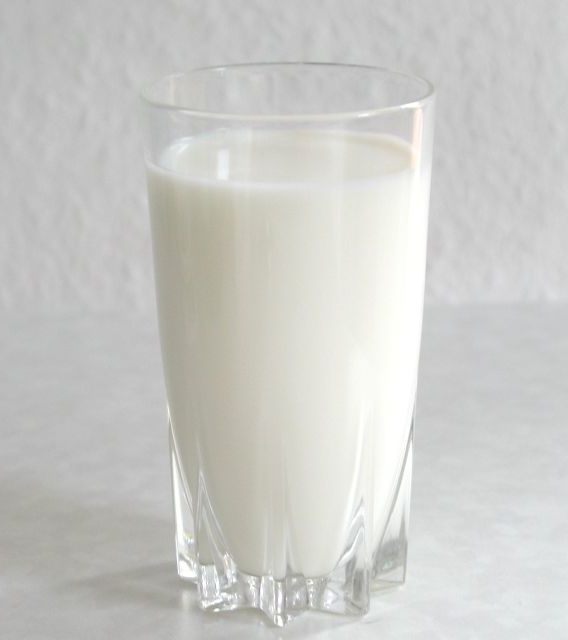
but i need milk for calcium, don't i?

I have some clients who need to avoid dairy products.  Invariably when they find this out their first question is "Don't I have to drink milk to get calcium?" or "But how will I get my calcium?"

Calcium is important in the diet, not only for healthy bones and teeth, but also to support nerve and muscle health as well as for blood clotting.  However it doesn't just come from cows (or goats or sheep or camels or any other milk giving mammal).

Most people think calcium is synonymous with milk.  They've been so sold by the Milk Producers Federation that they feel they've gotta "get milk."  However, milk, and other dairy products, are not the only way to add calcium to the diet.

For those who can't drink milk there are alternatives such as almond, soy, oat, hemp, and rice.  And while the calcium and protein content of alternative milks vary (and is mostly added) it's important to remember that there are ways to get calcium without drinking milk, eating other dairy products, or drinking alternative milks.

As a means of comparison, whole milk provides 110 mg of calcium per 100 gram serving.

Other sources of calcium include:

sesame seeds - 989 mg per 100 g
sardines - 382 mg per 100 g
almonds - 266 mg per 100 g
flax seeds - 255 mg per 100 g
turnip greens - 190 mg per 100 g
brazil nuts - 160 mg per 100 g
collard greens - 140 mg per 100 g
spinach - 99 mg per 100 g


photo: Stefan Kühn

Saturday, October 22, 2011

national nut day

mixed nuts | photo: melchoir
Nuts are a great heart healthy food.  They shouldn't need a special day, October 22, for you to consider adding them to your diet.  It goes without saying that raw nuts are best for you as the roasting process may make them tastier but the oils may not be the best and the heat destroys some of the nutrients.  If you want to boost the nutrition you can do this by soaking them.  This breaks down some of the enzymes making the nutrition more bioavailable.

Nuts are highly antioxidant and heart healthy.  There is even some evidence that eating nuts can be healthy for maintaining weight.  They can be added to salads, cooked dishes, eaten as a snack, sprinkled into breakfast cereal, there are any number of ways to eat them.

Different nuts have different nutrients making it a good idea to snack on a variety rather than just one or two.  I find that a quick and easy trail mix is 3 parts nuts, 2 parts seeds, 1 part dried fruit.  Mixing different nuts and seeds gives you a tasty treat and a nutritional boost.

For those who really want to know:

Acorns - highest in manganese
Almonds - highest in manganese and vitamin E
Beechnuts - highest in manganese
Brazil nuts - extremely high in selenium, also a great source of manganese, phosphorus, and magnesium
Cashews - highest in copper, but also a good source of magnesium and tryptophan
Chestnuts - (Eurpean) highest in manganese
Hazelnuts - (also called filberts) very high in vitamin E and a good source of B vitamins
Hickory nuts - very high in selenium, also high in magnesium, thiamin, and copper
Macadamia nuts - very high in selenium and thiamin, also high in copper and magnesium
Peanuts - not a nut, they're actually a legume, a good source of manganese and tryptophan
Pecans - very high in manganese, also high in copper and thiamin
Pistachio - very high in B6, a good source of manganese, copper, phosphorus and thiamin
Walnuts - very high in omega 3 fatty acids and a great source of manganese

Sunday, January 9, 2011

superfoods trending down

According to a news article I read recently superfoods are trending down.  Not all superfoods, just the ones that have been the media darlings, acai, goji berries and the like.  I actually like this trend because as I wrote previously (back in 2008 I might add) we don't need to import superfoods.  We would do better to utilize those that are readily available.  It's more sustainable, eco-friendly, and also easier on your wallet.

So what are these superfoods that we should be more aware of (and eat more often)?

Berries- with lots of fiber and antioxidants they're great and easy to add to the diet in cereal, yogurt, salads, plain, anytime.

Eggs - high in protein (1 egg provides 6 g) with lutein and zeaxanthin (good for your eyes) they're versatile and satisfying.

Nuts - raw, unsalted are the best.  Providing monosaturated fats they are a great heart-healthy choice.  Add them to foods such as cereals or baked good or take some along for a healthy nutrition boosting snack.

Broccoli - yes, it is a super food.  With an amazing nutritional punch it provides not only fiber and a wide range of vitamins, but it also has sulforaphane which is a potent cancer fighting detoxifier.

Beans - with a hefty dose of fiber and iron beans are just an all around good for you food.  Soups, stews, and dips are a great way to add them to your meals.

Beta-carotenes - okay so this isn't a food but rather a group of foods.  Found in orange foods (think sweet potatoes, winter squashes, carrots, etc) and dark leafy greens (the chlorophyll hides the color) like kale, spinach, collards and more betacarotene is a powerful antioxidant that support immune system health, reproductive health, and it's very good for your eyes.

So while imported superfoods may be trending down I'm rooting for an overall upward trend in the concept of super foods.

Friday, December 17, 2010

crock pot nuts

Mixed Nuts | Melchoir | Wikimedia Commons
Previously I had posted some delicious snack mix recipes for the crock pot. I wanted to share another great use for your crock pot, seasoned nuts.  At this time of year a lot of nuts are available in the grocery store fairly inexpensively.  Making seasoned nuts is easy, tasty, and extremely versatile.  They can even make great gifts when packaged in a cute jar with a bow or fabric top.


I love nuts as a snack.  They're high in protein and although they're also high in fat unsaturated making them heart healthy. I like to use raw nuts and soak them.  They also have lots of micronutrients, different ones for different nuts.  


Soaking the nuts will help break down the enzymes that protect them from germinating too early.  Breaking down these enzymes will make the nutrients more available.  How long you soak nuts depends on what type they are.  You can use this soaking/sprouting chart that I found online as a reference.  To soak nuts I prefer to add 1 T. of an acidic medium to the soaking water, usually liquid whey left over from making homemade Greek yogurt, but in a pinch lemon juice will do.


You do need to dry the nuts after soaking before you make these recipes.  You can either use a dehydrator or cook them on low (200 F) in your oven.  When they are completely dry they are ready to eat as is or spice them up a bit.


Crock Pot Roasted Nuts


4 c. raw soaked nuts
1/2 C. melted organic butter
seasonings


Cook on low for 2-3 hours, stirring every 30 minutes, with the lid off
When done turn off the crock pot and let the mixture cool completely in the crock before jarring up


How you season them is up to you.  I have a couple of mixes that I like but feel free to go ahead and make up your own.


1 T. Penzey's taco seasoning + 1/2 t. hot sauce or 1 t. red pepper flakes


1 T. tamari sauce + 1/2 t. garlic powder + 1/4 t. sea salt


1 T. curry powder + 1/2 t. ground cinnamon


1 T. sucanat + 2 t. ground cinnamon + 1/4 t. nutmeg


2 t. vanilla + 2 t. sucanat + 1/2 t. pumpkin pie spice


Friday, March 12, 2010

chocolate granola

Today we have a special treat as my friend Christine shares her chocolate granola recipe. I've always loved granola because it's a quick healthy breakfast, a great snack; it's also quick and easy to make. One of the other great things about granola is how it can be changed around to suit individual tastes. The idea of making it in a crockpot, is a big “wow” because it doesn't get any easier than that.

Christine shared the following thoughts with me, “
A friend had told me a little about using dark chocolate. Apparently, it contains 'good' fats, that our bodies need to digest properly. I began to think about the other good fats I've been trying to feed my family, coconut, olive oil, and nuts, etc. Chocolate granola sounded like a good breakfast food. I knew from prior experience that a little coconut oil at breakfast helped me control my appetite. I found a basic recipe and substituted some things and added a few. It smelled wonderful - kind of like chocolate potporri all day. When all seven of us like something, its a keeper! This one will be a regular breakfast item for our family.”

With the addition of ground flax and coconut oil this recipe provides some great fatty acids (flax seeds have omega-3 while coconut oil has medium-chain fatty acids). These healthy fats help provide saiety, or fullness, which means it helps fill you up. Dark chocolate and cocoa provide antioxidants, especially epicatechin (found also in green tea) which protect against cardiovascular disease.

Here's Christine's recipe, as she says it's a big hit with her family, I'm sure it will be for yours as well.

Chocolate Granola
Mix in crock pot:

7 C. organic old fashioned oats
1/2 C. ground flax
1/4 C. organic brown sugar
1/2 C. shredded coconut
Pinch of sea salt
½ C. raw honey
2 T. maple syrup
¼ C. coconut oil
2 T. cocoa powder

Mix well and heat on low all day, stir once in while.

After slightly browned (4-6 hours on low) stir in:
½ C. 70% chocolate or darker, finely chopped
1 C. chopped almonds & walnuts

Cool completely then store in an airtight container

Chocolate granola photo courtesy of Christine Michael Gibson

Friday, October 23, 2009

almond delights

My friend Cindi, who also grinds her own flour, has been experimenting with different kinds of cookies. Her kids have been in love with my Sunshine Cookies since they were first introduced to them when Cindi took one of my classes a couple of years ago. Looking to expand their cookie repertoire a little she's been playing around with different, healthier, combinations of ingredients. I think this one is a keeper since she writes, "My son who doesn't really like cookies, except for your sunshine cookies, ate about 4 of them in one sitting." She notes that these cookies come out very moist like a marzipan cookie.

This is her first "official" Cindi recipe and I'm just thrilled that she's allowing me to share it with you here. These sound absolutely fabulous and I can't wait to make up a batch of almond flour and try them.

Cindi's Almond Delights
2 cups almond flour
3/4 cups evap. cane juice crystals
3/4 stick of unsalted butter
1/2 tsp salt
1 tsp vanilla extract
1 tsp almond extract
1 egg

blend softened butter for a minute or two
add all the other ingredients and mix well
roll into balls and press with a fork
bake at 300 degrees for about 25-30 minutes; cookies will not brown
to decorate, top with sliced almonds or drizzled or dip in dark chocolate

Enjoy!

delicious looking photo - Cindi H.

Friday, July 3, 2009

cookies and a question

My friend Helene recently shared a wonderful gluten-free cookie recipe with me. She said it was so fabulous that she was going to have to freeze the cookies, otherwise she was afraid she might eat them all. Frozen cookies have never stopped me, sometimes they are even better that way.

Helene's Coconut Almond Cookies:

1 c. coconut Flour
1 1/2 c. Almond Meal
1/2 tsp salt
1/2 c. butter
1/4 c. honey
1 Tbsp Almond Extract

Mix the dough together in a cuisinart until a ball forms
Freeze dough for approximately 30 mins
Preheat oven to 350 deg F
Roll dough between two sheets of was paper
Cut cookies using a cookie or biscuit cutter
Bake for 7 mins, remove to wire rack to cool

While we were talking Helene also asked if there were any eggs in shortbread.
The answer is no. Shortbread is a particular type of cookie that has a 1-2-3 recipe. One part sweetener (usually sugar), two parts butter (or other shortening), three parts flour (although old-fashioned shortbread was and is made with oats) and then enhanced with flavorings and or spices. The "short" refers to the crumbly dough. Fat retards gluten so even if you used wheat flour, the high amount of fat would prevent the dough from forming long gluten strands.

Shortbread cookies are typically baked low and slow so they will be very light in color. They can be formed in long rectangles, also called fingers, large circles which are cut into triangles as soon as they are removed from the oven, or small round biscuits. Although most people think of them as Christmas cookies, shortbread can also be made savory (such as this Parmesan Shortbread from Epicurious).

picture courtesy of commons.wikimedia.org/wiki/File:Shortbread_fingers.jpg

Sunday, June 21, 2009

pesto


My friend Tracy recently mentioned that she is growing basil in her back yard garden and would like to eventually make pesto. Pesto is a delicious way to add flavor to a wide number of dishes, it's not just for pasta. It can be used for a fabulous sandwich spread for tomato or tomato and mozzarella sandwiches. It's wonderful to use on chicken and thinned down it is a great dressing for a cold bean salad.

Basil (Ocimum basilicum) is an annual herb with a very strong flavor; originally from Asia it is now most common in Italian cuisine.  Basil comes in a number of different "flavors" so in additional the  sweet basil that we are used to you can also get cinnamon, lemon, Genovese (which has sort of a clove flavor), licorice basil and a wide number of others.  Basil is a very useful herb with high levels of vitamin K as well as calcium, iron and vitamin A.  If you plan to grow it all summer to harvest in the fall for pesto you can increase your yield by pinching the flower stems.  This will prevent the flowers and seeds from forming and keeps the essential oils from drying up.

This is my favorite recipe for pesto:

2 C. fresh basil leaves, washed and destemmed
2 cloves garlic
1/2 C. parmesan cheese
1/2 C. pine nuts
1/2 C. olive oil

place all ingredients into a food processor
turn the food processor on and begin to add in olive oil until mixture is smooth
add salt to taste

Note: you can make different types of pesto by using parsley or red peppers instead of basil, using walnuts instead of pine nuts and changing the parmesan for romano cheese.  Experiment and find out what your favorite flavor is.

Be well.

photo courtesy of freedigitalphotos.net

Wednesday, June 10, 2009

great granola

The kitchen is fragrant with the smells of baking granola right now. Steve and the kids like to eat it as a bowl of cereal, I prefer it as a garnish on top of a bowl of yogurt and fruit, as an added treat to a bowl of muesli, or as a crumb topping for making muffins. One of the reasons that I like to make my own granola is because I can control the flavor and the sweetness; I also believe I save money by making my own.

Bear Naked Apple Cinnamon Granola is $4.85 for approximately 3 cups, Kashi Mountain Medley Granola is $4.56 for approximately 3.5 cups and my homemade version comes out at around $3.65 for 6 cups. Because I want less sugar in my granola it is admittedly less crunchy but we find it to be very flavorful and enjoy it a lot. Taste testings with friends and family shows that they like it too.

The most recent batch is apricot, raisin, walnut, cinnamon. The kids were very eager to "taste test" it as it came out of the oven, I had to fend them off with my mixing spoon so that it could cool properly.

Granola

preheat oven to 350F

3 T. honey
3 T. molasses
1/3 C. oil
4 C. rolled oats
1 C. nuts, chopped
1 C. dried fruit
1/4 C. flax seed, ground
1 t. vanilla
spices, optional (cinnamon, nutmeg, ginger, etc)

In a small pot on the stove mix honey, molasses and oil
Heat until just starting to bubble, stirring to mix well
Place oats in a large ovenproof dish
Pour liquid mixture over oats and stir well to coat evenly
Bake for 10 minutes
Remove from oven, stir well, add nuts and return to oven
Bake for 10 minutes
Remove from oven, stir well, add dried fruit and return to oven
Bake for 10 minutes
Remove from oven, stir well, add flax seeds, vanilla and any spices if desired
Let cool completely before storing in a container

Enjoy

Tuesday, April 28, 2009

happy but sad

Happy, yes I am, mostly because I am sitting here eating this delicious muffin.  Sad, yup, that too, because I'm not sure I'll be able to replicate it.

It's raining here today...for the third day in a row.  Big bolts of lightning, huge crashes of thunder and a torrential downpour.  Enough to make me decide that I needed some muffins and a cup of tea to cheer myself up.

Not sure what kind of muffin I wanted I decided to rummage and see what we had. Leftover flours in the freezer, millet, corn, oat and wheat yielded just enough flour to feel "muffin-y."  I had some applesauce, a few raisins, some pecans, mixed those together with a couple of glugs of oil, an egg, cinnamon, vanilla, baking powder, baking soda, salt and voila!  It tastes scrumptious.  I just wish I had remembered to measure before I started throwing things into the bowl.

But the important thing to remember here is to be creative with your food.  If you have a little of this, a little of that try it, you'll never know but you may find a new favorite.  If you start with good ingredients you'll usually end up with a pretty successful result.  I think part of what makes this creation so successful is that it is basically a cinnamon raisin muffin with pecans but the balance of the different flours is what makes it special.  A previous family favorite of greens and beans was also a "smattering" recipe it came about because I had a lot of little bits of leftovers.

To the best of my remembering (in other words guesstimating amounts) here is the recipe:

3 C. flour (from assorted grains)
1 C. applesauce
1/3 C. oil
3/4 C. sucanat
1 t. vanilla
2 t. cinnamon
1/2 C. pecans - crushed
1 C. raisins
1 t. baking soda
1/2 t. baking powder
1 t. salt
1 egg

mix all ingredients together
spoon into greased muffin tin
bake 375 F for 15-18 minutes
rest 2 minutes in tin before transferring to a wire rack to cool

Enjoy!

PS My friend Mary who stopped by for tea tells me that these are "Yum yum yum!" hope you enjoy them too

Tuesday, April 14, 2009

national pecan day

Today is National Pecan Day.  Pecans are one of my favorite nuts.  Although they are very hard to crack they are certainly worth the effort.  Pecans have sweet, tender nutmeats that are very tasty.

Pecans (Carya illinoinensis) are a species of hickory tree that is native to the south-central region of the United States of America. The name Pecan comes from an Algonquin word that means a nut requiring a stone to crack. Although they are native to North America they have been imported and are now grown commercially in Australia, Brazil, China, Israel, Mexico, Peru and South Africa. A pecan tree can bear fruit for up to 300 years.

There has been a lot of interest in pecans and their healthy profile; they add fiber to your diet as well as providing vitamins B and C, iron, calcium, potassium, magnesium, and phosphorous.  Pecans are also a good source of monosaturated fats (the same kind of beneficial fat that is found in olive oil).  

According to studies from Loma Linda University and Texas A&M University, "a heart-healthy diet...is more effective in lowering cholesterol when pecans are added - even though the pecans added more total fat to the diet. And study participants did not gain weight on the pecan diet. This confirms that it is the type of fat in the diet (i.e. the monounsaturated and polyunsaturated fat in pecans) that is more important to heart health than total fat intake. These studies showed that the addition of pecans to a heart healthy diet decreased the levels of "bad" LDL cholesterol...and helped maintain desirable levels of "good" HDL cholesterol."

The National Cholesterol Education program states, "For every 1% reduction in LDL cholesterol, there is a 1.5% reduction in incidence of coronary heart disease. Thus, the pecan diets in the Loma Linda and Texas A&M studies would correspond with a 25% decreased risk of heart disease."

Of course the best way to eat them is to start with raw nuts.  Pecans are very versatile and can be added to a wide variety of baked goods, they go well in salads, can be used in pilaf-type recipes, or can be spiced and flavored to be eaten as a snack.

However you use them, just remember to store them properly.  Pecans need to be kept in dry, clean, airtight containers.  Out of the shell they will last at room temperature up to two months or refrigerated up to one year and frozen up to two years.  Because they are a low-moisture nut pecans can be refrozen several times without losing quality.

Eat well, be well. 
 
photo courtesy of: commons.wikimedia.org/wiki/File:2_pecan_nuts.jpg
information source: http://plantanswers.tamu.edu/recipes/pecanrecipes/healthstudies.html and http://www.royaltypecans.com/nutrition.htm and http://en.wikipedia.org/wiki/Pecan