Showing posts sorted by date for query plastic. Sort by relevance Show all posts

Monday, January 28, 2013

on my mind monday 01.28.13

It's never the same two weeks in a row.  A collection of what I find interesting in the world of food, nutrition, and holistic health.  Here's what's on my mind.

Aspirin use linked to macular degeneration - While not definitive, it appears that there may be some connection between regular levels of aspirin use and macular degeneration.  
The first thing that comes to mind is why there would be a high need for aspirin use in the first place.  Second would be to nutritionally support ocular health. Lutein and zeaxanthin are both recognized as antioxidants that appear to reduce the risk of certain eye diseases including age-related macular degeneration (AMD) but I believe would also be supportive for overall ocular health. These carotenoids can be found in dark leafy greens such as kale, spinach, and collard greens as well as in eggs. Vitamin C is another antioxidant that is good for your eyes; it can slow the progress of loss of visual acuity as well as AMD Vitamin C is available in fruits and vegetables especially red bell peppers, broccoli, cauliflower, strawberries, citrus fruits, tomatoes and dark leafy greens. Zinc, a trace mineral, is also important as it helps to create melanin, a protective pigment; it can be found in spinach, sea vegetables, basil, thyme, and pumpkin seeds.

Eating hot foods off melamine plates may increase risk of kidney stones - Yes, those melamine plates and bowls may be cute, but, as with any plastic-type material, when they are exposed to hot foods some of the substance can migrate into the food.  And once it's in the food, if you eat it, it's in you.  Of course styrofoam is one of the worst offenders but how many of us remember to take our own to go boxes to the restaurant with us?  I'm trying to get better at this.  And I have gotten rid of all non-glass or ceramic dishware.  Well, except the sentimental pieces such as the bowl my daughter made in second grade.  But I am careful not to use them for hot things.  And I keep, little by little, chipping away at the amount of plastic that comes into contact with my food.  Now to just remember to bring those glass containers to the restaurant....

Ramen bowl iPhone doc - I'm not a huge fan of this product.  One I'm guessing it's made from melamine (see the article above).  Two, this kind of product encourages people to be more focused on their phone.  It's a proven fact that if we are engaged in another activity when eating, such as watching television, or in this case, being on the phone, we tend to eat more.  We are not mindful about what we are eating nor are we nourishing ourselves properly.  We're distracted and less aware of what and how much we are eating.  This product isn't available yet but I hope it doesn't come to market too soon.

Technology fasting - This is a great idea.  A few years ago I had heard of the concept of news fasting.  Taking a break from the overwhelmingly negative news feed that occupies us and is more and more readily available.  It stresses us out, but somehow we can't seem to help ourselves.  But by taking a break we de-stress, just a little bit.  Now is the idea of a technology fast.  I admit this is a hard concept as I find myself regularly interacting with technology.  But I'm planning to give it a try.  To take an entire day where I spend no time on the computer and plan to only use my phone for phone calls.  I'm willing to bet that, just as with a news fast, a technology fast is going to feel pretty good.


Don't forget to "like" Grains&More
on Facebook to stay on top of news you can use.

photo: mconnors

Thursday, January 24, 2013

8 tips to prevent food waste


 This video about food waste from the BBC highlights just how much food is wasted in developed countries. Some of it is due to confusion about labeling but much of it is due to carelessness. Food has become so cheap that we don't value it and discard it easily.

This is balanced by the unfortunate sadness of obesity, too many people consuming too much food (and often the wrong kinds of foods but that's a topic for another day).  So while I don't encourage polishing off your plate if you have eaten enough, I also don't encourage throwing away large amounts of food.

Given the high number of people who don't have enough to eat in the premier nations, let alone the rest of the world, this is a major issue. If we continue to think there's not enough food we continue to pave the way for GMO foods.  And as we've seen, increased use of GMOs causes increased use of pesticides not the decrease that was initially promised.  GMO also appears to be causing a huge increase in Irritable Bowel Disorders as it destroys intestinal flora.

So what are we to do about food waste?  How do we address this issue and stop the senseless destruction of massive amounts of food.  Food which took many man-hours to grow, nurture, harvest, transport, produce, and provide?  Food which someone had to work hard to earn the money to pay for it.  Food which might have provided a meal to someone in need.

One is to look at our consumption habits.  If we routinely throw out certain fresh foods perhaps we're buying too much.  If we collect foods in containers, letting them turn grey and fuzzy before we throw them out, perhaps we are preparing too much.  Or perhaps we're not just packaging them attractively enough to be appealing for a second or third meal.

In our house we've implemented a few of the following strategies to help reduce food waste.

  • Shop more frequently:  I know this is a pain in the rear.  However, while I have a fully stocked pantry of staple products, I find I do better when I shop 2-3 times per week for fresh items buying only what I need for the next couple of days.  This requires menu planning and making it a habit to not impulse buy. 
  • Only buy what you will use:  This can be a challenging habit to implement.  Oftentimes we purchase because it's on sale.  Or we think 'I've always wanted to make that.'  Perhaps we say to ourselves 'I think I just saw a recipe for that.'  And if we don't get to that item, it winds up in the trash.  If we only buy what we know we will use there will be much less waste.
  • Plan for leftovers:  With only three people in the house, all on varying schedules, I have had to change my cooking habits.  When I cook a whole chicken, for example, I already know the meals that will be the result of that meal, having several recipes that call for cooked chicken.
  • Scaling back:  No longer cooking for five people on a daily basis I have learned to scale back family favorite recipes or to know that half of the meal will be stored in the freezer for a later meal.
  • Sharing purchases:  I've been building a network of friends with whom I can share larger purchases.  For example, 10 pounds of onions is much less expensive than purchasing them either on a per pound basis or in a three pound bag.  However unless I'm planning on making frequent batches of onion soup I can't go through it all quickly enough.  If I share with one or two friends we all get the benefit of the less expensive price and there is bound to be less waste.
  • Attractive use of leftovers:  (That sounds rather silly but I couldn't think of a better way to phrase it).  Using wide mouth pint jars to make a meal-in-a-jar from leftovers somehow seems much more attractive to people than looking at a collection of plastic containers where you have to open and peer at each one to decide which one(s) you want to eat.  This food saving tip also includes learning to make a composed plate with perhaps one new food (usually a quick saute of some kind) and arranging everything well on the plate.  If you put the same attention into arranging a plate of leftovers as you do a plate of fresh cooked food, people will respond positively.  If you plop it wherever on the plate and just lump it there, they are less enthused about the meal.
  • Rummage cooking:  I'd love to see a t.v. show on this concept (rather than the immensely stocked everything-you-could-imagine pantries) and it's one that takes a bit of practice.  This is where I notice that the refrigerator is getting full.  I look at the ingredients and begin to plan what I can make for a menu using up those last bits.  I'll confess that in the beginning it was usually a soup or stew.  But as I learned to put flavor profiles together we began to have more varied meals.  While not all of them are successful as a "menu" they are all tasty and a great way to prevent waste.
  • Serve smaller portions:  It's always better to go back for seconds than to have too much on the plate.  Studies have shown that we eat more than we think if we have larger portions in front of us.
I'd love to hear your tips and tricks for preventing food waste.  What habits have you learned?  Email me or share below.

Friday, December 28, 2012

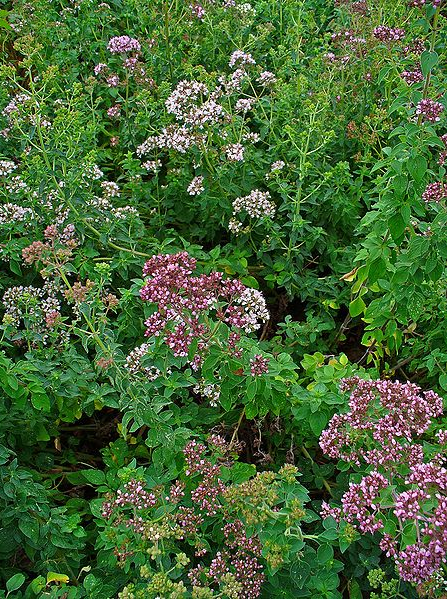
cooking with oregano

Oregano is a flavorful, highly anti-oxidant, perennial herb which is used in a wide variety of cuisines including Italian, Turkish, Lebanese, Greek, and Latin American. Related to the mint familiy, it has a distinctive aroma and taste; the flavor is stronger when it is dried rather than fresh. Oregano gained popularity in the United States after World War II when returning soldiers came back with a taste for it.

If you love to create your own dishes, you will discover that oregano goes well with pizza, lamb, tomato sauces, and cruciform vegetables such as broccoli, cauliflower, and zucchini. It blends well with other herb including basil, dried onions, garlic, pepper, parsley, sage, and thyme.

Although oregano is typically dried and sold in jars at grocery stores, it can be purchased fresh or grown in a home garden. Before buying fresh oregano, ensure that it is not showing signs of wilt. Fresh oregano can be kept fresh if it is placed in a plastic bag filled with air and then put in the crisper section of your refrigerator

Mexican oregano, related to vervain, rather than mint, is a distant relative of traditional oregano.  Known also as Mexican marjoram or Mexican wild sage, it has been described by many as having a stronger flavor and somewhat sweeter taste than the common oregano.

How to Use Oregano
  • Select dried or fresh oregano; growing your own oregano is easy as the plants are hardy.
  • There are several varieties of oregano, so decide which one to use. The Italian oregano used in pizza and Italian dishes is most commonly used in American dishes. The Greek variety is often used in seafood and other dishes while the Cuban variety is often used to flavor meats, especially game.
  • Some recipes require whole leaves or crushed oregano. This however, is dependent on the preference of the chef or the other ingredients in the recipe.
  • Do not overcook oregano as this will reduce its flavor; add it to cooking as needed. 
  •  Fresh oregano can be used to flavor or season cold dishes. 
Using Fresh Oregano

When you cook with fresh oregano, you need an approach that is somewhat different from the dried herb. In addition to it's high nutrient profile, providing vitamin K, manganese, iron, and calcium, oregano also has anti-inflammatory properties.  Research suggests that oregano has properties that can relieve the symptoms associated with diabetes and metabolic syndrome.  You will need to understand how to use its fresh form to enhance your dishes and your health.

  • Fresh oregano is not as concentrated as its dried form, so measure carefully and double or triple the amount if the recipe requires dried oregano. 
  • Dried oregano is usually used when cooking sauces and roasts, but fresh oregano is best suited for seafood or sprinkled on pasta dishes. 
  • Fresh oregano can be substituted for marjoram if necessary. 
  • It is easy to overdo dried or fresh oregano. Therefore, you need to be careful how you apply this spice when you are creating your own recipes. 

Lucas Barnes writes at Plantdex.

Monday, December 17, 2012

on my mind monday 12.17.12

It's never the same two weeks in a row.  A collection of what I find interesting in the world of food, nutrition, and holistic health.  Here's what's on my mind.

Minimum age for energy drinks - While teens may be upset about it I think this is a good idea.  A better idea would be to get rid of these kinds of drinks altogether.  Banned overseas and with some reports linking these drinks to consumer deaths it is not something to take lightly.

Eat for happiness - often we think we're eating for happiness when we're actually eating for pleasure.  Sadly we're also unaware of the effect that this can have on us.  My friend Trudy Scott, Food Mood Expert and author of The Antianxiety Food Solution points out that many people with depression, anxiety, and other neurobiological disorders frequently do better when they change their diet.  Perhaps it's time we all learned to eat for happiness.

Fruit and Veggie Prescription - As the saying goes, 'Let food be thy medicine." And in D.C. providers at one health care clinic are encouraging just that, food as preventive medicine.  I love the thought that people are getting prescriptions which they can use at farmer's markets.  This will hopefully encourage them to return  on a regular basis and to being to use whole foods, fresh foods, as part of their diet.  Hopefully this program will spread across the country.  It is already possible to use Supplemental Nutrition Assistance Program (SNAP), or what used to be called food stamps, at farmer's markets.  I believe encouraging people to connect with their local farmers, rather than a fast food joint, the better off everyone will be.

Plastic Pollution - I've written before, here and here about plastic, its impact on our environment and on our health.  We've cut back tremendously on how much we use but it still surrounds us, from our toothbrushes, deodorant containers, freezer bags, and remote controls to the sewing machine, packaging on items we buy, dvd covers, and food containers.  It's very very difficult to get rid of plastic in our life.  This article showing the overwhelming amount of plastic that finds its way into the ocean it mind-boggling.  Time to get Beth Terry's book Plastic Free: How I Kicked The Plastic Habit and How You Can Too to find more ways to bump it up a notch.

Expanding the season: I was happy to see this blurb about more farmer's markets being open for a winter season.  While most people tend to think of farmer's markets as providing fresh spring and summer foods (think lettuces, tomatoes, peas, peppers, strawberries, and such) there is a whole season that has been bypassed.  Farms can, and do, also produce a bounty of fall and winter crops that are so delicious and bursting with nutrients.  Winter squashes, root crops, and citrus fruits are just a few.  If more farmer's markets are able to expand their season it means more sales for the farmer, more fresh, local food for you. It's a win for everyone.

Here's a video of an American farmer talking about his concerns about the state of farming in this country and global climate change.


In addition to the impending publication of The Pantry Principle there are some exciting developments coming up for my newsletter which will be offering some content not found here on the blog.  If you're not already signed up, now's your chance.

photo: mconnors

Monday, September 3, 2012

on my mind monday 09.03.12 - the bpa issue

Add caption
It's never the same two weeks in a row.  A collection of what I find interesting in the world of food, nutrition, and holistic health.  Here's what's on my mind.

Due to links forwarded and suggested by several readers this week has become the BPA Issue.

BPA ban in baby bottles - 41 months (nearly 3 1/2 years) after they were first asked to ban BPA the FDA has agreed to ban it in baby bottles and sippy cups.  It's better than nothing but this is a move that comes very late and doesn't go far enough.  Hopefully this is just the beginning and will pave the way for all Bisphenol products to be removed from any situations where they can come into contact with food.


Thursday, June 28, 2012

hydrating foods

fruit salad | photo: Marisa DeMeglio
The seasons have changed and those hot, summer days can cause you to sweat.  A lot.  Through sweating you wind up losing valuable hydration.  While it's important to make sure that you drink enough to stay well hydrated don't forget to look at what you're eating.  Many of the foods that are in season have a high water content and can help keep you hydrated.

Dehydration can cause a wide range of negative health effects from low blood pressure, increased heart rate, headache, or weakness to dizziness, and possibly even unconsciousness.   It is important not only to stay well hydrated but to consider the source of your hydration.  Avoid rehydrating through overconsumption of high sugar (such as soda or sports drinks), caffeinated, or alcoholic beverages.

Monday, June 25, 2012

on my mind monday 6.25.12

news | photo: mconnors
It's never the same two weeks in a row.  This is a collection of what I find interesting in the world of food, nutrition and holistic health.  Read what's on my mind.

Jumping Jacks Aren't Enough - In this excellent article by Michele Simon, author of Appetite For Profit: How the food industry undermines our health and how to fight back, she points out that the Let's Move campaign created by Mrs. Obama isn't all of the story.  Yes, moving and jumping and being more physical is important for kids (and adults too).  However diet plays a huge part. Getting proper nutrition (and nutrition education) is key to helping children to understand the connection between what they eat and their health.  Sadly the purveyor's of the worst offenders for our diet don't want consumers, especially children who could become life-long consumers, to be well educated about their choices.  Read the article, read the book and then look again at what's in your grocery cart.

All About Breasts - I've talked about breasts before, mostly in talking about breast feeding here and here, also in talking about a recently published book on nutrition and breast cancer.  Now there's another new book that's going to have to go on my reading list; Breasts: a natural and unnatural history by Florence Williams.  Breasts serve an important function when it comes to nourishing our babies and as a part of our hormonal health.  However because they are made largely of fatty tissue which tends to accumulate toxins, they can also be the repositories for our exposure to a toxic world.  Should be an interesting read.


Greener soda bottles? - no, not really.  Plastic is a problem, a big problem.  As I mentioned in an on my mind monday post a couple of weeks ago just because manufacturers stop using BPA doesn't mean they aren't using other bisphenols.  And there are all sorts of other nasties out there when it comes to plastic.  Not to mention how bad it is for the environment.  I've written quite a few posts about plastic, the stuff is everywhere.  It's hard to get rid of; I'm still working on my one-step-at-a-time effort to get rid of it.  Mostly by following Beth over at My Plastic Free Life who has a new book, Plastic Free.  I'm doing better than I was a year ago but this reminds me I need to step it up again and look for more ways to remove more plastic from my life.


Kale isn't Chikin - I am a huge fan of Bo Muller Moore and his Eat More Kale t-shirts. I asked my kids what they thought...was there any confusion between kale and chicken in their minds.  After they finally stopped laughing I explained this lawsuit to them and they were highly incredulous.  I love the fact that Bo is making the film, A Defiant Dude and am rooting for him.

Contact Me to learn how you can $ave on high quality pharmaceutical grade supplements.


disclaimer: cmp.ly/5

Monday, June 11, 2012

on my mind monday 6.11.12

news | photo: mconnors
It's never the same two weeks in a row.  A collection of what I find interesting in the world of food, nutrition, and holistic living.  Read what's on my mind.

Bloomberg's soda ban: Mayor Bloomberg in NYC has decided that one way to fight obesity is to institute a ban on sugary drinks over 16 ounces.  There are admittedly a number of problems with the legislation, such as the fact that people can still get endless refills, however the concept is sound.  Drink less sugar and your weight most likely will decrease.  The beverage industry in an effort to push back against this legislation is now claiming that science says that soda is not a contributor to obesity.  I'm not exactly sure where they are getting their facts from.  The first hit I find when doing an abstract search on "soda + obesity" brings up a study from 2001 which examined 548 ethnically diverse schoolchildren aged 11-17 and studied them for 19 months.  The study specifically found, "Consumption of sugar-sweetened drinks is associated with obesity in children."  Whether or not you agree with the idea of a ban, a tax, or self-regulation when it comes to consumption of sugary drinks there is no doubt that increased consumption does contribute to obesity.

HFCS will not be called corn sugar:  After a hue and cry from consumers and an overall decrease in the purchase of products which contain HFCS the Corn Refiners Association made a bid to try to change the name to corn sugar.  It was widely believed that this was in an effort to hide the negative health effects of the product by having it classified under a more innocuous name.  The FDA has decided not to allow the change, noting that there is a distinct difference between the concept of sugar and HFCS.

BPA-free products may still contain Bisphenols - In another case of staying one step ahead of consumer knowledge, it appears that bisphenols may not have disappeared to the extent claimed by manufacturers.  In an excellent article brought to my attention by Debra Lynn Dadd, author of Toxic Free: How to Protect Your Health and Home From The Chemicals That Are Making You Sick, we learn that there are a wide number of bisphenols, each with a different alphabetic key, Bisphenol A, Bisphenol AB, Bisphenol C, Bisphenol D, and more.  Because of the hue and cry about BPA manufacturers appear to have possibly simply switched to another Bisphenol product, most specifically Bisphenol S.  Like BPA, BPS appears to be an obesogenic product and carcinogenic and should therefore be avoided. Quite simply, plastics and food (including plastic linings in cans) just don't mix well with healthful eating.

Ch-ch-ch-chia - nope, not to be used as pets, that is slathered on clay forms so that it grows to look like hair or fur, but as an edible seed. Chia is gaining ground in the health food forums.  A nutrition powerhouse, one ounce of chia seeds provides 4 grams of protein and 11 grams of fiber, plus very healthy doses of magnesium, phosphorus, and calcium.  These tiny seeds also provide a great vegetable source of omega-3 fatty acids.  Chia seeds swell tremendously when placed into liquid, many people add them to smoothies for a quick energy burst.  Other use them for chia pudding (note-instead of the agave nectar called for in this link use honey or maple syrup).  They're easily found in many full service grocery stores or they can be purchased online.  While not inexpensive, they pack a healthy nutrition punch and are worth paying extra for.


Sleep is a major issue in our lives.  Lack of sleep is a growing problem.  Most people don't realize how much we need darkness for sleep and how our world is becoming more and more polluted with light from electric sources.  This movie, The City Dark: a search for night on a planet that never sleeps, looks at darkness, the stars, and why this relationship is, should be, so important to us.

One important reason to get enough sleep?  Turns out that junk food is more appealing when you're sleepy.  The areas of your brain that process are impacted, negatively, when you are sleep deprived.  Something to think about when you're tempted to skip a few hours of sleep.


What I'm Reading:

Food Bites: The Science of The Foods We Eat - While I do spend a rather large part of my reading time reading books that relate to food, cooking, nutrition, and holistic health, I do this because I truly enjoy it.  Some of them are weightier than others.  Some, like this one, are cute, lighthearted looks at food.  This is a series of columns written by the author Richard W. Hartel.  Based in science but explaining such puzzling issues as why chocolate forms a bloom, these easy to read short chapters are fun and informative.


Contact me to learn how you can save money on professional grade supplements.


disclaimer: cmp.ly/5

Monday, April 16, 2012

on my mind monday 4.16.12

news | photo: mconnors
It's never the same thing two weeks in a row.  This is a snapshot of what I find interest; health, nutrition, and holistic living.  Here's what's on my mind.

Fertilizers causing global warming - according to scientists at the University of California, Berkeley, there is now ample scientific evidence pointing at fertilizers as a significantly affecting the environment.  The scientists figured out how to "fingerprint" the nitrogen isotope ratio and highlight it's changes to greenhouse gases.  The study does not recommend stopping all fertilizer use, sadly, however it does recommend significantly changing how fertilizers are used in the agricultural industry.

Six reasons to switch to reusable bags - I'm a big proponent of reusable bags.  If pictures of the Trash Vortex are not enough to convince you, consider that it takes 12,000,000 barrels of oil to make the plastic bags we use in the U.S. each year.  I not only use them at the grocery store, I have started taking them into other stores as well.  While my family is not 100% plastic bag free, we are certainly far reduced from what we were and week by week we get better and better.  We've even started using reusable produce bags which are great, especially in the bulk bin section.


Another great TEDx presentation - this one focuses on how agriculture is changing the face of the planet.

Salsa - October was National Salsa Month but this is the time of year when I love to eat it the most.  Especially with "chips" made out of fresh veggies such as zucchini or yellow squash slices and sweet bell peppers.  Salsa with a splash of olive oil is also a great way to top of a delicious spring salad with some of the yummy greens that are coming into season in my area.   The link is to a previous posting where I share my delicious basic salsa recipe.

Food Book Fair 2012 - This is such a neat idea that I'm finding it hard to believe it has not happened before this.  I'm also really sad that I will not be able to go as I'm sure it's going to be a really neat event.   I am, of course, making note of all of the books listed by all of the speakers and will have to figure out a way to shoehorn those into my current reading list (which is far too full as it is).  I plan to keep an eye on this event and see what sorts of news and food activism items come out of it.

Monday, March 12, 2012

on my mind monday 3.12.12

newspaper | photo: mconnors
It's never the same two weeks in a row.  This is my snapshot of what I find interesting.  Information about health, nutrition, and/or holistic living.  Here's what's on my mind.


Well, it's Monday.  For growing numbers of people that means it's Meatless Monday.  Choosing to eat a meatless meal one day a week can have a positive environmental impact.  The Environmental Working Group has produced a brochure called Meat Eaters Guide To Climate Change and Health. It raises some interesting points including the fact that uneaten meat is responsible for 20% of greenhouse gases.  That ties in pretty heavily to Jonathan Bloom's latest column about not wasting meat.  Definitely something to think about when you're planning dinner.

Pi Day is coming.  For the geeks among us it's a fun celebration.  3.14159 is as far as I remember the value of Pi.  So this Wednesday, celebrate and have some pie.  I'm not sure what kind I'm going to make yet but I do know I'm going to be using my newfound perfect piecrust recipe.  Remember, it doesn't have to be sweet to be a pie, savory pies count too.

Ag Gag Rules - Apparently Iowa would rather consumers not know what really goes on in commercial agricultural operations.  They've just passed a bill, about to be signed into law by the Governor, that will allow for stiff punishment for anyone attempting to film operations without the owners permission.  Given the many videos that have come out of such efforts which show inhumane and in some cases barbaric treatment of these animals I can understand why the industry doesn't want them filmed.  It makes them look bad.  What I don't understand is why there is no big push to stop this behavior.  Instead of hiding it in the dark so consumers can see it, I believe our food system should be openly viewed by all so that consumers can understand where their food comes from and how it is produced.

Meat Nutrition Labeling - turns out that last week the USDA's required meat nutrition labeling started.  I suppose it's not a bad thing to have labels on the meat letting folks know how much is a serving and what the nutrition breakdown is.  But this label isn't complete.  In my opinion it would be better if it also let you know how the animal was raised.  What it was fed.  How much antibiotics were given to the animal during it's lifetime.  How much hormone?  These are all important factors that affect the quality of the meat but, more importantly, the health of the animal; ultimately that translates to your health.

Edible Packaging - Being touted as a possible way to reduce or eliminate plastic waste I think this has the potential to be a good idea.  Some of the challenges as I see it:  (a) are you really going to want to eat off the shelf edible containers after they've sat in the dust and been handled by who knows how many people?  (b) what exactly is the edible substance made from?  I'm not convinced that it won't be another suspicious food waste product disguised as GRAS  (c) will people really eat it?  I suppose if they don't the hope is that it will be biodegradable and break down more fully.


Tony Geraci is on a mission to reform school food and create a model that school cafeteria's all across the country can follow. Can't wait to see this film.

Monday, January 16, 2012

news review...or...it's on my mind monday

in the news | photo: mconnors
I'm always looking up information about food, health, and what's in the news.  Just as an experiment this is a posting of what's I'm reading right now, some of which may or may not turn into a blog post, but all of which is of interest to me.  I'd be curious to know if any of this is of interest to you.  In no particular order (other than this is what's open across my browsing window) here's what's on my mind:

The little county that could get CA to rethink methyl iodide - I've written about this before.  Essentially CA agreed to let agricultural companies use a known carcinogen (so effective that it is used in laboratories to reliably cause cancer) on strawberry crops.  In spite of massive protests CA went ahead and approved it anyway.  Turns out the fight is still on.  This gives me hope that this awful carcinogenic chemical will be banned.  Until then I have essentially fought back the only way I know how.  I purchase no strawberries from California at all, even the organic ones.

Public Park Helps Feed 200,000 People Every Month -  I love this.  What a great solution to help feed those who are hungry and also make effective use of public lands.  This ties in to a video I shared on my Facebook Page about Suburban Homesteading/Urban Victory Gardening.  Looking at the info I see it's the same guy, John from Growing Your Greens.  I've subscribed to his YouTube channel and am looking forward to more good info.

Low Vitamin D Ups Diabetes Risk in Kids - One more reason to check your vitamin D levels.  I think sometimes people tune out the vitamin D message believing that they are getting enough from their milk.  Sadly that's often not enough, especially if you are drinking skim milk.  Vitamin D is important for so many different reasons and across different populations.  Are you over 65?  Check your vitamin D.  Is it wintertime and you live in a Northern latitude?  etcetera etcetera etcetera.  Check your vitamin D.  I'm not saying everyone needs to supplement, but it's easy to check and if you are low you probably do need to supplement.  Always get the 25 hydroxy test rather than the 1,25 dihydroxy - it's a better indicator of your vitamin D status.

Apple Juice Made In America?  Think Again - This one surprised me.  Because I know we have so many apple orchards in the US I just assumed that our apple juice was made here.  Turns out it's not.  Given that so many children drink it (and the recent fungicide contamination of orange juice) I'm even more convinced that getting our food from abroad is not necessarily a good idea.  I believe the best thing is to get to know your farmer, buy locally, and grow your own.  I'm blown away by the idea that apples which are grown in China can be juice and fossil fuels expended to bring a liquid product (very heavy) all the way around the world to us, and somehow it's cheaper.  There is something very very wrong with that equation.

Programmed To Be Fat? - This looks like a fascinating program and I am going to try to see if I can borrow a copy through my local library.  Given the increasing number of obesogens in our environment (I wrote an article some time back called Is Your Plastic Making You Fat?) and  the rising toxicity levels for newborns this is an issue that really needs to be looked at and worked on.   We are poisoning ourselves, our environment and destroying our future.

Goats being used, instead of pesticides in Eastham - I love this.  What a great way to solve a problem.  Instead of throwing chemicals at the issue of weeds, use goats.  The goats are happy, they get fed, the town gets less toxic chemicals in their environment, the residents have less exposure and, presumably, less potential for illness.

Tuesday, November 29, 2011

reconditioned food

Under the what's-in-your-food catgory...an article caught my attention at the beginning of the week about reconditioned food.  I'll be totally honest with you and share that this idea never ever crossed my mind.  I assumed that if food was in any way spoiled it needed to be discarded.  This article, however, made it abundantly clear that this is not the case.  The fact that the company in question only received a "sharp censure" from the FDA is truly wrong.

In Home Ec (as we used to call it) I remember being taught in the sixth grade that soft foods with any hint of mold, discoloration, or odor should be immediately destroyed as bacteria travelled quickly through them, whereas in hard foods they are more localized.  I don't know about you but in my book applesauce is a soft food.

The FDA has a manual that talks about food reconditioning.  But just because you can doesn't mean you should.  With the increasing rates of food recalls due to bacterial infections, poor sanitary conditions and massive outbreaks of illness why is our government willing to allow corporations to knowingly serve bad food for profit?  Silly question...we all know the answer is money.

As a consumer the answer boils down to what is one of my top catch phrases...eat real food.  Do I buy some packaged foods, yes I do.  But I try to buy as little as possible, purchasing most of our groceries as whole food and then making the items myself.   We have already severely reduced our canned goods (most of what we have on hand is in our emergency preparedness closet), and are weaning ourselves off of most snack foods.  This last is not so popular with our teens but we certainly don't have nearly as much as we used to.  I also get more and more products from local sources that I trust.

The more I learn, the more I am motivated to make things myself.  For example learning that "an average of 225 insect fragments or 4.5 rodent hairs per 8 ounces of macaroni or noodle products." is okay is motivating me to get out the pasta maker again.  I still, and always will, throw out whatever is contaminated in my house.  When we have had a moth infestation everything they got into was destroyed. That's why my dry goods are stored in glass or plastic, to keep them out.  Hard food products can be washed, and cleaned so although I don't like it I understand how it can be allowed in a case like the one in Illinois.  But it's motivated me to double check the pantry seals on things.

The FDA has set up a Reportable Food Registry which is a first step.  But I believe they need to know that this practice is unacceptable.  What are your thoughts on the matter?

Monday, September 5, 2011

food storage

Becky wrote and asked about storing food.  She's starting to make more of her own foods and would like to purchase in bulk but is not sure how to store things.  This is a brief post but one that shares my experience and what I do.  The storage that I am talking about here is dry storage, I'm assuming that if you have a freezer or even two freezers you are already using them to full capacity.

dry beans in jars | photo: dancesincreek
For smaller items (seeds, beans, herbs, etc) I collect glass jars.  Lots of them.  I confess that I have aspirations of being one of those wonderfully well organized people who has all their jars coordinated and they are the same so they all fit neatly on the shelf.  The truth is, well, let's just say a little more practical.  It's a mis-matched hodgepodge of jars.  I use smaller jars for smaller things and bigger jars for larger quantities.

If it is something that requires a good seal (such as agar agar) I will sometimes cut a piece of wax paper to put over the top of the jar before placing the lid on it.  Obviously things kept in jars do better stored in a cool dark place.

I like using glass jars, even though they are more breakable, because I feel that they are the best, least contaminating containers.

For large quantities I use five gallon buckets.  Although they are plastic, it is not possible to store very large quantities in other containers.  Many people can get five gallon buckets for free from their local grocery store.  In the bakery section simply ask for their buckets; the grocery stores throw them away.  These are food safe buckets.  Sometimes they come with some of the contents (frosting, etc) still stuck to the inside, but washing them out is a small price to pay.

For the lid I use something called a gamma seal.  This is a great thing to create a water-tight, air-tight, vermin-proof seal.  I like them in part because they are spin-on/spin-off rather than a rip-off-your-fingernails-prying-the-lid-open.  Essentially there is a threaded plastic ring which snaps onto the rim of the bucket.  The lid then threads into the ring.  If I am planning on very long term storage (more than six months) for the contents of a bucket I will add oxygen absorbers to help the contents last longer.  The trick with the oxygen absorbers is to figure out how much airspace is left in the bucket so you know how many absorbers to use.

I find that a five gallon bucket easily stores twenty-five pounds of dry goods.  I use mine to store grains such as hard wheat, barley, oats, and buckwheat.  I also use these buckets to store sucanat and evaporated cane juice crystals.  Due to the weight I don't stack them more than three high.

In order to make sure that I am staying on top of my large scale dry goods I write the contents of the bucket on a piece of scotch tape with weight and the date it needs to be used by.  This piece of tape is placed on the rim of the lid.  This way the buckets are clearly marked and when I go into them and I can see how much I still have left.  The tape sticks well enough to be used but comes off easily enough if the information needs to be changed.


Wednesday, August 24, 2011

pondering plastic

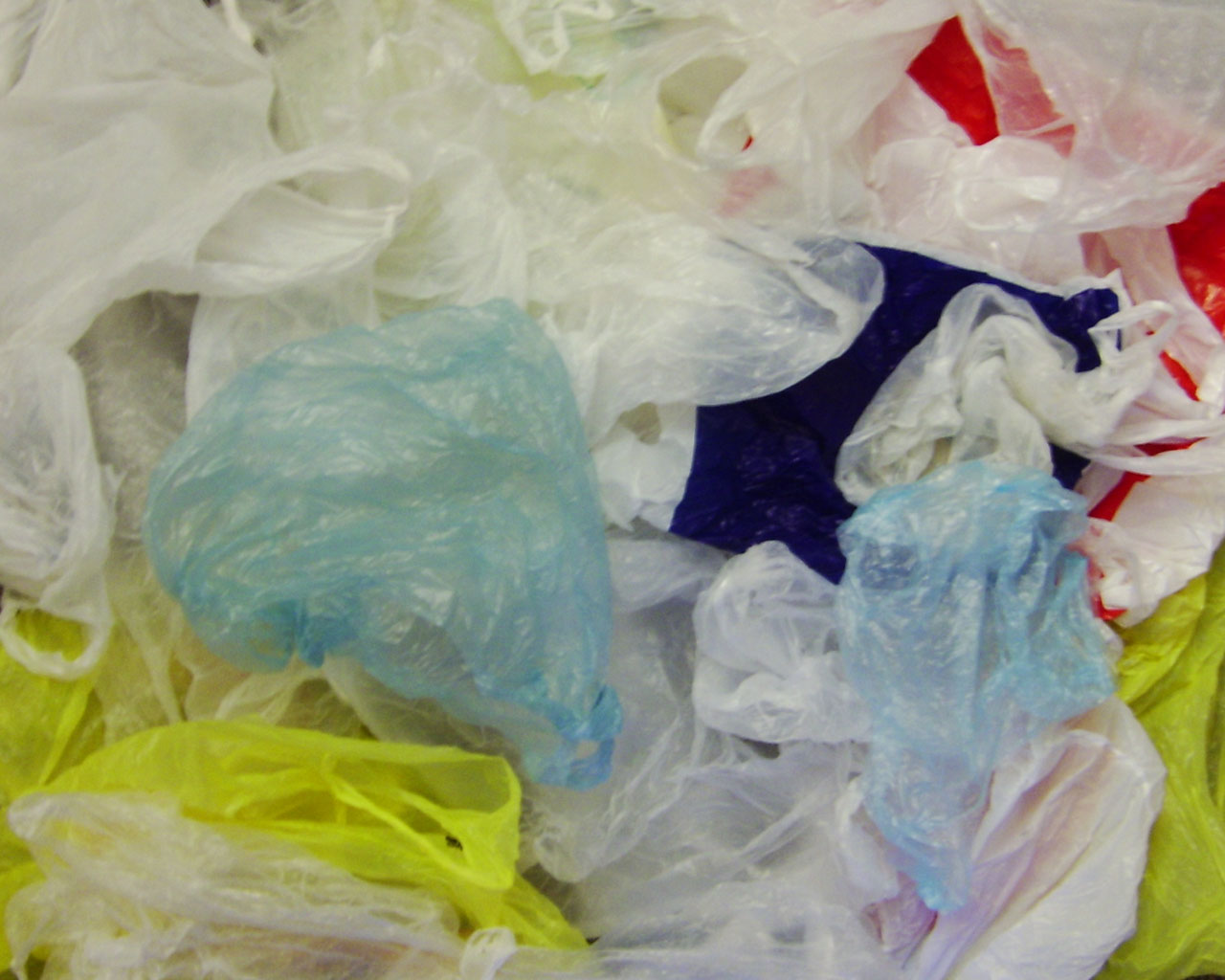
Yesterday was another Holistic Mom's Network twitter party.  The topic of conversation was plastic and it's insidious presence in our homes.  It may seem innocuous but really there's more than meets the eye.  All week long as I was waiting for the twitter party I looked around my home at all of the different ways we use plastic.  I was stunned to realize that there was far more than I thought.

plastic bags | photo: Trosmisiek
Many people have given up the paper or plastic question at the grocery store and bring re-usable grocery bags.  One of my challenges these days is to not use the thin plastic bags that the grocery store gives out in the produce section. I think the time has come to make some produce sacks, the challenge is that it's not nice and see-through for the clerk.  I don't use many of them, trying to take produce by itself whenever possible; however for some things like beans, mushrooms, etc it's not really feasible.  So I'm planning on working on that to reduce my plastic usage.  As we discussed last week when talking about paper....it's one step at a time.

The expert in charge of the twitter party was Beth Terry who blogs over at My Plastic Free Life and goes by the twitter handle @PlasticfreeBeth.  Her website is full of amazing information, links and resources on the steps to a plastic free life page including this great video on making produce bags from old t-shirts.  In addition to Beth's wonderful website there is also a lot of useful information to be found at Earth 911.

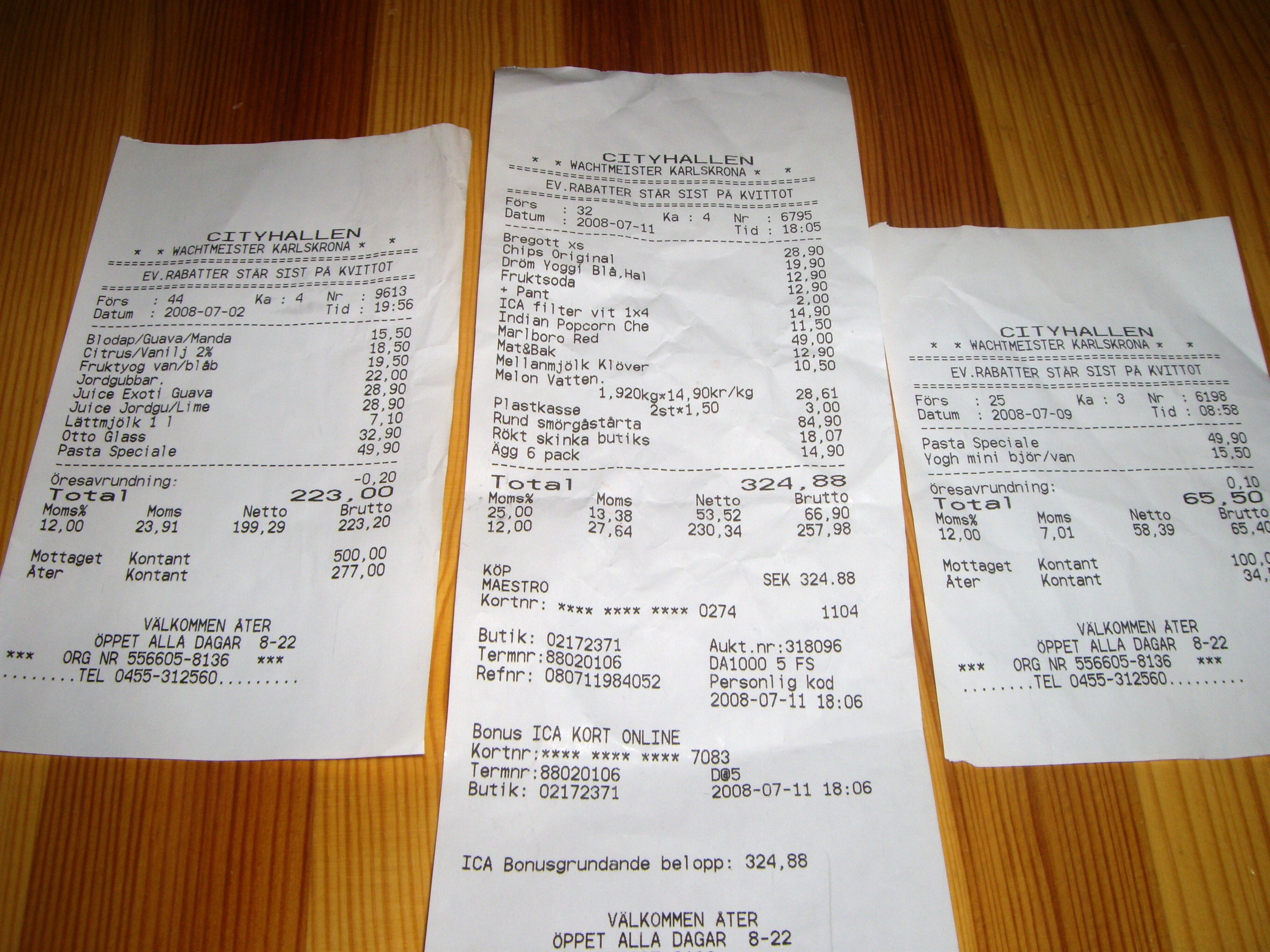
BPA laden receipts | 
The startling thing for many is learning just how pervasive plastics are in our lives.  Many of us focus on BPA because that's what's in the news.  There's even a study currently underway to examine the blood of cashiers to see how high their BPA levels are because they handle receipts all day long.  Those receipts are coated with a powdery form of BPA that transfers easily (something to think about next time you eat a snack after purchasing it and handling that receipt).  As Beth points out, it's important to remember that BPA-free does not mean it's totally safe.

I also learned that chewing gum is made with polyvinyl acetate.  Seriously?  Apparently the only brand of gum currently available that is all chicle is my favorite Glee gum.  But I confess to sometimes having other gums as well.  Not anymore.  I discussed this one with my husband last night and we will no longer be buying other gum.  Turns out this will also reduce our plastic packaging because Glee only packages in cardboard.

Even more disturbing was what I learned about bio-plastic.  This is being touted as the best replacement because it is supposed to break down.  However it turns out that many bio-plastics are made with GMO corn.  Since I try to avoid GMO foods it bothers me that this product is still finding it's way into the environment.  According to one thread in the party last night some bio-degradable plastics have a mystery ingredient that helps them to break down faster.  Researching it on the internet I come up with the information that that chemical is "proprietary" and so does not need to be shared with the general public.  Other information states that it may "leave some toxic residue but the environmental impact is lessened."  This is not something that I want in my environment at all.

glass straws | photo: Wizdomseeker
Just as with last week, the subject of straws came up again.  Of course you can get glass straws from Glassstraws.com or you can purchase stainless steel straws.  What I thought was really cool was discovering this link to a tutorial on making your own DIY travel cup.  I can see that I'm going to make re-evaluating my travel container choices my second priority after those fabric produce bags.  And don't forget to carry your own travel beverage with you.  If you travel through airports it can go empty through security and then be refilled on the other side.

PlasticfreeBeth set forth a Plastic Challenge.  I'm not quite ready to do that yet although I will be paying more attention to the plastic usage around our house. After last night, and after watching the trailer for the documentary movie Bag It this morning, I'm certainly more educated and more committed to making changes.


It's 9:00 a.m. and already I've handled the following plastic:

light switches
household plastic objects | photo: cjp24
toothbrush
toothpaste container
dental floss container
shampoo bottle
razor
deodorant container
mascara container
lipstick container
eye liner container
cell phone / case
supplements/vitamins containers
computer
pen

and probably a few other things that didn't creep into my awareness.  Whew, that's a lot of petroleum product!  Definitely need to look around and see how I can reduce my usage.

Do you have any great non-plastic tips?  I'd love to hear them.

Wednesday, August 17, 2011

eco friendly living


Yesterday I attended the Holistic Moms Network twitter party.  It was great fun; I learned a lot about a wide variety of eco-friendly ideas and shared in some great conversations.

tree | photo: dieraecherin
The topic of the party was people talking about different ways to cut down on how much paper we use.  According to PeopleTowels, "Each person in the US uses about 335kg of paper each year--that's 7 times the world average, even twice the average for industrial countries."  That's a lot of trees!  And don't those trees look better as trees rather than a methane-producing, decomposing mass in the landfill?

This discussion got me thinking about the holistic lifestyle many of us are trying to lead.  We bring our own drink containers (stainless steel, BPA free plastic, or glass) instead of taking styrofoam or paper cups from vendors.  We bring shopping bags to the grocery store instead of using paper or plastic.  Many of us are looking for ways to reduce our environmental impact.

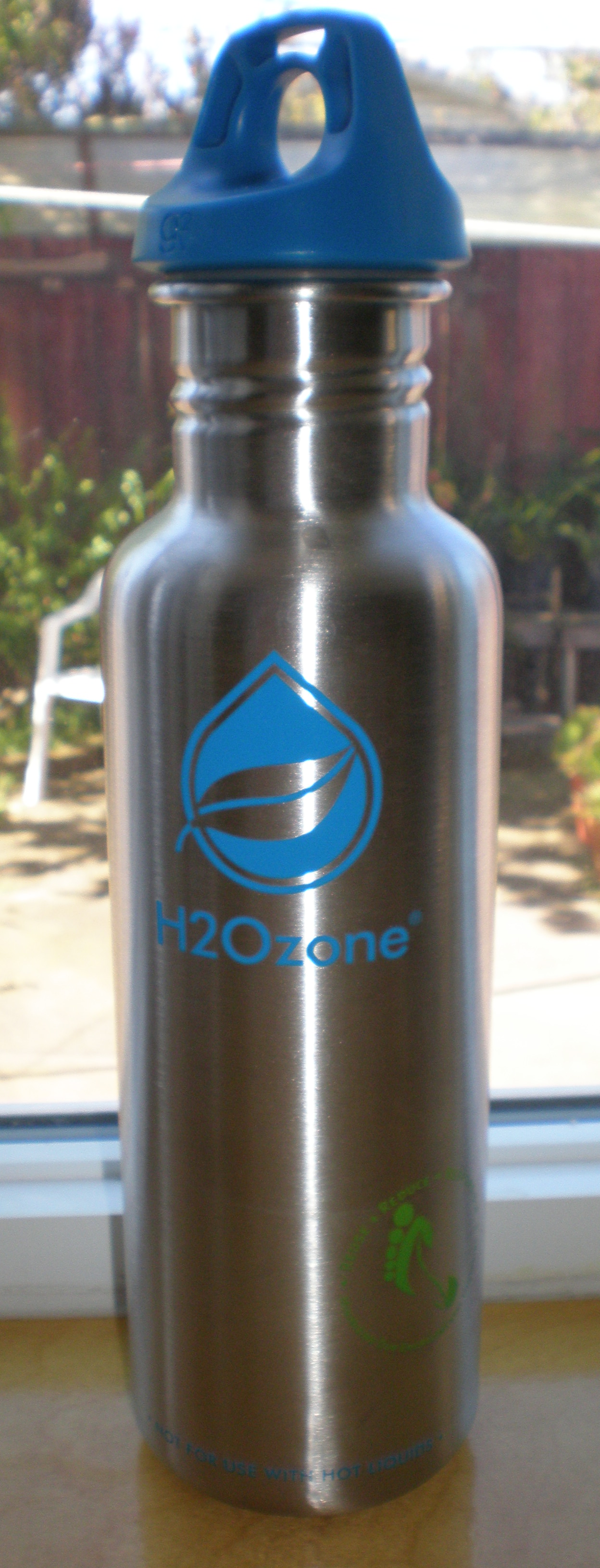
Canteen | photo:  Broken Sphere
I confess that I am a work-in-progress in this area.  I think my success rate with the grocery bag issue is about 80%.  I even now bring shopping bags into other stores, not just the grocery store.  The challenge is getting them back into the car if I've been using a lot of them.  We do have a water bottle and BPA free hot cup for each member of the household and they do get used frequently.  We've shifted to dishtowels instead of paper towels.   All of the eco-friendly ideas that many people are starting to adopt.  But there's always more that can be done.

I felt energized by the discussions going on and came across a number of new-to-me products and companies that I wanted to share.  These are products which will help me continue to reduce my environmental impact; something I consider to be an important part of the balance to a holistic life.

PeopleTowel
PeopleTowels - This company sells reusable small towels that are a great size to take with you on the road, to the office, when you travel.  I confess the nerd side of my nature fell in love when I discovered that they had a special towel for Towel Day.*  One of the great things about their towels is that although they have lots of really cute ideas and great towels they also have an option where you can design your own.  So if you want to create a theme set of towels, put pictures on a towel, put one of your kids art projects on it, you can.  And these towels will last for years.  I've already ordered a set of five plus a Towel Day towel and can't wait for them to arrive.

Another topic that came up was the idea of straws.  To be honest we don't use a lot of straws in our house but when we do they are always plastic.  Until now.  It turns out that you can get either glass straws or stainless steel ones.  The glass straws are available from a company called Strawsome.  They have all different sizes, bubble tea, regular, smoothie, plus colors, plus you can get them personalized.  Another option for reusable straws that I like a lot is these stainless steel straws.  This is something that I could easily carry in my bag to use when I am out.  One challenge that I see is what do you do with a used straw if you use it at a restaurant.  But I like the concept a lot and love the thought of not wasting plastic.

As part of the eating out section of the conversation I was re-introduced to the concept of bringing your own takeout container to restaurants.  There are two reasons I like this idea and why I plan to start implementing it.  One is that most restaurants use styrofoam and I have a strong aversion to it.  It hangs around in the landfill forever and if you put hot food into it you are then absorbing some of the plastics that are released due to the heat of the food.  Bringing your own takeout containers is such an eco-friendly idea.  You can reduce waste, still have your takeout (I often wind up with lunch for the next day as most restaurant portions are far too large for one person), and have containers that you feel good about using.  I've decided to go through my BPA free containers and see which ones are going to be designated for takeout.  And I'm going to work on the habit of bringing them with me.

Another part of the conversation was about using cloth napkins which in turn opened up a discussion about cloth sandwich bags.  We do use cloth napkins in our house.  Not 100% of the time, when I have a party I confess I buy paper because I just don't have that many cloth napkins.  But on a daily basis it's cloth and we have a good size, mis-matched collection.  When talking about the idea of reusable sandwich bags I came across only one resource for food-safe plastic fabric.  If you decide to make your own reusable sandwich bags please do not use PUL or oilcloth, neither of those is acceptable for food contact.  This discussion lead me to realize that I think I want to set aside some time to make a few reusable sandwich bags and while I'm at it whip up one or two sets of napkins that actually all match.

I encourage my health clients that we are working one step at a time.  It's important to remember this when you are moving toward a more eco-friendly life as well.  If you try to change everything at once it's too much.  You are trying to remember and be consistent about too many things.  You are not learning and setting those new habits.  When I first started with shopping bags my success rate was about 10%.  I wouldn't remember to bring them in to the store or I wouldn't have enough reusable bags.  While I still forget from time to time to get them back into the car I do use them the vast majority of the time.  I've also gotten very good about telling cashiers that I do not need a bag if I am only purchasing a few products and can easily carry them when I've forgotten my bags.  That was my first big eco-friendly step.  Little by little I added others.  You can do the same.  Pick one thing that is important to you.  Practice and develop that habit.  When you are comfortable that you are utilizing it the majority of the time, move on to another one.  Slow and steady is the way to make effective, long-lasting, positive change.

What do you do in your home to be more mindful of the environment?  I'd love to hear ideas and resources.  Leave a comment below and share your thoughts.

*Towel Day is May 25th.  It is celebrated by fans of The Hitchhiker's Guide to the Galaxy written by Douglas Adams.  Rule #1 is "Don't forget to bring your towel."


Wednesday, April 27, 2011

is your plastic making you fat?

plastic overflowing | photo: matei
Plastic, it's all around us, a significant part of our modern lives. From hangers to toothbrushes, hairbrushes, storage containers, toys, and decorative accessories we live our lives surrounded by plastic. One plastic ingredient that is still receiving lot of news coverage is Bisphenol A, also known as BPA. What exactly is BPA? It is a building block for making plastic and plastic additives. Discovered in 1891 it is highly used in polycarbonate plastic items such as shatterproof bottles, CD's and DVD's, eyeglass lenses, and medical and dental equipment. It has also infiltrated our food packaging which can bring serious health risks.

A large part of the concern about BPA is that it is now known to be part of a category of endocrine interrupting chemicals called obesogens. Simply put an obesogen gets into our body and causes harm by reprogramming stem cells to turn into fat cells, or altering gene function. A study published in 2009 in Molecular and Cellular Endocrinology stated, "The recent dramatic rise in obesity rates is an alarming global health trend that consumes an ever increasing portion of health care budgets in Western countries. Recent research implicates environmental risk factors...evidence points to endocrine disrupting chemicals that interfere with the body's adipose tissue biology, endocrine hormone systems or central hypothalamic–pituitary–adrenal axis as suspects in derailing the homeostatic mechanisms important to weight control."  In plain English, our exposure to BPA may be one of the factors that is contributing to the growing epidemic of obesity.

Obesogens also have the ability to mimic estrogen and it's effects on the body. This estrogenic effect may be linked to reproductive abnormalities, breast cancer, prostate cancer and even diabetes. Unfortunately, in spite of the knowledge of how bad BPA is for us, it still permeates our food chain. At the end of 2010 Canada acknowledged BPA as a toxic substance for both humans and for the environment; their government is working to remove it from use.

The use of BPA in our modern environment can be overwhelming.  One high exposure source of BPA is the thermal paper lining credit card receipts, the BPA makes the paper printable.  Unfortunately it also flakes off easily when we touch the paper, allowing transfer to anything you touch or ingest afterwards.  When you receive credit card receipts fold them inward so that the printed side (the side with the BPA lining) is more contained.  If the receipt is printed on both sides, which is happening more and more, try to handle the receipt as little as possible.

There are some things you can do to decrease your exposure:

Avoid products that are known to be most contaminated by BPA. Canned foods are a big health hazard as the lining in most cans has BPA in it. There are a few brands that claim to be BPA free but unfortunately an article from Consumer Reports, December 2009, showed that some companies which claimed to have BPA free cans still had trace amounts of the chemical in their product. The report went on to state that those foods in plastic containers with metal pull-off lids, specifically Chef Boyardee Beef Ravioli in Tomato and Meat Sauce, had BPA levels that were 1.5 times higher than the same product in a metal can.

In addition to canned foods, plastics that are marked with a number 7 recycling code and any unmarked plastic containers are highly likely to be made with BPA.

Even products in glass jars may contain BPA in the lid. As a matter of fact those people who process their own food at home thinking that they are avoiding exposure may not be aware that Jarden Home Brands, the manufacturer of Ball, Kerr, Golden Harvest, and Bernardin brands, admits that there is some BPA in it's lids. Although it is a small amount, BPA is most highly released under heat and pressure, both conditions which are met during the canning process. (In fairness it is important to note that the plastic storage lids made by Jarden do not contain BPA) It is important to avoid these containers in order to reduce your exposure. Soups and other products are now available in cardboard packaging which does not have BPA. If you are planning on doing home canning you can purchase reasonably priced, reusable, BPA-free canning lids from a company called Tattler.

Other BPA containing products can include plastic bottles, plastic lined metal bottles, sippy cups, a lot of microwaveable cookware, and plastic bags. Using unlined stainless steel drinking bottles and cups can avoid exposure. When purchasing lunch-meats at the deli re-wrap them into wax paper or food safe BPA free containers (either glass or BPA free plastic). One new line of BPA free plastic containers is FreshKeeper available from Frye International. With an airtight seal, these durable nesting containers come in a wide range of colors and shapes. The company generously sent me a set to test and I found them convenient to use and easy to store.  They have also held up very well to heavy, regular use.

Nutritionally, aside from removing as much BPA from your environment as possible, one of the dietary changes you can make is to increase your intake of folate. Early stage research coming out of Duke University shows that increased folate intake by pregnant mice negated the harmful effects of BPA exposure. Good sources of folic acid are dark leafy greens. Kale, spinach, romaine lettuce, swiss chard, mustard greens and turnip greens. Folate can also be found in asparagus, broccoli, cauliflower, and lentils. Adding generous amounts of these whole foods to your diet is a healthy way to help protect your health.

It is important to be mindful of the different ways that BPA exposure exists in your environment. With these tips you can help limit and control your exposure.

Thursday, January 13, 2011

microwave ovens

Popcorn   |  Fir0002
This post started off innocently enough as a Facebook post in response to a question about if and how I use my microwave oven*.  The posting engendered a lively response from a number of people but brought up more questions.


Generally I use Facebook for quick links of interest, small notes and updates, that sort of thing.  I try to use this blog for longer responses so that they can be found from the tags rather than getting lost in that endless chronological feed.


Because the answer was more than a quick response I decided to move it over here to the blog.  I'd like to thank those Facebook fans who shared their answers, it enabled me to write a thoughtful, supported response about the issue.  The section marked Addendum is where the answers grew into this post.  I'd truly like to keep the discussion going...let me know your thoughts, how you use your microwave oven and/or if you are considering changing what you do based on the information you find here.


*****


I just had someone ask me what I use my microwave oven for. Here goes:

  1. microwaving sponges to kill bacteria - two minutes every morning
  2. proofing space for rising bread - it's a perfect draft free space
  3. draft free space for making sprouts
  4. warming oven for waffles and pancakes - I put a cooling rack in there and then pile the waffles and pancakes on the rack.  The proofing box space keeps everything warm and moist, the rack keeps the ones on the bottom from getting soggy
  5. to heat my buckwheat filled neckwrap when I need a hot pack - great for a sore back, sore neck, or to warm your feet in bed on a cold night

Honesty requires me to admit I rewarm my tea in it and my husband loves it for reheating leftovers (I prefer steaming on the stovetop). But we don't cook in it and if it weren't built in I might consider doing without it.

What do you use yours for?

ADDENDUM:

So a couple of important comments came up prompting me to add to this note:

1.  Microwave popcorn.  I'm really sorry but this is a bad bad bad bad bad idea.  And did I mention that it's bad?  Why you ask?  Perfluorooctanoic acid (PFOA) is a known cancer causing teflon agent.  Admittedly all of the studies have only been done it rats but it's generally true that if it causes cancer in rats it will cause cancer in humans but that's another subject and I won't go there right now.  That bag lining is the same material that is in teflon pans. I tell people to throw out all of their teflon cookware and invest in non-teflon.  I rarely tell people to throw things out but this is one area where I feel it is never to soon to abandon the stuff.  The problem with PFOA's is that when you open that hot steamy bag of popcorn you are exposing yourself far more than when you cook on a teflon pan, through the steam and through what has leached into the popcorn itself.

According to one scientist, "It is estimated that microwave popcorn may account for more than 20% of the average PFOA levels measured in American residents."

Not only that there's the "butter" (in quotes because it isn't) which is linked to lung disease in factory workers exposed to the vapors.  This is from the Diacetyl which is so toxic that "Significant new information regarding the health effects of diacetyl and food flavorings containing diacetyl (FFCD) affects the information that must be conveyed to employers and employees under the Occupational Safety and Health Administration’s (OSHA) Hazard Communication standard."

Bottom line:  shift to hot air or stove-top popped popcorn and don't eat the microwave stuff.

2.  Cooking. Microwave ovens work differently than other cooking methods and there are some health risks that go along with it.  A study published in the American Journal of Epidemiology showed that cooking meat in a microwave oven does not kill bacteria (in this case salmonella).  The study concluded, "Compared with conventional methods of reheating, microwave ovens had no protective effect in preventing illness. To prevent outbreaks such as this one, care must be taken to assure that food is both properly cooked and handled and properly reheated." 

Another study, from CEBAS-CSIC in Spain, comparing various cooking methods and their effect on the nutrient status of food showed that steaming is the best way to cook vegetables. The worst is to microwave them; more nutrients are lost during the microwave cooking process.

Cooking in a microwave oven has also been shown to convert B12 to the inactive form thereby depleting its bioavailability by denaturing up to 40% of it in the food.  We all need B12, if you're a vegetarian or a vegan this is even more critical.

To be fair all methods of cooking will reduce nutrient status somewhat, that is part of the process from heat.  And if you are steaming, especially vegetables, you would be well served to drink the nutrient rich broth that remains behind.  But overall microwave 'cooking' is, in my book, not a good idea.

So the end result?  I certainly have no complaint with people wanting to reheat their food or beverage in a microwave oven.  I do, however, think it's not a good idea to cook in it.  And I think if you are re-heating something you are best served to remove it from any plastic or coated surface, put in it ceramic and use the oven that way to avoid any potential fumes or chemical leaching.


*  A small nerd-humor note.  I find myself consciously referring to microwave ovens as microwave ovens rather than as 'a microwave', 'the microwave', etc.  The reason?  My husband delights in telling me that "Microwaves are itty bitty little particles that you cannot see."