This is a guest post by my Aunt Haya who recently shared a very sweet story about food, connections and memories. I love food stories. I like hearing where food came from, how it's changed, and the associations we make with our food; those moments that join us together. I agree with my Aunt that in this over stimulated fast paced world it's nice to have these kinds of connections to make us stop a moment and reflect on the various ways that our food comes into our lives. I also love how so many recipes, when shared, keep the name of the person who gifted them to us.
This evening my congregation will be hosting a group of 32 members of
a congregation in Maryland who are on a 10 day tour of Israel with
their Rabbi. After many guided tours to historical sites
they are looking forward to sitting and talking with folks who live
here. I have been asked to contribute my
three bean salad to the meal. I am always glad to make and share it. While assembling the ingredients I stopped to think about it's entry into our lives.
Nowadays, three bean salad is well known all over the US and multiple
variations are on the web. But while living in Houston (in the late 1960s), my husband and I made sure that each of us would have some private
time each week, with each of our children. On one such outing I went with our son Daniel to attend an outdoor performance of an abridged version of some
Gilbert and Sullivan operetta out on a lawn of The University of
Houston. I think that it was the Pirates of Penzance, but am not sure.
I did not recognize anyone sitting near us in the audience
but Daniel soon picked up a conversation with a boy near his age. I
introduced myself to his mother and learned that they were in Houston
for the summer while her husband, a school teacher, took summer classes
at U of H, in order to eventually qualify to become a school principal
in their home town somewhere I think in Arkansas or Alabama. He was
often busy attending those summer program classes or working in the
university library on his homework, so she and their son were
exploring Houston on their own.
I invited them to join our family
picnic the next week in Herman Park on the 4th of July--speeches, fire
works and all. They were glad to accept and she brought three bean
salad that she'd made. We'd never tasted one before. We all enjoyed it
so I asked for her recipe. She wrote out on a piece of paper which I copied on to a file card after I returned home. I added her
name Eula Ross. We got together only once or twice more during that summer, but
three bean salad became a staple in our family's favorite summer
recipes; particularly as a contribution to buffets and picnics.
Here in Israel the recipe has changed somewhat. I add diced fresh
rosemary needles (that I pick fresh from the shrubs) to the chopped parsley in the original recipe and often use
chickpeas for the third bean.
Today I found that I needed to
purchase more chickpeas so used red beans as I have no red onion and wanted
to add color other than the chopped sweet red pepper to the salad. I use less sugar in the dressing that Eula Ross recommended and
the minimum quantity of oil. But each time I prepare this dish,
whether or not I check the details on the old file card or fly free
with improvisations, I think a special thanks to Eula Ross where ever
she is now.
I am sharing this story with you because in this day and age of
instant communication, information from people whom one never meets,
an entire rainbow of recipes for any dish for which one could
possible conceive of hankering, this older, slower, deeper time of
meeting a stranger who became an acquaintance and shared her recipe
and it's evolution to fit my current location and dietary preferences,
pleases me a great deal.
Eula Ross' Three Bean Salad
2 cups each green string beans, yellow string beans, red beans or
pinto beans,
2 stalks of celery cut into cubed shape pieces
1/2 red union diced
1 cup chopped fresh parsley
1/2 cup chopped bell peppers
1/2 cup vinegar
1/3 cup sugar
1/4 to 1/2 cup oil
1 1/2 teaspoons salt
1/4 teaspoon fresh ground black pepper
Whisk the five dressing ingredients together and pour over the
vegetables.
Mix together cover and chill in fridge.
Keeps for 10 days
Aunt Haya's changes:
1 Tablespoon of chopped fresh rosemary to the parsley
I used frozen cut yellow and green beans which I steam over boiling water
just until they thaw, so that they are still a bit crisp
I sometimes
substitute chick peas for the red or pinto beans - I soak which ever of
the three that I use over night, then cook them myself, drain them
before adding to the salad. (I find commercial canned beans of all
three types, over cooked (too soft) and too salty)
I use only 1 teaspoon of salt
About 1/3 cup of oil
reduce the amount of sugar
I like to use apple cider vinegar
Showing posts with label beans. Show all posts
Showing posts with label beans. Show all posts
Wednesday, July 11, 2012

Saturday, October 29, 2011
pc curried rice and beans
 |
| pressure cooker curried chickpeas and rice |
Fast forward many years....my friend Emily at The Kindred Kitchen recently had me over for dinner. She made an amazing dinner in her pressure cooker. She was so confident, so calm, and it was all so delicious! I was hooked and got my own.
When I talked to my mother about it she told me that her mother, my Grandma Katzy, had used a pressure cooker when she was growing up. I asked my mother why she never used one. She replied by sharing a story about my Nana, my father's mother, involving a pressure cooker. Apparently in the middle of cooking dinner with the pressure cooker something went wrong and the lid blew off. There was so much force involved that the lid embedded itself in the ceiling of Nana's apartment. One can only imagine the horror and disbelief ... and what the kitchen must have looked like. Mom wasn't exactly sure how Nana managed to get the lid out of the ceiling. That was the end of pressure cooking as far as Nana was concerned.
Needless to say it was enough to convince my mother that she did not want to use a pressure cooker. Ever. Not having grown up around one neither did I. Until now. I've been experimenting with it and have discovered that I absolutely love it; it is rapidly becoming one of my favorite kitchen appliances. Meats and vegetables are delicious, colorful, flavorful, and oh so tender. The real prize-winning use however is for rice and beans, of all different flavor profiles. It is so quick, so easy, and it comes out just right. I absolutely love my pressure cooker and owe Emily a debt of gratitude for helping me to change my mind. This recipe is based on one that she shared with me.
PC Curried Rice and Beans
1 cup chickpeas, picked over and rinsed
1 cup brown rice
1 medium onion, diced
2 cloves garlic, minced
2 tablespoons curry powder
2 cups vegetable broth
sea salt and fresh ground pepper to taste
1/2 cup chopped cilantro
In the morning set the chickpeas to soak in a pot of hot water
In the evening assemble your meal:
Drain and rinse the chickpeas
Heat the olive oil in the pressure cooker
Saute the onions and garlic for a few minutes until soft
Add the curry powder and stir for a moment
Add the rice and stir until the rice is coated
Add the broth, chickpeas, salt and pepper
Lock the lid in place and bring to high pressure
Reduce the heat but still maintain high pressure
Cook for 9 minutes and remove from heat
Let pressure drop naturally for another 5 minutes
Quick release and then remove the lid
Stir in the chopped cilantro and serve
Tuesday, August 30, 2011
black bean casserole
 |
| black beans | photo: Paul Goyette |
Over on my Facebook Fan Page I posted a Meatless Monday menu of black bean casserole, roasted asparagus, spring onions, cauliflower and cauliflower greens. It was a delicious dinner. I received a request for the recipe and decided to post it over here at the blog.
I love oven roasting veggies, it's such a simple way to put them together and really makes fabulous leftovers. And black beans are a great flexitarian choice; they're tasty, easy to prepare, and go well with so many different types of dishes.
Adding beans to your diet, if you don't already eat them, is such a healthy thing to do because not only are you getting protein, you're getting lots of fiber. One cup of black beans provides 15 g. of fiber and 15 g. of protein. A pretty good deal in my book. Even better you're also getting a lot of B vitamins, primarily thiamin and folate, plus iron, copper, magnesium, phosphorus, potassium, and manganese.
This black bean casserole is one of my favorites because with the addition of the corn tortillas it makes a complete protein. The original recipe that I developed calls for a generous sprinkling of shredded cheese on top however due to my new dietary restrictions I am avoiding cheese. I've discovered that the rice cheeses and other "fake" cheeses are just too unpleasant for my palate, both in taste and texture so I've been feeding what I bought to the dogs (who are thrilled) and just leave out the cheese altogether. But if you're a cheese fan and can eat it, use about 3/4 C.
Being where we are in the growing season at the moment with tomatoes so very expensive (and my garden burned to a crisp due to drought) I've turned to my favorite Pomi Chopped Tomatoes which come in a box rather than a can so there is no BPA. When tomatoes are in season and not hideously expensive I definitely prefer them and use about four in this recipe.
Black Bean Casserole
2 T. olive oil
1 large red onion chopped small
2 cloves garlic minced (more if you like lots of garlic)
2 ribs celery chopped small
1/2 of a 26 oz box of chopped tomatoes
2 cups cooked black beans
1 t. cumin
6 medium size corn tortillas cut or ripped in half
2 T. minced cilantro
1 T. lime juice
2 spring onions chopped
sea salt and pepper to taste
hot sauce (optional)
Preheat oven to 350 F
Lightly grease a medium round pie dish
In a pan heat olive oil, saute onion until wilted
Add celery and garlic and saute until celery is wilted
Add black beans, tomatoes, and cumin, cook until heated through
Remove from heat and add salt and pepper to taste
In pie pan layer 4 corn tortilla halves with 1/3 black bean mixture
(the top layer is where the cheese goes if you're using it)
Repeat layers ending with bean mixture
Cover and bake 30 minutes
Remove from oven, sprinkle with spring onions, cilantro and lime juice
Note: when tomatoes are in season and I use fresh I often top this with some chopped tomato
Monday, March 28, 2011
eat white food
I frequently spend a lot of time asking people to eat the colors of the rainbow. There are so many tasty colorful foods that I am at a loss to understand how the Standard American Diet came to be mostly beige. On my Facebook Fan Page I often push colorful foods. For the most part this means fruits and vegetables that are higher in nutrients, tasty and easy to incorporate into the diet in their whole food form.
Today however I'm here to advocate for white foods; at least some of them. I'll still be one of the first to tell you that white rice, white pasta, white bread, white potatoes and that ilk are primarily simple carbs and not a great choice. But there are some other white foods that are fabulous and should definitely be part of your nutritionally dense, healthy eating plan.
Cauliflower - A cruciferous vegetable that is loaded with vitamin C, cauliflower also provides vitamin K, and some folate. It's also got a type of phytonutrient called glucosinolates which are a good choice for detoxification activity within our bodies. Antioxidant and anti-inflammatory properties make cauliflower high on the list for cancer prevention and heart health while it's high levels of fiber make it a great choice for supporting healthy digestion. You can eat it raw, steamed, baked, roasted, and cooked. Don't forget about the greens, these are also edible and make a great addition to a stir fry or curried greens.
Parsnips - A root vegetable that is loaded with fiber, parsnips also provide vitamin C, vitamin K and folate. They have a wonderful mineral content that includes calcium (yes folks, 1 C. of parsnips gives you 5% of your RDV for calcium), magnesium, phosphorus, potassium, and manganese. I've read that before people knew that potatoes were edible, parsnips were one of the prized root vegetable for their mild, delicious flavor. They can be eaten raw, cooked, mashed, steamed, and make a wonderful addition to a root vegetable medley or a carrot, sweet potato, parsnip latke.
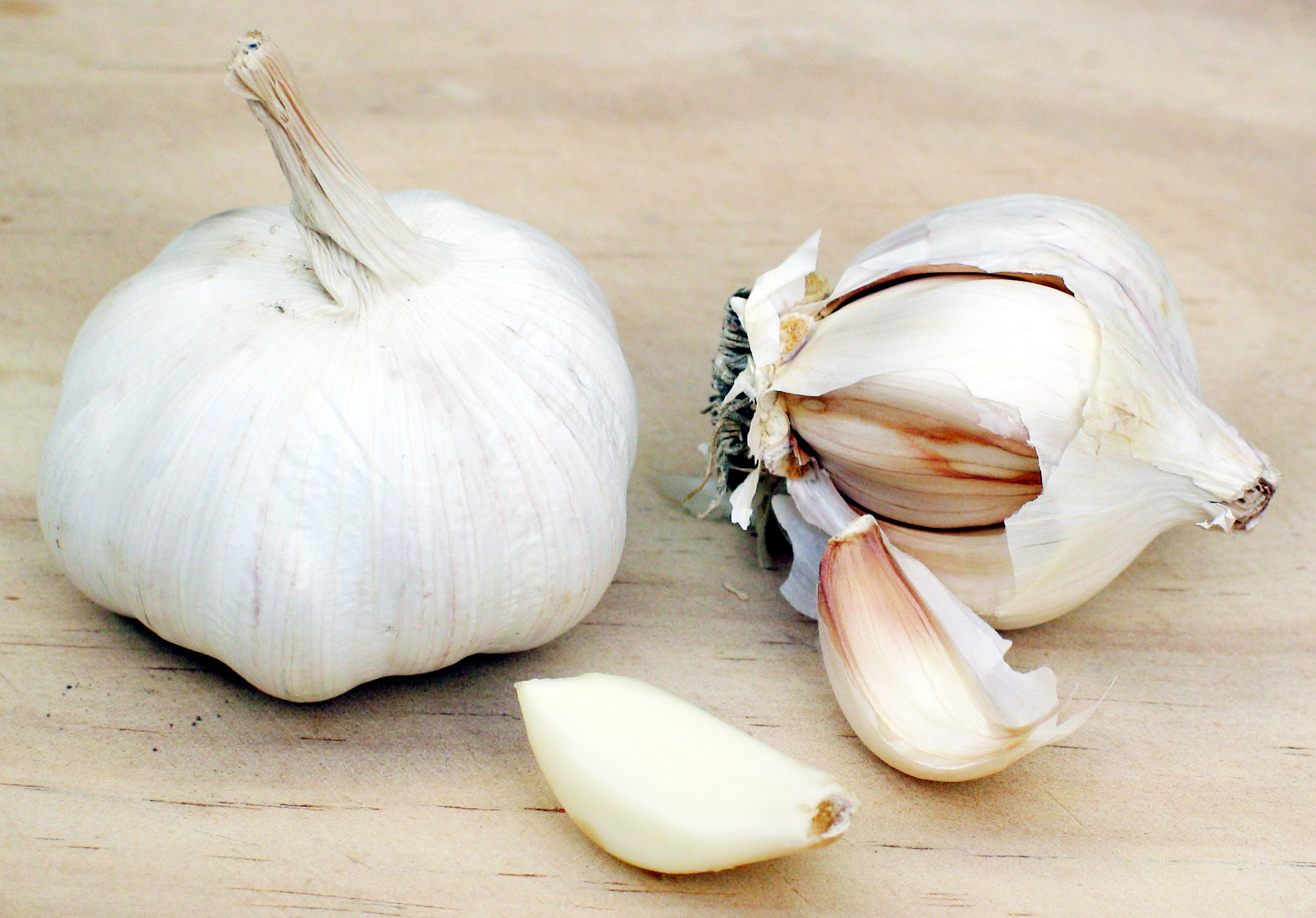
Garlic - Another wonderful root vegetable garlic is a fabulous antiviral, antibacterial, antifungal, cancer fighting, immune system boosting food that needs to be a part of your diet. If chopped and let to sit for a few minutes oxidization boosts the powerful antioxidant allicins. Many people, myself included, when feeling a little under the weather, will chop a clove or two of garlic and swallow it down raw (do not do this on an empty stomach as it may cause digestive upset). Delicious, healthy, easy to use in a vast array of dishes, it's one white vegetable that belongs in your pantry. As tasty as it is, it's no wonder that there's a recipe for chicken with 40 cloves of garlic.
Onions - there are all different types of onions so it seems a bit odd to single out the white ones since I tend to use them all. The white ones include sweets, cipollinis, shallots, pearl onions and more. Try them all, they're delicious and so good for you. High in chromium, which is great for your blood sugar, onions also have a high level of sulfur compounds which makes them a great choice as a heart healthy, immune boost, cancer fighting, anti-inflammatory vegetable. They also provide copper which is important for bone health.
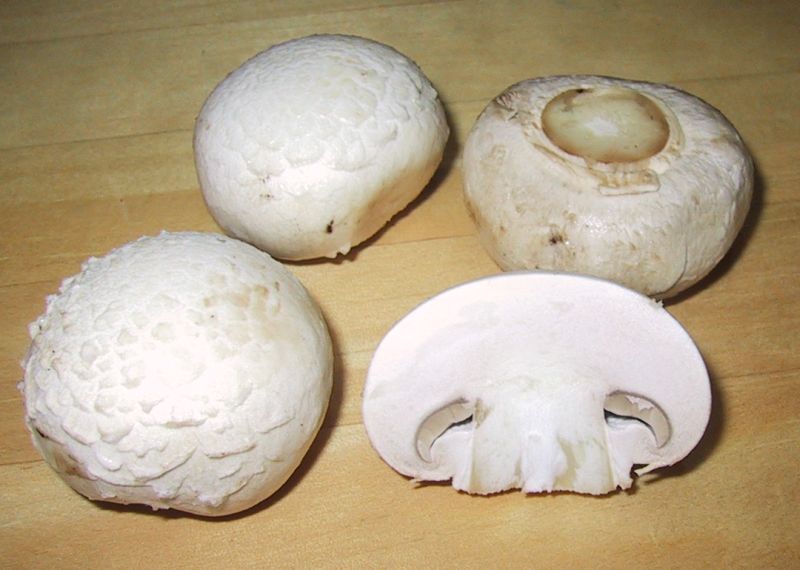
Mushrooms - everyone is going crazy for shitake, oyster, portobello, maitake and other mushrooms these days. But that doesn't mean that you should discount those tasty white mushrooms. They pack a nutritious punch with lots of fiber, vitamin B12 (especially important for vegetarians and vegans), potassium, copper, and selenium. 1/2 cup of mushrooms provides a whole lot of flavor yet only 7 calories. Another easy, versatile vegetable they can be used in many different ways in a wide variety of cuisines.
White Beans - This color covers a number of different kinds of beans, navy, great northern, cannellini, pea beans, and more. A great source of protein, white beans also offer a great source of iron and fiber. They are good for stabilizing blood sugar, good for your heart, your digestion and can be eaten so many different ways. They pair well with an almost endless combination of vegetables, herbs, and spices. One of my favorite ways to eat them is cold (after cooking) in a salad drizzled with a pesto dressing.
Celeriac - Sometimes referred to as celery root this tastes like a cross between celery and parsley. It's great in combination with other root vegetables, goes great into a slaw, cooks up well in a casserole, and is another great choice to add to your diet. Low in calories but high in vitamin C, vitamin K, vitamin B6, phosphorus, potassium, and manganese it's considered a detoxifying vegetable. It may also help with blood pressure health and support bone health.
So eat a rainbow of food, whole foods that is, but don't forget white is all the colors of the rainbow and needs to be part of your plate too.
 |
| Cauliflower ] photo: Liftarn |
 |
| Parsnip | photo: A.Cahalan |
 |
| Garlic | photo: geocachernemesis |
 |
| White Onion | photo: multadroit |
 |
| Mushrooms | photo: Chris 73 |
 |
| White Beans | photo: Rasbak |
 |
| Celeriac | photo: AlbertCahalan |
So eat a rainbow of food, whole foods that is, but don't forget white is all the colors of the rainbow and needs to be part of your plate too.
Sunday, January 9, 2011
superfoods trending down
According to a news article I read recently superfoods are trending down. Not all superfoods, just the ones that have been the media darlings, acai, goji berries and the like. I actually like this trend because as I wrote previously (back in 2008 I might add) we don't need to import superfoods. We would do better to utilize those that are readily available. It's more sustainable, eco-friendly, and also easier on your wallet.
So what are these superfoods that we should be more aware of (and eat more often)?
Berries- with lots of fiber and antioxidants they're great and easy to add to the diet in cereal, yogurt, salads, plain, anytime.
Eggs - high in protein (1 egg provides 6 g) with lutein and zeaxanthin (good for your eyes) they're versatile and satisfying.
Nuts - raw, unsalted are the best. Providing monosaturated fats they are a great heart-healthy choice. Add them to foods such as cereals or baked good or take some along for a healthy nutrition boosting snack.
Broccoli - yes, it is a super food. With an amazing nutritional punch it provides not only fiber and a wide range of vitamins, but it also has sulforaphane which is a potent cancer fighting detoxifier.
Beans - with a hefty dose of fiber and iron beans are just an all around good for you food. Soups, stews, and dips are a great way to add them to your meals.
Beta-carotenes - okay so this isn't a food but rather a group of foods. Found in orange foods (think sweet potatoes, winter squashes, carrots, etc) and dark leafy greens (the chlorophyll hides the color) like kale, spinach, collards and more betacarotene is a powerful antioxidant that support immune system health, reproductive health, and it's very good for your eyes.
So while imported superfoods may be trending down I'm rooting for an overall upward trend in the concept of super foods.
Saturday, October 2, 2010
shitake pinto bean burgers
 |
| photo: Alexandra Luna |
My friend Alexandra shared this fabulous recipe with me and is letting me share it with all of you.
I love bean burgers but confess that sometimes I get tired of the same recipe over and over again. I also usually make lentil or black bean burgers. This recipe sparked my interest because it was a different kind of bean and the addition of shitake mushrooms.
Mushrooms can be a very wonderful food to add to your diet. Asian cultures promote the use of mushrooms for the medicinal values, they do have healthy properties, and they are very tasty. Shitake mushrooms in particular have something called lentian in them, a substance that helps to boost the immune system, and studies indicate that it has anti-cancer properties. Shitake mushrooms are also a good source of iron, vitamin C, and fiber as well as providing some protein.
Here's Alexandra's recipe, let us know what you paired it with.
Shitake Pinto Bean Burgers
3 1/2 cups or 1 can of pinto beans
1 cup rough chop shitake mushrooms
1 small red onion diced
1/2 cup green onions diced
3-4 cloves of crushed garlic
1/2 tsp each of cumin and corriander
Sprinkle of chipotle chili powder
Saute garlic and onions for 2-3 minutes
Add mushrooms, green onions, cumin and corriander
Cook for 2-3 minutes
While veggies are cooking, mash beans
Add veggies, chipotle chili powder, salt & pepper to beans, mix well
Shape into patties
Line a cookie sheet with parchment paper
Spread a bit of coconut oil on paper (helps with browning)
Place patties on cookie sheet and bake in 400 degree oven for about 30 minutes, flipping after 15 minutes
These are great topped with avocado and a side of greens.
1 cup rough chop shitake mushrooms
1 small red onion diced
1/2 cup green onions diced
3-4 cloves of crushed garlic
1/2 tsp each of cumin and corriander
Sprinkle of chipotle chili powder
Saute garlic and onions for 2-3 minutes
Add mushrooms, green onions, cumin and corriander
Cook for 2-3 minutes
While veggies are cooking, mash beans
Add veggies, chipotle chili powder, salt & pepper to beans, mix well
Shape into patties
Line a cookie sheet with parchment paper
Spread a bit of coconut oil on paper (helps with browning)
Place patties on cookie sheet and bake in 400 degree oven for about 30 minutes, flipping after 15 minutes
These are great topped with avocado and a side of greens.
Enjoy!
Sunday, June 27, 2010
how to make bean sprouts
I love bean sprouts. They're delicious and a great source of nutrition. Just the act of sprouting beans increases their nutrition. It also makes their nutrients more bio-available because the first step, soaking, removes phytic acids which interfere with nutrient absorption.
A while back my friend Jen asked me how to make them. She had been interested in doing it but was afraid it was too difficult. She wanted pictures to show her how it was done. I promised that the next time I made bean sprouts I would take pictures and share the process.
This is a batch of lentil, adzuki, mung bean sprouts. You can use any beans you like depending on what you have handy in your pantry. I almost always have mung beans and lentils so I use those a lot. The other beans vary. I usually make a bean sprout mix with anywhere from three to five different kinds of beans.
Start by putting a small handful of each of the different beans into a colander and picking them over. Dry beans frequently have small rocks, little clumps of dirt or other debris in the package, it's important to sort through them before you use them.


A while back my friend Jen asked me how to make them. She had been interested in doing it but was afraid it was too difficult. She wanted pictures to show her how it was done. I promised that the next time I made bean sprouts I would take pictures and share the process.
This is a batch of lentil, adzuki, mung bean sprouts. You can use any beans you like depending on what you have handy in your pantry. I almost always have mung beans and lentils so I use those a lot. The other beans vary. I usually make a bean sprout mix with anywhere from three to five different kinds of beans.
Start by putting a small handful of each of the different beans into a colander and picking them over. Dry beans frequently have small rocks, little clumps of dirt or other debris in the package, it's important to sort through them before you use them.

After picking them over, rinse the beans well.
Then...

Put them into a bowl and cover them with water.
Put them in the oven overnight

(Be sure to put a note on the oven so you don't accidentally turn it on to pre-heat
when your beans are in there. Trust me on this one.)
The next morning take your beans out of the oven and drain them.
Rinse them well and put them back in the oven.

The next day rinse and drain your beans and put them back in the oven.
Keep doing this.
On day two or three you will notice that your beans have little white sprout tails.

On day three or four you will notice that lots of beans have sprouted and they are ready to eat.

How long they take to sprout depends on how warm or cold it is in your house. Warmer weather
causes them to sprout faster so in my house it's usually three days.
Once you have your sprouts ready to eat it's best to store them in the fridge.
What can you do with them? I put mine into salads, stir fry, curry, smoothies (just a tiny bit for a protein boost), I also eat them raw as a snack. They're absolutely fabulous.
I hope you'll give it a try.
Be well.
Tuesday, April 20, 2010
curried carrot sprout salad

Salads are so wonderful in the warmer months, keeping a couple on hand in the fridge means you always have something for lunch or dinner. I love the idea of assembling a bunch of different salads for a composed plate as a refreshing way to make a meal. If you don't happen to have fresh sprouts on hand you many grocery stores now carry them although they're certainly easy to make and I think it's better to get them fresh, it's certainly easy to do.
Curried Carrot Sprout Salad
6 large carrots, topped and shredded
1 C. fresh bean sprouts
1/4 C. dried currants
1/4 C. raw sunflower seeds
1/4 C. chopped walnuts
1/2 C. mayonnaise
1 t. curry powder
salt to taste
Mix all ingredients together
Let sit in fridge for at least two hours to chill and for flavor to settle
Bean sprouts are very healthy. The act of sprouting forces the bean to convert some of it's starches, this makes it more easily digestible. Many of the nutrients are increased by sprouting as well, especially vitamin A, vitamin C and some of the B vitamins. They can be made year round using very simple equipment, just a pot, a sieve and an insulated space.
I use mine in salads, green smoothies, blended into soups and sometimes just as a snack. They are delicious
Homemade Bean Sprouts
1/2 C. assorted dried beans (I like adzuki, mung, lentil and black beans)
Sort through beans and rinse
Put in a metal pot, cover with water and set in the oven overnight (oven is off)
In the morning drain and rinse the beans well
Return to the oven
Repeat until beans have 1/2" long tails
Rinse and eat
May be stored in the fridge but make sure they are fully dry before you do that to avoid spoilage
Note: when making your sprouts it is helpful to put a note stating "sprouts" on the oven door so that people don't preheat the oven without looking and accidentally cook your sprouts. Just saying...
Friday, February 12, 2010
luscious limas

Recently we had a our friend Eric over for dinner. As part of the meal we served this lima bean dish which is one that everyone likes. Eric not only had seconds, he asked for the recipe. I figure anytime you have a teenaged boy willingly eating lima beans and asking for more you've got a recipe that is a definite keeper.
A great source of fiber, lima beans are also a fabulous source of iron with just 1 C. providing almost 25% of your daily value; they also provide good levels of folate and potassium. Frequently paired with corn to make succotash or added to soups lima beans are tasty and work well as a a dressed up side dish.
Luscious Limas
1 med. red onion diced
2 ribs celery diced
2 C. lima beans
1/2 C. vegetable broth
olive oil
1 t. nutritional yeast
salt and pepper
saute the onion in the olive oil until just starting to soften
add the celery and saute 2 more minutes
add the lima beans and vegetable and cook on med-low until limas are cooked through
add extra broth if needed
sprinkle with nutritional yeast
add salt and pepper to taste
Enjoy!
photo courtesy of: Albert Cahalan | Wikimedia Commons
Tuesday, August 4, 2009
how to eat beans
 My friend Sam writes, "Do you have some tricks to help me to eat beans? Me who HATES the texture of beans or anything remotely chalky. We do like Mexican but I won’t touch re-fried unless they are buried under cheese. I don’t like lentils in any way, shape or form."
Beans are a great; high in fiber, B vitamins and protein they are an excellent food to add to the diet. Different beans have different micronutrients so varying the types of beans that you eat is a good nutritional choice. Right now beans are available fresh from the farmer's markets. They are very tasty, not chalky and make a great addition to a lot of different dishes such as my peas-y peas and celery.
Another great way to eat beans is to use them to make a spread like hummus. Hummus is made from chickpeas, but you can make something similar with other beans. Add spices and herbs to flavor it anyway you want; this makes a great dip for veggies, pita bread, or crackers.
One of my favorite ways to eat beans is to take cooked beans (although canned beans are fine too), mash them up with sauteed minced onion and garlic, add some chopped parsley and curry powder and make patties out of it. Pan fry the patties, stuff them into a pita with frisee lettuce, chopped tomato, and a delicious sauce (suggestions include tahini, spicy yogurt, or a falafel sauce) and you've got a great meal with beans.
A third suggestion would be to take dried beans, grind them into a flour (a grain mill works best for this although there is a KitchenAid attachment that will also do the job) and then add that to a tomato sauce for casserole dishes or put the flour into baked goods. You'll still get the protein and nutrients from the beans but they won't be so obvious in your food.
As the saying goes, beans are good for your heart. Eat some today.
photo courtesy of commons.wikimedia.org/wiki/File:Phaseolus_Beans.jpg
Tuesday, July 28, 2009
peas-y peas and celery

A recent trip to the farmer's market introduced me to a new pea I had never tasted before, purple hull peas. Related to black eyed peas, they are both cowpeas (Vigna unguiculata) which are very common in the Southern part of the United States. They are sometimes also called field peas.
I was familiar with black eyed peas but had only ever eaten them after they had been dried and needed rehydration. These were fresh and I wasn't quite sure what to do with them.
After browsing cook books and the internet and finally decided to use them in a family favorite, peas and celery. Turns out they fit right in and made this tasty dish even better. The fresh purple hull peas were absolutely amazing. They were creamy and tasty; now our new family favorite is...
serves 4
1 1/2 T. vegetable oil
1 small onion, chopped
1 clove garlic, minced
3 C. vegetable broth
1 C. fresh purple hull peas
1 C. green peas
1 stalk celery, diced
salt and pepper, to taste
2 t. butter
Saute onion and garlic in olive oil until onion begins to soften
Add broth and vegetables and bring to a low boil
Reduce heat to low, cover, and simmer for 30 minutes, or until beans are just tender
Drain liquid, toss vegetables with butter, salt and pepper
I'm sure you'll like them too. So much that I'm sharing this recipe from the farmer's market for their summer succotash. As the farmer points out, if you can't get purple hull peas you can always substitute fresh baby lima beans, fresh cranberry beans, or fresh black-eyed peas.
photo courtesy of www.flickr.com/photos/blueyonder
Sunday, March 1, 2009
amino acids
 Recently I wrote a post about meatless meals where I suggested adding beans to the diet. If you are a meat eater who is simply trying to eat less meat this is a fine way to supplement the diet, although the information below is also important.
If you are switching to becoming, or already are, a vegetarian or a vegan it becomes a little more complex. Not difficult by any means, but you do need to put more thought into what you eat.
Amino acids are the building blocks of protein and there are twenty all together. Eight of the twenty are considered "essential amino acids" because we require them but our body cannot manufacture them so we must get them from our food. These eight are phenylalanine, valine, threonine, tryptophan, isoleucine, methionine, leucine, and lysine. Animal products such as meat, dairy and eggs, contain all eight however different foods such as legumes, seeds and grains do not. Therefore they must be combined to create a complete protein. Legumes are high in lysine but low in methionine. Conversely most grains and high in methionine and low in lysine.
In many cultures there are a lot of recipes that call for a mixture of legumes and grains that then create a complete protein. The above picture is for a Korean dish called Kong bap (this picture shows the dish uncooked) and is a mixture of seven grains and four beans. Because this dish contains beans (adzuki beans and green peas) and grains (barley, rice, Job's tears, sorghum and corn) it provides all of the essential amino acids. This dish also has soybeans which are considered to be a complete protein by themselves. Other examples include black beans with corn tortillas from South America or chickpea falafel with whole wheat pita from the Middle East.
This is not the only combination that makes a complete protein. Seeds and legumes together are also a good combination. Examples would include hummus which is made from ground sesame seeds and cooked chick peas.
The idea is ensure that if you are not eating meat that you are not simply adding legumes to your diet but that you are adding them with whole grains and/or seeds to ensure good nutrition.
Our dinner tonight a curried crockpot lentil and rice dish. This recipe originally came from a Lebanese friend of mine and is called M'judra, I've modified it a little over the years and it's one of our favorites. I plan to serve this with an Indian spinach dish called Palak and a salad of tomatoes and cucumbers with a spice called Chat Masala. It's a tasty, healthy and satisfying meal. We make it with a fair amount of curry powder because that's how we like it, if you need to reduce the curry powder it will still be delicious.
Curried Crockpot Lentils and Rice
1/2 C. rinsed lentils
1 C. rinsed red rice (can use brown rice if you prefer)
1 green pepper, diced
1 onion, diced
2 T. curry powder
1 T. nutritional yeast
1/2 t. fresh ground black pepper
3 1/2 C. vegetable broth
1 T. olive oil
saute the pepper and onions in the olive oil until just starting to soften
place all dry ingredients into the crockpot
add broth and stir well
cover and cook on low for 5-6 hours (check at 4.5 hours to see if you need a little more water)
add salt to taste after done cooking
Note: you don't add the salt while cooking because it will delay the lentils from softening
Enjoy!
photo courtesy of en.wikipedia.org/wiki/User:Badagnani
Subscribe to:
Posts (Atom)