Showing posts with label fruit. Show all posts

Monday, October 22, 2012

on my mind monday 10.22.12

It's never the same two weeks in a row.  A collection of what I find interesting in the world of food, nutrition and holistic health.  Here's what's on my mind.

Eat your kale - many of us don't get enough of those dark leafy greens.  This article talks about some of the health benefits and reminds us that, like everything else, there needs to be some moderation in our consumption of dark leafy greens.

Eat more kale - of course the title above is similar to Bo Muller Moore's Eat More Kale campaign.  (For those of you who don't know, Bo has been issues a Cease and Desist order in an act of corporate bullying by Chick Fil-a who claims that their consumers would be confused between their Eat Mor Chik'n and his Eat More Kale -- I don't know about you but if I was one of their consumers I'd be insulted by that.)  He happens to have a few friends who love kale and have shared some delicious recipes, check them out.  And while you're at it, consider buying a t-shirt.

Students Donate Leftovers - There are a lot of things about this story that bother me.  While I'm glad that someone has come up with a way to take unwanted food and give it to those who are hungry, I find it mind-boggling that students are forced to take food they don't want.  What kind of message does this send?  It encourages waste.  The legislation in school districts that prevent the distribution of whole, clean food once it's been taken needs to be changed.  The solution seems straightforward, let's use common sense.

Ugly Fruit and Vegetables - Due to the drought grocery stores in England have been forced to accept less than perfect looking fruits and vegetables.  While it's not good that there's a drought and with it a growing food shortage, I think this has some positive aspects.  It will teach people that food doesn't have to look perfect to be edible.  Hopefully it will also open doors to more locally sourced, less big-agri-business perfection at the grocery store, and by extension on our tables.  The peppers that I pick from my garden are bumpy, lumpy and not so pretty.  But they sure taste good.  The ones at the grocery store are frequently beautiful to look at but less than flavorful.   Hopefully people can learn to accept that it doesn't have to look like it belongs in a stylized food photo shoot to belong on our table.

Cheese Smuggling - unlike the millions of dollars of maple syrup recently stolen in Canada this theft scheme did not happen as planned.  Apparently involving cross-border sales of cheese the Department of Homeland Security managed to break up the smuggling ring and put a halt to the operation.  Apparently many of the Canadian pizza shops claim they turned down the U.S. cheese because it was inferior (making me wonder just how much better Canadian mozzarella really is).  More importantly the fact that food thefts are increasing highlights the rising costs and increasing food insecurity.


Bleah! doesn't even begin to describe my reaction to this video.

photo: mconnors

Saturday, October 20, 2012

five fabulous fall foods

Summer, that season of fresh salads, greens, berries, and melons all bursting with healthful vitamins and nutrients, has passed. Autumn, however, also please our palates, providing us with different gifts of nature. There are many seasonal fruits and vegetables, which are just as tasty as summer while delivering different health benefits. Here are some fabulous fall foods (depending on your location) and their health benefits.

Tomatoes - This berry provides high lycopene content, that rare plant pigment which imparts their red color to tomatoes and other fruits . According to several studies lycopene can prevent cancer, lower cholesterol, and appears to protect us from harmful ultraviolet radiation. In addition to lycopene, tomatoes are high in potassium, fiber and vitamin C, helps to strengthen the immune system before the influenza season.

Cabbage - High in fiber, which supports digestion, can lower cholesterol, and provides cardio-protective benefits, cabbage is also rich in antioxidants which can protect the body against many types of cancer (including breast, prostate and ovarian cancers). Another benefit of this versatile benefit is that cabbage juice has long been known for it's healing effects on stomach ulcers.

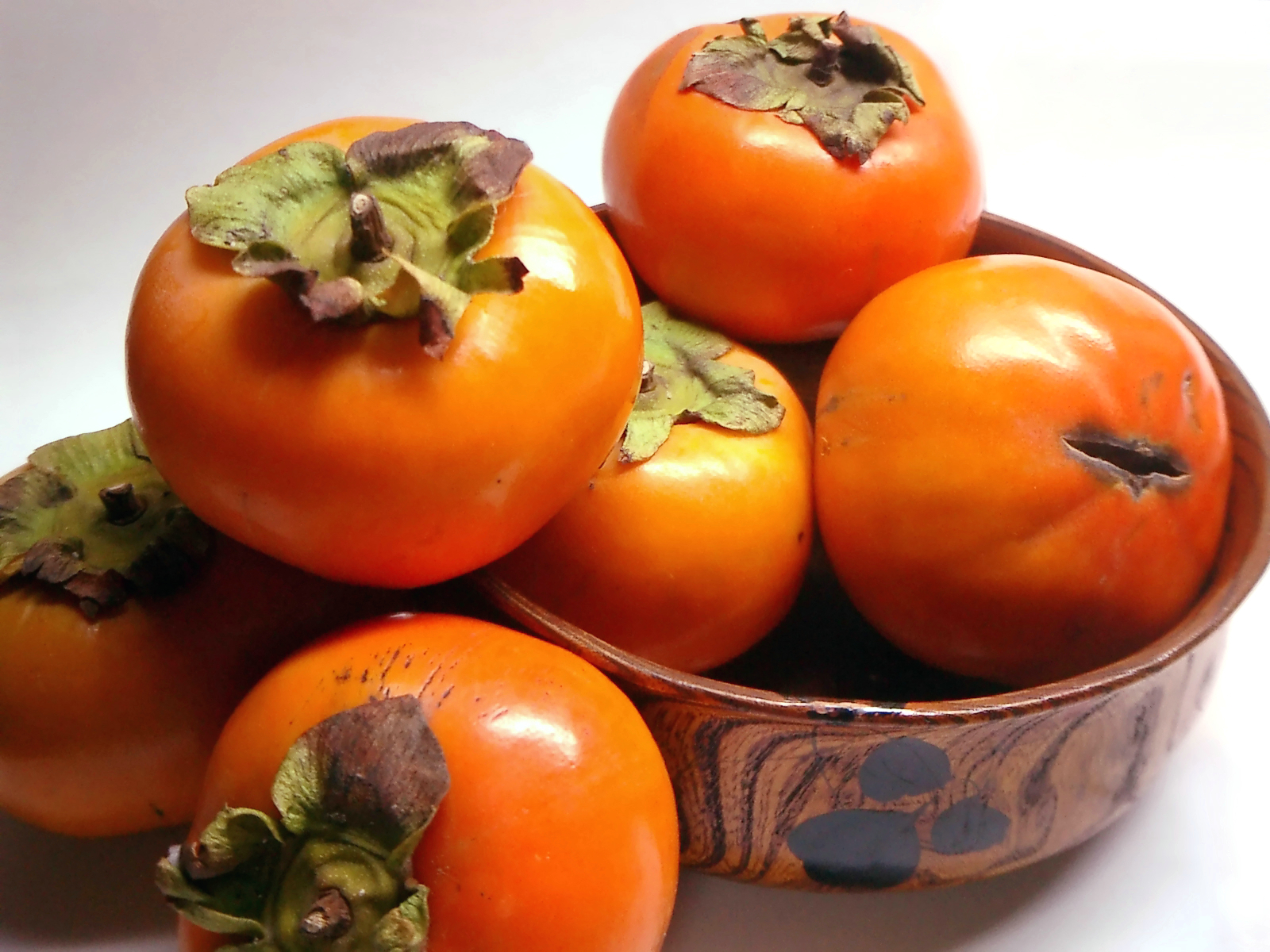
Persimmon - Another berry, persimmons are high in fiber, and antioxidants. They also provide vitamins A, C, D, iron, potassium, calcium, copper, magnesium, manganese, and iodine. Persimmons can provide a fair number of health benefits from lowering blood pressure to being cardioprotective to it's anti-tumor benefits. However, persimmons are also high in glucose and sucrose making them a poor choice for those suffering from diabetes.

Turnips - A root vegetable containing potassium, magnesium, sulfur, iron, sodium, iodine and manganese, turnips are anti-cancerous while their high fiber content make them a great choice to lower cholesterol and support a healthy digestive system. One of the great things about turnips are that you can eat the greens as well as the roots, making them a versatile food to add to your diet. And those greens are just as loaded with nutrients as the roots, containing vitamins A, C, K, and folate. Turnip greens are even high in calcium making them a good choice to support bone health.

Beetroot - Another root vegetable which has edible greens, beets are highly anti-inflammatory and support detoxification in the body. Beetroot is high in folate, manganese, fiber, potassium, and vitamin C while the greens are a great source of lutein and zeaxanthin, two phytonutrients which are especially supportive of eye health. While almost all products can be found in stores throughout the year, for freshness and higher nutritional content it is important to eat seasonally.

Adding these autumnal foods to your diet is not only tasty and easy, it's also good for you.

Korah Morrison has been working as a freelance writer for over 2 years. She writes essays on various topics at Essay-Point.com and loves her work.

photo:  Jean-Pol Grandmont

Monday, September 24, 2012

on my mind monday 09.24.12

It's never the same two weeks in a row.  A collection of what I find interesting in food, nutrition, and holistic health.  Here's what's on my mind.

Before we get into the collection of news for this week I wanted to let everyone know that the Cookie Naming Contest is still going on.  Naming suggestions have been collected for a week.  It was great fun seeing all of the responses coming in.  Entered in submission order they're available in the online survey for you to vote for your favorite cookie name which will go in my book, The Pantry Principle.  The person who submitted the winning name will also receive a batch of this cookie personally baked by me.

Placebo or not acupuncture helps with pain - A lot of people turn to acupuncture for help with a variety of issues including pain.  Because it is considered an alternative medicine practice it is not always well accepted.  However in studies covering 18,000 people it appears to have a positive benefit.  California is looking at passing legislation that would make acupuncture a required-to-be-covered health benefit.  Stay tuned to see how this treatment option may become more accepted and more available.

The benefits of middle age fitness - Just as it is with dietary changes, when making changes to your physical activity level, it's never too late.  Obviously the more you take care of your body, keep it active, feed it healthy choices, the better it will work for you.  But if you've stopped those things and want to start again...right now is the best time.  "Moving out of the least fit category [only requires] 20-30 minutes of walking on most days of the week."

Your Dental Hygienist Will Be Happy - It turns out that in addition to making them look good and helping us to have clean smelling breath, regular dental cleanings (or scalings) appear to help reduce the incidence of  strokes and other heart diseases.  Another study looked at regular brushing habits and found a positive correlation with reduced rates of dementia.  Looks like keeping those pearly whites in good shape is a significant part of your self-care health plan.

Non-vegan Bananas? - It doesn't exist yet but there's a possibility that it will.  Apparently a new coating has been developed which may extend the shelf life of fresh produce.  It's made from chitosan which is a product from the shells of shrimp and crabs.  For those people who have life threatening allergies to shellfish this is highly problematic.  Not only will it remove their ability to eat anything coated with this product.  I have to wonder about the transfer factor.  If another shopper touches that product and then touches something else will there be a transfer of the coating onto the supposedly uncoated product?  Chances are high that the answer is yes.  Given that an allergy to shellfish is one of the most common allergies in the United States, this could potentially be quite problematic.

Fall is here and in many parts of the country that means apple picking season.  Here's a fun video with a good looking recipe.  Most people think of farm to table as meaning meat products.  But it also applies to produce, herbs, and other foods.  Anything that you take straight from the producer to your home and your table.  I love the use of dates in the crust of the crumble.


Photo: mconnors

Friday, August 10, 2012

august is peachy

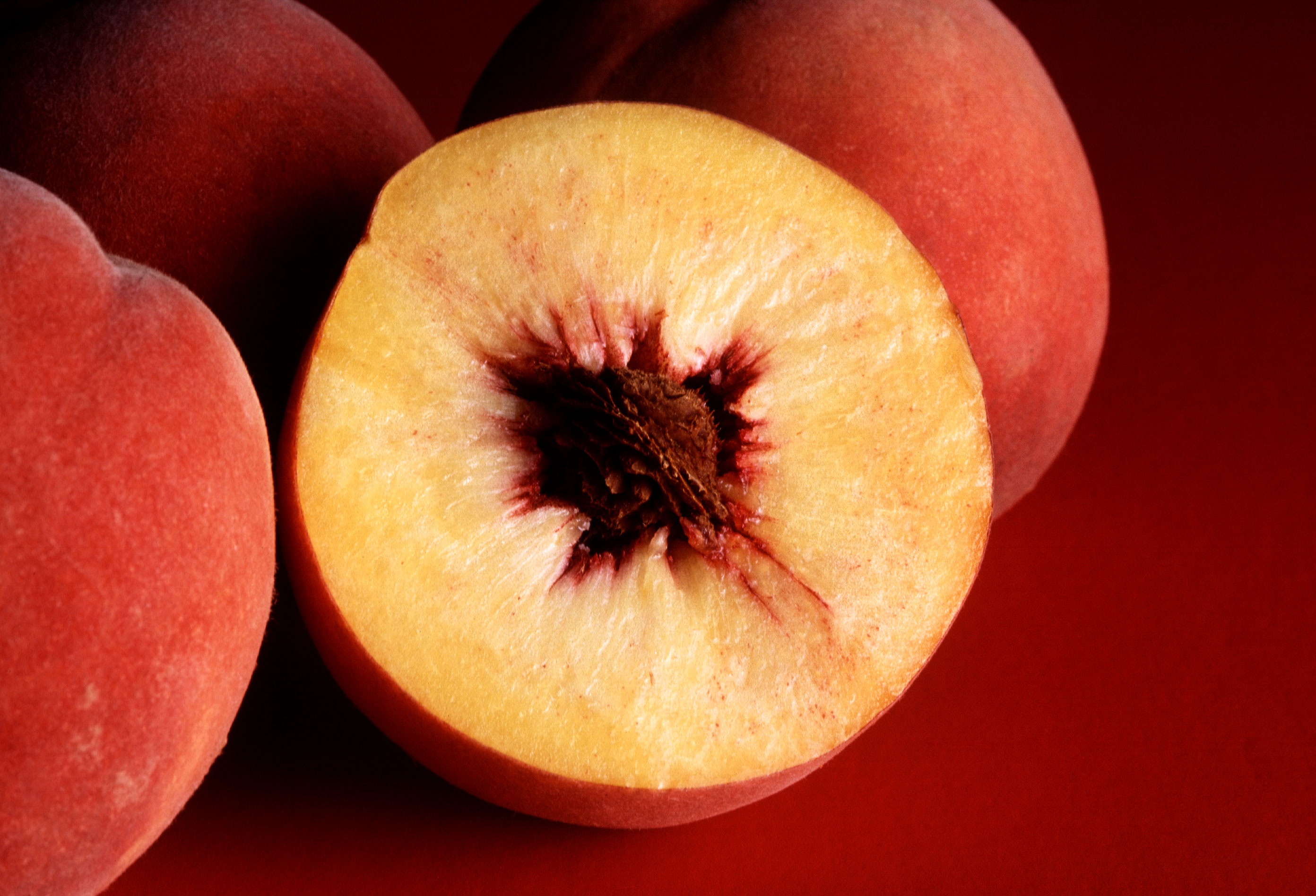
peaches | photo: Grendelkahn
August is National Peach Month.  Which makes sense considering that this is the time of year when these juicy, fragrant fruits are at their peak.  I am often tempted, when walking into the product section of the grocery store, to purchase some.  When they are ripe and particularly fragrant, even if they are not on my list, I find myself seduced by their luscious perfume into getting just a couple.  I like to serve them with a good cheese, dice them into yogurt, or just eat them fresh, the way they are.

A good source of vitamin C and A, peaches also provide a fair amount of potassium, beta-carotene (which becomes vitamin A), and fiber.  When they are ripe and juicy they are also very hydrating.

There are many different ways to use peaches and to enjoy them.  This particular recipe is from my mom.  It's simple and easy to put together and a perfect dessert after just about any meal.

Frenchtown Cobbler

The biscuit topping is from a July 1997 issue of Gourmet magazine:

5 Tablespoons cold unsalted butter
1 cup all-purpose flour
2 Tablespoons yellow cornmeal
2 Tablespoons sugar
1 1/2 teaspoons baking powder
1/2 teaspoon salt
1/2 cup milk
1/2 teaspoon vanilla

preheat oven to 375 degrees F
Cut butter in pieces
In a bowl with a pastry blender or in a food processor blend or pulse together flour, cornmeal, sugar, baking powder, salt, and butter until the mixture resembles coarse meal
If using a food processor transfer to a bowl
Add milk and vanilla and stir until the mixture forms a dough
Drop topping by rounded spoonfuls onto filling (do not completely cover it) and bake in the middle of the oven 40 minutes, or until topping is golden and cooked through.

The filling is modified from one found in the July/August 1996 Cook's Illustrated

3-4 peaches, peel, pit, and slice thick
2 cups blackberries, rinsed
Mix 2 teaspoons cornstarch, 1/3 to 1/2 cup sugar, 1 teaspoon vanilla extract, and  1 Tablespoon brandy
Toss with fruit to coat

Serve with ice cream or lightly whipped cream


Friday, August 3, 2012

national watermelon day

watermelon | photo: Beyond silence
Enrique Caruso once said, "Watermelon, it's a good fruit.  You eat, you drink, you wash your face."

One of the most alkalizing foods, watermelon is a refreshing, hydrating, low calorie wonderful addition to summertime menus.  High in vitamin A and C while also providing some magnesium and potassium, watermelon is a great antioxidant fruit.  It also provides high levels of lycopene which studies have shown to be helpful in preventing various types of cancer.
Watermelon appears to also have some effect on lowering blood pressure.

There are many delicious ways to include watermelon into your summertime menus such as making watermelon water ice or granita, making agua fresca, fruit salads, or even a savory sweet salad.  My current favorite fruit salad is rich in lycopene and anthocyanins, those dark rich fruits which are supportive of cognitive function while helping to reduce inflammation in the body.  This salad is refreshing and satisfying, I've even been including it as part of my breakfast for a delicious treat.

Anthocyanin-rich Fruit Salad

2 cups watermelon, balled
1 cup blueberries, rinsed
1 cup strawberries, rinsed and sliced
1 cup cherries, rinsed, pitted, and quartered

dressing:

zest 1 small lime
2 tablespoons fresh lime juice
2 teaspoons poppy seeds

Mix together fruits
Mix together dressing in a separate cup
Pour dressing over fruits and toss gently
Let sit 30-60 minutes in the fridge before serving


Wednesday, June 20, 2012

bubble gum flavored apples anyone?

fake apples | photo:  LeemanS
One of my readers, sent in this picture and comment/question about these apples.

"We came across these apples at Stop & Shop here in town. We could not believe our eyes when we saw flavored apples!! I told my husband to take a pic to send to you because I wasn't sure you would believe me when I tell you that they had bubblegum flavored apples. I believe there were four flavors total to choose from. 


I'm curious what your thoughts are. I walked away all kinds of confused. Was this an attempt to help kids with poor eating habits cross over the healthy eating or the other way around? How exactly did they alter this apple to make it flavored? And of course the obvious...yet another example of FAKE food.
grapples | photo: Qrd2006

Oh and as you can see it's was placed right next to the apples and the packaging says ready to eat snack.  What's so difficult about preparing an apple for eating?  hmmm you wash it?!?!"

Good eye, and good thinking.  This is very similar to something I just saw in my local grocery store called grapples.  Research indicates that the flavoring comes from "natural" (read possible MSG ingredients) and artificial flavoring. It seems that the apples are marinated for several days in an undoubtedly chemical concoction which allows the apple to soak up the flavor.  This process has apparently been approved by the FDA.

The Grapple company website assures the consumer that the product has not been genetically modified and there are no added sugars or calories.  Unfortunately there is a huge chemical load, not just from the flavorings, but one assumes these are not organic apples and therefore potentially high in pesticide residue.

The Crazy Apple company website says they can't tell you how they do it but I assume it's the same sort of process.  They do however assure you that their apples are gluten free (duh!), dairy free (again, duh!), and contain no soy or nuts.

I believe this is seen as a way to market apples to kids but I'm not really sure why this sort of adulteration is seen as a positive.  Since apples by themselves are sweet, crunchy, and tasty I'm not sure what the appeal is here.  Unfortunately I see this as a big step backwards as items like these further dull the taste buds to what food should taste like.

Update:  It turns out these apples are being spotted all over the place and most of you are not happy about it.  My friend Adrienne says, "If you want a grape flavored apple take a slice of apple and some grapes.  Eat them together.  It's a party in your mouth!"  Good advice.


Monday, March 26, 2012

on my mind monday 3.26.12

newspaper | photo:  mconnors
It's never the same two weeks in a row.  This is my snapshot of what I find interesting.  Information about health, nutrition, and/or holistic living.  Here's what's on my mind.

Methyl iodide off the market (for now) - I've been following this topic since I first found out about it at the end of 2010.  I was highly dismayed when California approved it for use in agriculture and began phasing it in.  Upset enough that our family has not eaten any strawberries coming out of California (even organic) since it was approved.  I'm happy to say that the decision to use it has been reversed.  Apparently the company made a decision to stop using it "based on it's viability in the  U.S. marketplace."  That means people made enough noise that BigAg listened.  However I still have some concerns.  the words 'U.S. marketplace' worry me because now I wonder where else they plan to peddle their poison.  I also intend to keep an eye on this to see if the company plans to try to reintroduce methyl iodide down the road after they figure the noise has died down.  Unfortunately we consumers sometimes tend to have a very short memory span.  We need to make sure that we remember this chemical and always demand that it not be used on our food.

GMO Labeling Law Wins Backing In Connecticut - Another positive moment in the press.  Some legislators in Connecticut agree that consumers have the right to know what's in their food.  Nay sayers claim that it will be more expensive for manufacturers to create two sets of packaging, one for Connecticut and one for everyone else.  My response?  Just label the stuff.  With almost half the states in the nation considering similar legislation it is not going to be long before other states follow suit.  At which point everything might as well be labeled.   Given the recent press about GMO crops being responsible for the decline in Monarch butterfly populations I believe more people are going to join the anti-GMO cause.  The eventual aim, as far as I am concerned, is not just to label (although I believe that is very important) but to stop using this technology.  In some cases considerable damage has already been done but it is never to late to stop.

This Land Is Your Land - This Time Magazine article about Joel Salatin is a great read.  He has a point of view that challenges the system but, I feel, in a good way.  He wants people to take responsibility for their food.  To stop seeing conveniently shrink wrapped packages at the food store without thinking about how they got there.  To understand the cycle of agriculture; to think about the food chain and how we consume.  We need to care, really care, about our food, where it comes from, how it gets to us, and how it's treated along the way.

Must Have Gadgets For The Kitchen - this article made me laugh because I often find myself drooling over gadgets that are one-purpose only or next to unusable for my actual kitchen needs.  Over the years I have gotten better and pared down quite a bit.  Just recently I went from three spring form pans to one (seriously, I'm not sure why I had three, I have never in my life made three cheesecakes [or anything else that required a springform pan] at the same time).  I've decided this is the foodie version of people who drool when they walk into a well-stocked hardware store.  You just envision all sorts of possibilities when confronted with all those shiny new gadgets.  I do have some kitchen tools that I will never part with but they tend to be the mainstays rather than the oddities.  My favorites?  My top electric appliances include:  KitchenAid Mixer, Cuisinart Food Processor, Immersion Blender,  and my Crockpot.  My less-than-stellar purchases?  Sadly I've made a few of those in my life because I got excited about the possibility of something and then never kept up with it.  There was the krumkake maker which is fun but I just don't use it enough, the yogurt maker which went by the wayside when I discovered that I didn't really need it, and the seed sprouter -- same deal -- I didn't really need it.  What are some of your kitchen must can/can't live withouts?


How to Save Seeds - this is something that helps plant diversity and supports backyard agriculture.   I confess to not being consistent with this, I need to work at it a bit more.


Hungry For Change - this is the new movie made by the same folks that brought you Food Matters.  For a limited time only (until March 31, 2012) you can watch a free online preview.  Definitely worth watching.  This movie talks about why so many foods are so addictive and how this is causing us to be overfed and undernourished.

disclaimer: cmp.ly/5

Tuesday, March 20, 2012

eating more

I recently got asked the question, "How do I eat more fruit and veggies, I don't think I'm eating enough?"  That's a good question.  And one that's faced by a lot of people.  Especially parents who are trying to encourage their children to eat a healthier diet.

One of the best ways I have found to encourage people to eat more fruits and vegetables is to have them on hand and convenient.  This means they are not in your fridge just rotting in the bottom of your crisper drawer.  I frequently encourage people to cut them up, prepare and make containers.  Set them out on the shelf in your fridge and it's a grab-and-go snack.  They can either be sorted by type of food or you can make "snack packs" with an assortment.  Either way if you're in the mood to munch and you open the fridge door to see a convient snack right there you may find yourself eating more healthy choices.

Another way is to add veggies to other foods.  You would not believe what gets added to my homemade spaghetti sauce.  Add shredded veggies to a lasagna.  Double the veggies in your omelette or frittata.  What about soups?  Loaded with pureed veggies, especially if it's a creamy style soup base is an easy way to boost your veggie intake without trying very hard.  The trick is to make sure that you put in things that will not overwhelm your soup.  Sharper tasting foods such as cruciferous vegetables (cabbage, cauliflower, broccoli, etc) or onions may not appeal to some.  Mucilaginous textured foods such as okra may not appeal to others.  Experiment and be mindful of what you are adding in.

Choose seasonal fruits and vegetables.  I can't stress this enough.  A tomato in season and from a farmer's market (if possible) tastes like the most delicious, amazing thing.  A tomato in the middle of winter with a waxy coating tastes like cardboard.  When foods are in season, and hopefully local, they are picked close to ripeness.  Otherwise they may be picked early, stored, and then force ripened with ethylene gas.  This forced ripening does not allow the flavor to come through, it just makes it look ripe.  If you're eating unappealing, non-tasty fruits and vegetables it does not encourage you to want to eat more.  As a side benefit, you really appreciate things when you can only have them in season.

Make different choices when you eat out.  There are tasty ways to add more veggies to your diet when you are eating out which allow you to still enjoy your dining experience but avoid getting bogged down by the simple carbs and other unhealthy choices.

Skip the juice and eat the fruit.  Did you know that it takes an average of 4 oranges to make 8 ounces of orange juice?  That's a lot of sugar and those extra calories add up pretty quickly.  It would be pretty difficult to eat four oranges in one sitting.  However each orange you eat comes with a significant amount of fiber which helps to slow down the glycemic effect.  The same is true for other juices.  Switch your juice to water (add a few slices of fruit for flavor if you like) and eat the fruit instead.

Keep a food journal.  An 8.5 x 11 sheet of paper folded into quarters gives you 8 spots to write down what you eat each day.  If you're looking to increase things like water consumption (always a good idea) and fruits and veggies set a goal for yourself and then keep track of it.  By looking back over the week you'll be able to see if you're meeting your goal and where you can make changes to increase your consumption a little at a time.

Small changes add up over time.  By making one or two adjustments you may soon find yourself eating more healthy fruits and veggies.

Monday, March 19, 2012

on my mind monday 3.19.12

newspaper | photo:  mconnor
It's never the same two weeks in a row.  This is my snapshot of what I find interesting.  Information about health, nutrition, and/or holistic living.  Here's what's on my mind.

A soda a day may increase heart attack risk - in men.  Of course we all know that soda is bad for us.  Those empty calories and negative ingredients are not good for anyone. Now there's another reason (as if you needed one) to give it up.

UN supports taxes on junk food - as a way to control how much junk food people eat, I think taxes fall far short of the bar.  Unfortunately this is also a disproportionate tax as the population most likely to eat junk food are usually shown to be those of lower income and lower food availability.  They aren't going to stop this habit just because there are taxes.  What I believe is really needed is a education about whole food nutrition and about how to eat well for health.  Many people do not understand that junk food doesn't nourish your body and how much damage it actually can do.  Until that fact is fully understood junk food consumption will continue to be a problem.

Pink Slime - This stuff has been in the news for quite some time but now, for some reason, it has taken off with the general public and there is a huge outcry.  What is it?  It's the waste trimmings and leftover bits all mulched together, treated with ammonia hydroxide and sold as meat.  Banned for human consumption in other places (where it is used in pet food) it is legal for human consumption here in the US.  A short time ago McDonald's announced that it would stop using pink slime in it's restaurants.   Other big chains followed suit.  What to do with all that pink slime?  Why sell it to school cafeterias instead.  People this stuff is GARBAGE.  It is not food.  Ammonia hydroxide is a poison and it is used to mask potential pathogens in the garbage that is masquerading as meat.  I find it astounding that some food safety experts are claiming that it is okay to eat this.  Everyone that I spoke to, once they knew what it was, said that they would not knowingly choose to eat this product.  Some said that they were highly upset at the thought that they had been eating it unknowingly.  If the thought of this product upsets you consider signing the petition against it.

DIY Yogurt - yogurt is becoming popular again.  And more people are finding out just how easy it is to make your own at home.  You can use some yogurt that has already been cultured or purchase a culture of your own from Cultures For Health.

Grapefruit is in season here in my area of the country.  I have friends who have grapefruit trees who generously share with me and I have to say there is nothing better than a tree-ripened grapefruit.  Juicy, flavorful, and just amazingly delicious.  In addition to a whopping dose of vitamin C, grapefruit can also deliver a lot of vitamin A and fiber.  It also helps to alkalize the body, believed to help reduce calcium oxalate type kidney stones.  Now I've learned that grapefruit also has narinigenin.  This flavonoid appears to support liver health, reduce triglycerides and cholesterol, and inhibits Hep C viral activity.  Rather interesting when you consider that if you are told not to consume grapefruit if taking statin drugs.


Are You A Nutrition Rockstar?

What Am I Reading? The Whole-Food Guide for Breast Cancer Survivors: A Nutritional Approach to Preventing Recurrence.  This is an amazingly informative book by Dr. Helayne Waldman and Dr. Ed Bauman.

disclaimer:  cmp.ly/5

Monday, March 5, 2012

on my mind monday 3.05.12

news | photo: mconnors
It's never the same two weeks in a row.  My snapshot of what I find interesting.  Information and news about health, nutrition and/or holistic living.  Here's what's on my mind.

Growing protein with fewer resources - There are lots of different ways to look at our protein needs and how we get them.  Algae is certainly one way which could be very sustainable; algae of all kinds can be used to provide protein for animals as well as for humans.  Many vegetarians and vegan's eat it now.  Potentially part of an aquaculture solution it would be a very efficient use of resources.  Truthfully whether you're using algae or insects (another source of efficient protein) as an alternative source of food the problem is not how much protein we produce but how we produce it.  Well that and the fact that when it comes to animal protein those of us in developed countries often consume more than we need.  Current commercial methods appear to be mostly inefficient with large scale use of fossil fuels, unhealthy (read unsanitary) conditions,  unhealthy methods (GMO feed, over use of antibiotics), and waste.   So while this is a good thing and an idea that I think is worth following, I also feel we need to look at current protein production methods and clean up after ourselves.

Monterey County Say No To Methyl Iodide - YES!  I'm so happy to see this and hope that other counties in California will follow suit.  Some of you may remember that this appeared in an OMMM post in January.  This is a horrible, known cancer-causing agent.  I'm so happy to hear that the folks in Monterrey County are standing up to BigAg and saying no.

Eating citrus fruit may lower women's stroke risk - many foods have flavonoids, antioxidants that help promote health.  Apparently the flavonoids in oranges and grapefruit, called flavanones, are especially beneficial for women in helping to prevent ischemic strokes.  It is important to note that if you are trying to increase your intake of oranges and grapefruit eating whole fruit is a better way to go.  There are approximately 5 oranges in a glass of orange juice, adding lots of sugar and not much fiber.  Eat the orange or the grapefruit and get the benefit of the vitamin C, the flavanones, and the fiber.

Seattle plants a public food forest - I'm happy to hear about more public food resources and stewardship of public lands that does not include turning it into a parking lot.  This could give a whole new meaning to the word locavore.  It will be interesting to see how this develops and how it is managed over time.  It is an added dimension to urban agriculture that I think brings a lot of benefits to the community.  Considering our shift to a more urbanized population these sorts of measures are to be welcomed and encouraged.

Push to label GMO's gains ground - I am firmly in the no-GMO camp.  I believe that they are harmful to our bodies, our planet and their use should be discontinued.  However that is a larger battle.  In the meantime I very strongly support labeling of GMOs because I believe that consumers have the right to make an informed choice when it comes to their food.  GMO producers disagree, of course, because this would, in all likelihood reduce their sales.  I hope the labeling of GMO moves forward and becomes mandatory.


Enjoy Nature

What I'm reading:

The Magnesium Miracle by Carolyn Dean.  It's been a busy week so I'm still reading this book.  Learning a lot about why magnesium is such an important mineral for our health.  For example, it turns out that magnesium is important in helping to support health when it comes to osteoporosis.  So it's not just calcium, we also need to be looking at our magnesium levels.

Thursday, December 29, 2011

luscious lemon

Around this time last year I bought some fruit trees at the local County Extension Service Master Gardener's Sale.  One was a lemon.  All year long we've been watching the tree grow.  It produced just one lonely lemon fruit of enormous proportions - you can see it in it's growing phase here.  We have been waiting for it to ripen.

Today was the day.  Yellow all the way down, smelling fragrantly of....grapefruit?  We decided that this was the perfect time to harvest our one and only lemon.

Turns out it really is a lemon, in spite of the grapefruit-y aroma.  It's huge and juicy, and the flavor is definitely that of lemon.  We all stood around eating small bites of it.  We decided that it's not quite as tart as most lemons, still a bit puckery, however there is a hint of sweetness to it.


As you can see it has an amazing amount of seeds in it.  We're trying to decide if this is normal for this lemon or if it's just because there was only one fruit.

My hope is that next year we will have more lemons as the tree matures, and each year after that even more.  I have a friend whose 12 year old lemon tree is so productive she mails boxes to relatives every year.  For us even this one lemon is a delight.  It was a great moment to harvest, yet again, something that we grew and all marvel at the fact that we produced something of our very own (with the help of Mother Nature of course) from our teeny-tiny backyard.

 As I write this I am enjoying a cup of darjeeling tea with a slice of lemon and somehow, because it came from my garden?, it just tastes better.

Wednesday, October 12, 2011

grocery savings

This is a picture from my local grocery store.  I'm posting it as a public service so I can help you save money.

Grocers and producers have learned that the public is becoming more and more comfortable with the idea of paying more for organic food.  If they think you'll buy it, they'll make it and sell it to you.  The challenge is to be a smart shopper and know when you should and shouldn't spend those extra dollars.

The Environmental Working Group has put together this handy little list that you can download to paper, ipod, iphone, whatever to take to the grocery store with you.  It lists the Dirty Dozen, those foods most highly contaminated by pesticides and therefore worth spending extra money on to purchase organic.  This is because organic standards do not allow the use of chemical pesticides.

There's another side to the list though, it's call the Clean Fifteen.  These are the foods least likely to be contaminated by pesticides and therefore not worth shelling out extra dollars for.  My only change to this list would be corn which is often genetically modified, so I'd still buy that either organic or if you know the farmer and can ask them if it's non-GMO.  Essentially foods with a shell or outer covering are good choices to not have to purchase organic.  That would include bananas.

So save your money on the organic bananas (20 cents per pound at my grocery store) and put that money toward those foods that are important to purchase organically.

Sunday, September 25, 2011

persimmon raisin muffins

Persimmons | photo: Tomomarusan
It's persimmon season.  I love these tasty little fruits, with their rich fragrant scent and amazing flavor.  Luckily for me there is a pick your own place not too far away.  Each year I go and pick pounds and pounds of them.  I eat as many as I can before they get so ripe and so soft that they are in danger of sliding out of the fruit bowl and off the counter.  They have to be pretty soft before they are ripe enough to eat so this window is pretty small.

When I get to this point I turn the rest into pulp to store in the freezer.  This allows me to make cakes, cookies, and other persimmon delights for as long as the supply lasts. Apparently you can make jam from persimmons but I somehow never seem to get around to doing that.  I'm also not sure if I would use it as I'm currently the only one in the house who likes persimmons.

One of my favorite things to bake with persimmons are these muffins.  They're a great treat with a rich dark flavor that is so reminiscent of the crisp fall weather.  I'm sure they would freeze well but somehow they've never lasted long enough for me to test that theory.

Persimmon Raisin Muffins

3 cups white whole wheat flour
1 teaspoon cinnamon
1/2 teaspoon nutmeg
1 teaspoon baking soda
½ teaspoon baking powder
1 teaspoon sea salt
1 cup persimmon pulp
1 egg
1 cup sucanat
1 tablespoon vanilla
1 cup raisins
1 cup chopped pecans

Preheat oven to 375°F
Grease loaf pans
Sift together flour, cinnamon, nutmeg, baking soda, baking powder and salt
In a separate bowl beat egg, add persimmon pulp and sucanat
Add vanilla, raisins and pecans
Add sifted ingredients and mix well
Spoon into greased muffin tins
Bake 15 minutes or until tops spring back when tapped
Remove from oven and cool in tins 3-4 minutes before moving to wire rack
Finish cooling on wire rack

Wednesday, August 31, 2011

raspberry vinegar

raspberry | photo: BraveNewWorld
Raspberries are coming in to season.  Their fragrant luscious aroma greets me every time I walk into the produce section of my local grocery store.  And their plump juicy red fruit temps me.  I love raspberries and truly miss the raspberry bed I had in Connecticut.  It was stocked with four different varieties each bearing at a different time pretty much ensuring a summer full of fresh flavorful berries.

Sadly the drought here in Texas has done a number to my fruit bushes.  The trees seem to be holding their own but the elderberries, raspberries, blackberries, blueberries and goji berries are all shriveled and I'm not sure they're going to make it.

Raspberries are such a wonderful fruit because not only are they so tasty, they're so versatile.  They go great in fruit salads, eaten fresh, baked into scones or crumbles, on top of oatmeal, in a smoothie, the list goes on.  Plus 1/2 C. provides 4 g. of fiber, over 25% of your DV for vitamin C and just over 20% of your DV for manganese.

One of my favorite, extravagant ways to use raspberries is to make a raspberry vinegar.  This way I can enjoy that fragrant summer flavor all year long.

This is my favorite recipe from Fancy Pantry which is one of my best-loved preserving cookbooks.

Red Raspberry Vinegar

8 C. raspberries, cleaned, rinsed and drained
3 C. white wine vinegar

The recipe calls for the raspberries to be used in two portions.  You can freeze 4 C. for later.
Crush 4 C. raspberries and place them in a sterilized, heatproof 2 quart jar
Add vinegar and and cover the jar
set the jar in a deep saucepan and fill with water to come halfway up the jar
set over medium heat and bring the water to a boil
Reduce the heat and keep the water simmering for 20 minutes
Remove the jar and set aside, uncovered to cool the contents
When cool, add a lid to the jar and set it aside
Shake the jar every day for 2 weeks
Strain the jar to remove old raspberries, it is okay to lightly press the berries to extract all the juice
Crush 4 C. raspberries and pour infused vinegar over them
Repeat the scalding as done above
Let the vinegar rest for two weeks, shaking every day
Strain the vinegar discarding the fruit, it is okay to lightly press the berries to extract all the juice
Line a funnel with an unbleached coffee filter and place in a sterilized bottle
Filter the vinegar into the bottle
Cap or cork the bottle and store in a cool dark pantry

Note: the vinegar may develop sediment as it stands, this is okay but the vinegar can be re-filtered if you wish


Thursday, June 30, 2011

blueberry bliss

I recently went blueberry picking with a friend.  We went to our local blueberry orchard, Moorhead's Blueberry Farm.  The owner, Sid, told us that his dad started the place 35 years ago and he worked there every summer as a kid.  Now he owns it and works there every day during the season.  They don't use chemical pesticides or fertilizers which is a plus in my book.*

These bushes were fabulous!  Over six feet tall and loaded with berries.  In just 30 short minutes I managed to pick two and a half pounds of plump delicious berries.  As I was picking I was hearing parents with small children scattered throughout the field.  I laughed to myself as I remembered blueberry picking with my girls when they were little.  The three of them were more interested in eating the berries.  They would pick for a while, eating as they picked, and then when they were tired of picking they would come raid my blueberry bucket for handfuls of sweet berries.  Quite frankly I never managed to pick enough to satisfy three hungry tummies and have some for home.  I often had to go back without them in order to have a reasonable amount of berries.

I consider blueberries super-fruits, very high in antioxidants they are one of the few native American fruits.  I've written about some of their health benefits in the past.  New research appears to show that higher consumption of blueberries may be helpful in warding off conditions such as Alzheimers and Parkinson's as well as improving general cognitive function in aging adults.

Whatever their health benefits, no one can deny that they taste wonderful.  After my husband and teenaged daughter plundered the batch I brought home I had just enough left to make a gluten free blueberry coffee cake.  Obviously I'm going to have to go back for more....I guess some things never change.

Gluten Free Blueberry Coffee Cake

Preheat oven to 350 F
grease and flour a 9 x 9 baking pan

1 C. buckwheat flour
1 C. gluten free oat flour
1 C. evaporated cane juice crystals
1 t. baking powder
1/2 t. sea salt
1/4 t. baking soda
1 C. blueberries
1 C. chocolate chips
4 T. butter, cold
1/2 C. Greek yogurt
1/2 C. unsweetened almond milk
1 large egg
1 t. pure vanilla extract

topping:

1/2 C. gluten free rolled oats
1 t. cinnamon
1/2 C. evaporated cane juice crystals
1/4 c. chopped walnuts
1 t. pure vanilla extract


Mix together all of the dried ingredients
Shred butter into flour mixture using the large side of a box grater
Mix butter into the flour mixture with your hands until the mixture resembles coarse crumbs
Add blueberries and chocolate chips and toss well to coat
In a separate bowl mix together yogurt, almond milk, egg, and extract, blend well
Pour liquid ingredients into dry ingredients and quickly blend together, do not overmix the batter
In a separate bowl mix together topping ingredients
Spread topping evenly on the coffee cake
Bake for 25-30 minutes until the top of the coffee cake springs back lightly when tapped
Remove from oven and cool
Serve warm or room temperature


*Sid did share that he uses roundup for weed control (obviously not on the blueberries) because it is  a short-lived weed killer.  I'm hopeful that he will consider switching to something else like vinegar which is shown to be effective. 

Monday, May 30, 2011

seasonal eating

fresh tomato | photo: xandert
I regularly teach a class on seasonal eating.  What the benefits are and why we should look to consume more seasonal (and local) produce.   Obviously part of the benefit is that seasonal foods are picked when they are fully ripe, especially if they are local, rather than being picked under-ripe and either stored or transported before being force ripened.  This means that the nutritive value of the food is fully developed as well as it's flavor.  Anyone who has ever eaten a truly fresh tomato knows what I am talking about.  Eating seasonal, locally produced fruits and vegetables also helps reduce the environmental impact of your food.  If you think about it, why eat tomatoes from 2,000 miles away when you can get better tasting ones closer to home without burning massive amounts of fossil fuels?

At my last class I got a question that I've gotten a couple of times before and I wanted to address it because I think it's an issue that tends to get a little confusing for folks sometimes.  It's about the seasonality of food.  I live in the Eastern Piney Woods region of Texas.  We have a very different growing season here compared to most of the rest of the country, with the equivalent of two spring-like seasons with a very hot season sandwiched in between.  Learning to grow food here has proven to be a bit of a challenge as I was raised in Connecticut.  Luckily I have several local CSAs and Farmer's Markets that help supplement our supply of seasonal foods with their expert skills.

This season is vastly different than what we experienced when our family lived in Vermont.  I remember once taking a garden tour with Shepherd Ogden, President and Founder of The Cook's Garden seed company, who jokingly claimed that Vermont should be renamed the Green Tomato State since the growing season was so short.

So the question that comes up is about what constitutes a season.  The answer?  Well, it depends on where you are living.  I think the first, most important place to start is to understand the concept of seasonal eating and decide if this is something that you want to follow.  We try to do so in our house for most things because we then get the ripest, best tasting produce by waiting for the season.  It also means that we more fully appreciate our food by having to wait for it.  I'm going to be honest and put in a disclaimer here to say that there are certain foods that we do not eat seasonally because we use them too much (such as onions, garlic, carrots, and celery) but in general we eat berries in the spring and summer, squashes in the winter and so on.

In addition to learning to appreciate the seasonality of your food you need to learn what exactly your seasons are.  The National Resources Defense Council has made it easy by putting together a Smarter Living - Eat Local web page.  It even has a helpful Farmer's Market listing which, while it doesn't list all Farmer's Markets (at least not in my area) should be good enough to get you started.

If you want to learn more about seasonal and local eating here are some great books to get you started:


Friday, April 22, 2011

the high density orchard

Indus Valley Sustainable Living Institute
Recently I visited the Indus Valley Sustainable Living Institute run by my friend Priyanka.  It was wonderful to see all the amazing things that they do there and learn about recycling and reusing on a bigger scale.  One of their tag lines is "eco-logical design."  I love it.  What a perfect phrase and concept for living sustainably and in harmony with our environment.

While I was there I was able to see the high density orchard.  It's amazing to see all the different fruit trees that are planted in a very small space.   They can be grown closer together in part because there is no need to plant them wide enough for commercial machinery to get through for harvesting.  There's also no need to prune/thin to maximize production.  The trees will be shaped to make getting through the orchard and around the trees easier, but they will produce enough to be sustainable.

I was very happy to see the way the orchard was laid out.  Priyanka shared that they have 6 citrus, 3 figs, 3 persimmons, an avocado, 2 apples, 4 bananas, an olive, two pomegranates a loquat, black berries, blueberries, grapes, strawberries, and "a few more growing around here."  Their combined orchard and vegetable garden is all in within a 1/6 acre piece of the 1.25 acres that encompass the property.

It made me realize that what we are doing with our little 1/4 acre property is just right, at least for us.  It also made me realize that yes I can have an avocado if I simply move the butterfly ginger just a pinch to the right.  Another interesting concept was that in the orchard squashes were growing in between the trees.  Priyanka told me that many times vines are encouraged to grow up the tree trunks as a means of support.  I think that's great and plan to figure out how I can protect baby squash from the ravages of my little terrier-mix puppy and try to put some in there.

Having your own vegetables and fruit is a great way to connect with your food.  On a very basic level there is just something fabulous about picking tomatoes and basil from your own garden to toss into the pan and make a meal.

I have been using Mel Bartholomew's Square Foot Gardening for years.  It's been great and allows me to grow a large number of vegetables in a relatively small space.  For those who don't have a yard, container gardening can be the way to go.  There is quite a lot that can actually be grown in containers and a well done container garden is very attractive.  From Container to Kitchen, The Vegetables Gardener's Container Bible, and Bountiful Container are all good choices to help you get started with container food and herb gardening.

Another good book is Rosalind Creasy's Edible Landscaping.  With a lot of great information about incorporating food plants into the garden in an aesthetic and pleasing way it's a good resource and has a lot of useful ideas for those of us (okay mostly me) who aren't good at landscape design.

While there isn't a similar book that is specifically focussed on growing fruit trees and bushes there are a number of books related to small scale homesteading.  These include The Backyard Homestead, Mini Farming, and The Practical Homestead. I'm going to check them out and see if there is information there that I can pass along.

In the meantime if you garden, in the yard, in a container, on your windowsill, I'd love to hear about it.

Saturday, May 22, 2010

agua fresca

Spanish for fresh waters this is a refreshing summer drink with origins in Mexico where it is sold by street vendors.  Sometimes you can find agua fresca in large containers in South and Central American stores or restaurants where it is ladled out by the glassful.  A great drink for warm weather it's a hydrating and satisfying thirst quencher that is much better than soda or over-sugared bottled drinks and fountain drinks.


Agua frescas are usually made with fruit, lime juice, sugar and water.  Watermelon, canteloupe, strawberry, pineapple, and tamarind are popular flavors.  When you make them at home the ingredients can be adjusted to account for the sweetness of the fruit you are using and for personal taste.  I rarely add sugar because I find that the fruits are sweet enough on their own.


I love using watermelon in agua frescas.  Luciano Pavarotti once said, "Watermelon, it's a great fruit. You eat, you drink, you wash your face."  High in vitamin C  and lycopene watermelon is also rich in the electrolytes potassium  and sodium which makes it a fabulous choice for summer time when we tend to lose a lot of electrolytes through perspiration.


Today I'll be making a watermelon-strawberry agua fresca, here's my recipe:


Agua Fresca
(makes 4 servings)


2 C. strawberries, dehulled
3 C. watermelon, removed from the rind and pitted
juice of 1/2 a lime
1/3-1/2 C. of ice cold water


Place berries, watermelon and lime juice in a blender
Blend until well mixed
Strain through a medium sieve colander to remove any chunks or seeds that escaped the pitting proccess
Add water until you reach a consistency that you prefer
Enjoy!


Some people like it a little sweeter. Taste carefully before adding sweetener, you should not need more than one or two tablespoons of sugar or a few drops of liquid stevia.


photo courtesy of Steve Evans | Wikimedia Commons

Tuesday, May 11, 2010

making homemade jam

Josh wrote in and wondered, "We just made some strawberry jam. Best jelly I've ever had. Do you know if you have to use such a huge amount of sugar? The basic recipe we used was adamant not to adjust or the jam would not set properly."


Strawberries are very low in pectin so you do need to add a fair amount of sugar to get them to set. If you use less sugar they will not set. You can try using some strawberries that are not fully ripe and still have the white tips but I have had hit-or-miss success with this method.


One way to vary the amount of sugar, especially if you are not using pectin, is to mix the strawberries with a higher pectin fruit such as apples, blackberries, crab apples, cranberries, gooseberries, grapes, or citrus peel.  This works for any low pectin fruit such as apricots, blueberries, peaches, pears, rhubarb, and raspberries.


If you are willing to use pectin you can use a commercial variety, and there are some low sugar ones out there, but another option is to make your own homemade pectin using apples or lemons. There are excellent directions in the book "Preserving Memories" by Judy Glattstein (who I confess is my mother and an excellent canner).


There are recipes that talk about using honey or other sweeteners but I find that most of them call for gelatin which I prefer not to use.

Monday, April 12, 2010

chayote squash

I recently had a wonderful sandwich made with a soft cheese and raw chayote squash on a crusty french bread.  The crisp fresh flavor of the chayote complimented the soft cheese and gave the sandwich a wonderful consistency.


Chayote (pronounced chai-oh-tee) is a member of the curcurbitaceae family, which also includes melons, cucumbers, and squash.  Sometimes call a pear squash it can be eaten either raw or cooked.


Nutritionally it is an excellent addition to your diet, being very low in calories, only 25 per cup, with a high level of vitamin C, folate, and manganese (a mineral that is important for bone growth).  That one cup also provides a modest amount of protein and 2 grams of fiber.  It is believed to have diuretic properties and apparently there are Central American cultures that use it to treat kidney stones and other urinary disorders.


Currently at their peak they can be added to a wide range of raw salads or cooked dishes.  Consider trying this wonderful recipe from Epicurious.


When choosing a chayote in the grocery store or farmer's market make sure to choose a firm unblemished fruit.


photo courtesy of David Monniaux | Wikimedia Commons