It's never the same two weeks in a row. A collection of what I find interesting in the world of food, nutrition, and holistic health. Here's what's on my mind.
Dehydration can affect your thinking - In addition to all of the other ill effects of dehydration now there's one more to add to the list. It can affect your cognitive processing. This can become an issue as we age since our thirst mechanism can decline over time. As the saying goes, "If you're thirsty, you're already down a quart." While that may or may not be entirely accurate, it is true that by the time you feel thirsty your body is already somewhat dehydrated. Avoid this by getting into the habit of sipping throughout the day to stay well hydrated and healthy.
Seven Steps For Instant Calm - In our busy, over-scheduled, modern lives we often find ourselves feeling overwhelmed and stressed out. Here are some simple tips to remind us of those small things that we can do to help us recenter.
Why We Get Colds - There are actually a number of reasons why this happens, we're run down or our immune system is low, we're overweight, or we consume too much sugar (it suppresses the immune system). It turns out that cold viruses also do better when humidity levels are low. To help support the immune system consider adding more garlic to your diet, getting off the couch, checking your vitamin D levels, and cutting back on sugar.
Sugary drinks cause weight gain - I'm a little surprised that anyone thinks we still need to do studies on this. Sugary drinks are nothing more than liquid candy. They represent empty calories that do are not filling and contribute excess intake without any nutritional content whatsoever. I wonder if they keep doing studies on this because so many of us are so addicted to our sugary drinks that we keep hoping for a different answer.
An old-fashioned drink is back in style - Mead is making headlines. Made from a honey base it has a unique flavor, just like wine or beer, depending on where it's made and the ingredients that go into it. While I've not made it nor tasted it, this certainly sounds interesting and I'll be watching to see if this is another locavore food trend that spread across the country.
photo: mconnors
Showing posts with label immune system. Show all posts
Monday, October 15, 2012
Monday, February 27, 2012
on my mind monday 2.27.12
![]() |
| newspaper | photo: mconnors |
Three weight loss drugs make second bid for FDA approval - I'm not a huge fan of weight loss drugs (no surprise there). Unfortunately many of them are stimulants and easily abused. The other problem is that even though they often come with some sort of documentation about meal plans they do not, in my opinion, adequately address educating people about understanding nutrition and specifically understanding their eating habits and how they contribute to their overweight. We are surrounded with generalized statements but often nothing to support lifelong habit and thought changes. This is why people yo-yo, they haven't learned how to meet their own needs when it comes to their diet. I do hope these products will continue to be refused approval.
A connection between superbugs and antibiotic use in livestock - it frustrates and infuriates me that over 70% of our antibiotics are used in livestock feed and yet the industry refuses to see a connection between that usage and the rampant increase of superbugs. Well, now we have PigMRSA to prove the point. How to avoid antibiotics in your food? Unfortunately there is no labeling requirement that shows how much antibiotic the animal on your plate has eaten. The only way to avoid it is to choose meat marked "natural" and labeled with the statement that it does not contain hormones, antibiotics or preservatives. This label however is not regulated. A better option, if the budget will allow, is to choose organic meat, dairy, and eggs. This is a regulated label and the animal is not allowed by law to have antibiotics, GMO feed, hormones, or preservatives.
In a Squeaky-Clean World, a Worm Might Help Fight Disease - in a nutshell this article talks about the possibility of pig whipworms being helpful in stimulating the immune system. Here we have yet another scientist looking at the Hygiene Hypothesis which I wrote about here and here. This is a different take on adding organisms to the body to support health. Another one that has gained some attention recently is fecal bacteriotherapy which appears to be helpful in remitting C. Difficile infections and a variety of Irritable Bowel Diseases. While I'm not certain that in our modern culture many people would be open to the idea of either of these therapies, they certainly seem to point to a need to stop being so hyper-clean. The antibacterial everything in our environment may actually make us more sick in the long run. Consider a return to good old-fashioned soap and water.
Antibiotics don't work for most sinus infections - Unfortunately we have become accustomed to taking antibiotics for everything. As a result many of us are walking around with weakened, overwhelmed, inflamed guts that do not have adequate probiotic colonies to support good health. If you have to take an antibiotic, seriously consider if it is necessary before just popping those pills. And don't forget to take a good probiotic with your antibiotics to replenish the good bacteria which are being wiped out right along with the bad. I often suggest that people take probiotic supplements for 60 days after their last dose of antibiotic.
Someone asked for a suggestion for probiotics: One probiotic that I like a lot is Innate Response's Flora 20-14 Ultra Strength. With 20 billion CFUs in 14 different clinically proven strains, this is a supportive supplement to recolonize your gut. It can be purchased at a discount through my Virtual Dispensary please contact me for your access code.
This commercial was seen during the Superbowl. I think it's sweet but also carries a powerful message. I just found out that all proceeds of the song, The Scientist, available on iTunes, go to the Chipotle Cultivate Foundation, an organization dedicated toward helping to create more sustainable food and support farmers. That's a mission that I can believe in.
Why we must occuppy our food supply - Willie Nelson and Anna Lappe tell it like it is
I like Mark Bittman and watch his youtube channel a lot. I also happen to love both clementines (which are still easily available here in TX) and clafoutis. So this looks like a great combination for a simple dessert that makes use of seasonal ingredients.
What I'm reading:
The Magnesium Miracle - This book highlights how important this essential nutrient is to our health. Magnesium is important for heart health, weight management, diabetes, mental health and more. As a matter of fact the book lists over twenty-five conditions that are related to magnesium deficiency. It also talks about magnesium in synergy with other minerals and ways to get more magnesium into our system. I've known for a long time that many people are walking around deficient in magnesium. I'm enjoying this book and learning already.
disclosure: cmp.ly/5
Monday, January 16, 2012
colic and probiotics
![]() |
| crying newborn | photo: Melimama |
Strong and diverse health does more than protect against allergies. It is also important for babies when it comes to colic. Colic is believed to affect as many as 1/3 of all babies. There does not appear to be a difference between those babies that are breast fed and those which are bottle fed. There are many different theories as to the cause of colic and it's important to note that no one knows for certain. Given that we are bio-individual creatures it's likely that there are multiple reasons. Dietarily there appears to be some success for a large number of babies when lactose (milk sugar) is removed from their diet. These babies have what is referred to as lactose overload, or functional lactase insufficiency. In plain English, they are not producing enough lactase (the enzyme which breaks down the lactose) and this causes gastric distress. This is not lactose intolerance, but rather the undeveloped digestive system not having enough lactase; this situation does correct itself over time.
Over the past few years the health of the intestinal eco-system has come under scrutiny as a possible reason for colic. Back in 2009 researchers at the Texas Health Science Center (THSC) in Houston found a connection between gut health and colic. The study seemed to indicate a correlation between bacterial balance and colic. Although the initial study was a small one, all the colicky infants tested positive for Klebsiella, a bacteria which is often found in the mouth and intestines of adults. The study concluded, "Infants with colic, a condition previously believed to be nonorganic in nature, have evidence of intestinal neutrophilic infiltration and a less diverse fecal microflora." (the less diverse microflora theory was shown to be true in the Sweden study mentioned above.)
Now another, study published in the journal BMC Microbiology in June 2011, appears to show positive results for inoculating with beneficial bacteria, such as lactobacillus. In this study two strains of lactobacillus had positive, antimicrobial effects. Studies are continuing to see which strains are best; I assume the studies will also look at how to best deliver probiotics to the infant without overwhelming their system.
I know many mothers add higher levels of probiotic foods to their diet in order to help their own immune systems be as strong as possible. I also know some mothers who have used liquid probiotics and put it on their nipples just before breast feeding in order to help the infant get some beneficial effect. If you feel it would be beneficial to add probiotics to the diet of your infant child it's important to let your health care professional know. If you are working with a lactation specialist let them know as well.
One thing that neither of these studies addresses is the gut health of the mother. As I've mentioned before, Dr. Natasha Campbell-McBride points out that most gut disturbances tend to be generational disorders. It is highly beneficial for the mother to have a strong bacterial eco-system, this is what gets passed along to the infant and what helps to inoculate them during a natural birthing process. For all of us, having a strong, diverse, healthy gut is important to health. Now it looks like it's even more important to support the health of future generations.
Klebsiella study: http://www.ei-resource.org/news/irritable-bowel-syndrome-news/klebsiella-bacteria-linked-to-infant-colic-and-irritable-bowel-syndrome/
Lactobacillus study: http://www.biomedcentral.com/1471-2180/11/157/abstract/
Friday, January 13, 2012
gut health linked to allergies
![]() |
| probiotic - lactobacillus bulgaricus | photo: Gengiskanhg |
This is of interest for a number of reasons. One, it appears to back up the Hygiene Hypothesis. This is the idea that if our environment is too clean it doesn't provide the diversity we need and also encourages the body to attack "harmless antigens." Two, it provides further information about the role of certain beneficial bacteria. Examples included proteobacteria protecting against allergies while bacteroides appear to be useful against inflammation. Three, it shows, yet again, the connection between the gut and health. Four, it highlights, to me, the dangers of the over-use of antibiotics. I have written briefly about antibiotics in our food supply here and here.
The more antibiotics that appear in our food system, the higher the toll they take on our bodies. Dr. Natasha Campbell-McBride, author of Gut and Psychology Syndrome
What does all of this mean? In addition to cleaning up our irresponsible use of antibiotics in the food supply, it also means that we need to do what we can to ensure a strong, healthy eco-system in our gut. We need to create a rich supply of diverse prebiotic and probiotic colonies. How to accomplish this? Adding fermented foods to the diet such as kefir is a good start. Other fermented foods could include yogurt and kombucha. Also eating a diet high in fiber, especially soluble fibers which are fermented by the bacteria in the gut will help. Should you require taking antibiotics it is vitally important that you take them as prescribed and finish the dose to avoid creating resistant bacteria. You will also need to re-inoculate your system by taking probiotics (antibiotics wipe out both good and bad bacteria).
While this study from Sweden highlighted the benefits of a richly diverse gut colony in infants for protecting them against allergies, I feel that supporting the gut at any time is beneficial. I believe probiotic support can go a long way toward helping to regain or maintain healthy gut function.
disclosure: cmp.ly/5
Monday, December 5, 2011
the hygiene hypothesis
![]() |
| washing hands | photo: Lars Klintwall Malmqvist |
One reason put forward is that as we have become more focused on cleanliness, to the point where we have created problems. Overuse of antibiotic cleansers has reduced our exposure to pathogens, or germs, in our environment. Because our bodies have been designed to fight these germs, to develop a healthy immune system, when we severely reduce our environmental exposures it is theorized that our bodies over-react. They become sensitive to increasingly more substances, most of them environmental or food exposures. As odd as it may sound, the research supports this. Studies show that children who grow up in rural areas, especially non-Westernized countries, with more exposure to a wider range of microbes, have a vastly reduced rate of allergies.
Of increasing interest to me is the concept that this hyper-clean state that we've created has affected our intestinal health which in turns leads to more problems. Gary Huffnagle, co-author of the The Probiotics Revolution
Part of the reason that this is of so fascinating to me is because in working with clients I am also seeing more and more digestive health issues. And I believe the numbers are rising. More leaky gut, more IBS, IBD, more dysbiosis. Dr. Liz Lipski, author of Digestive Wellness
In order to support our health we need to stop killing off our symbiotic partners, those bacteria that inhabit our gut, through overuse of antibiotic and antibacterial products. We also need to feed and support these probiotic colonies. What do they eat? Prebiotics. Their food comes from insoluble fibers found in our food. Berries, onions, legumes, oatmeal, and other whole grains support not only the probiotic bacteria, but also help maintain good bowel health. We also need to re-inoculate our systems with a steady supply of healthy bacterial colonies. Those are found in fermented foods such as kefir, kombucha, and kimchi. Not that we need to eat an overwhelming amount of these on a regular basis, but they should be a regular part of our diet.
Research does not, as yet, appear to show how much we can reverse the affect on our immune systems, but we certainly can keep it from continuing to decline. Dr. Natasha Campbell McBride, at the recent Wise Traditions Conference in Dallas, stated, "We are a shell, a habitat for our eco-system." We need to suport our eco-system. We can also protect future generations by focusing on and acknowledging that that eco-system needs to be fully supported in order to function properly.
Monday, March 28, 2011
eat white food
I frequently spend a lot of time asking people to eat the colors of the rainbow. There are so many tasty colorful foods that I am at a loss to understand how the Standard American Diet came to be mostly beige. On my Facebook Fan Page I often push colorful foods. For the most part this means fruits and vegetables that are higher in nutrients, tasty and easy to incorporate into the diet in their whole food form.
Today however I'm here to advocate for white foods; at least some of them. I'll still be one of the first to tell you that white rice, white pasta, white bread, white potatoes and that ilk are primarily simple carbs and not a great choice. But there are some other white foods that are fabulous and should definitely be part of your nutritionally dense, healthy eating plan.
Cauliflower - A cruciferous vegetable that is loaded with vitamin C, cauliflower also provides vitamin K, and some folate. It's also got a type of phytonutrient called glucosinolates which are a good choice for detoxification activity within our bodies. Antioxidant and anti-inflammatory properties make cauliflower high on the list for cancer prevention and heart health while it's high levels of fiber make it a great choice for supporting healthy digestion. You can eat it raw, steamed, baked, roasted, and cooked. Don't forget about the greens, these are also edible and make a great addition to a stir fry or curried greens.

Parsnips - A root vegetable that is loaded with fiber, parsnips also provide vitamin C, vitamin K and folate. They have a wonderful mineral content that includes calcium (yes folks, 1 C. of parsnips gives you 5% of your RDV for calcium), magnesium, phosphorus, potassium, and manganese. I've read that before people knew that potatoes were edible, parsnips were one of the prized root vegetable for their mild, delicious flavor. They can be eaten raw, cooked, mashed, steamed, and make a wonderful addition to a root vegetable medley or a carrot, sweet potato, parsnip latke.
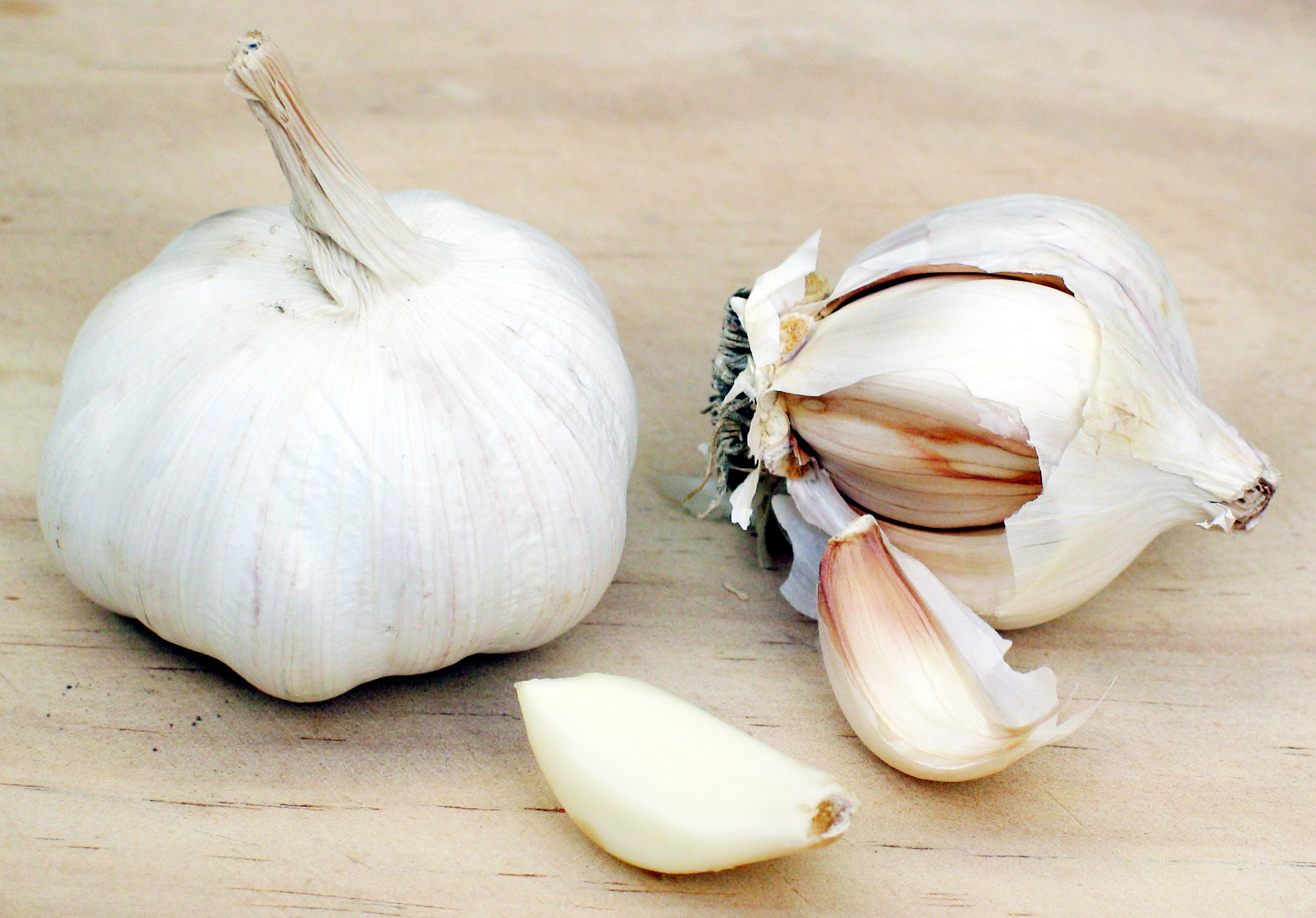
Garlic - Another wonderful root vegetable garlic is a fabulous antiviral, antibacterial, antifungal, cancer fighting, immune system boosting food that needs to be a part of your diet. If chopped and let to sit for a few minutes oxidization boosts the powerful antioxidant allicins. Many people, myself included, when feeling a little under the weather, will chop a clove or two of garlic and swallow it down raw (do not do this on an empty stomach as it may cause digestive upset). Delicious, healthy, easy to use in a vast array of dishes, it's one white vegetable that belongs in your pantry. As tasty as it is, it's no wonder that there's a recipe for chicken with 40 cloves of garlic.
Onions - there are all different types of onions so it seems a bit odd to single out the white ones since I tend to use them all. The white ones include sweets, cipollinis, shallots, pearl onions and more. Try them all, they're delicious and so good for you. High in chromium, which is great for your blood sugar, onions also have a high level of sulfur compounds which makes them a great choice as a heart healthy, immune boost, cancer fighting, anti-inflammatory vegetable. They also provide copper which is important for bone health.
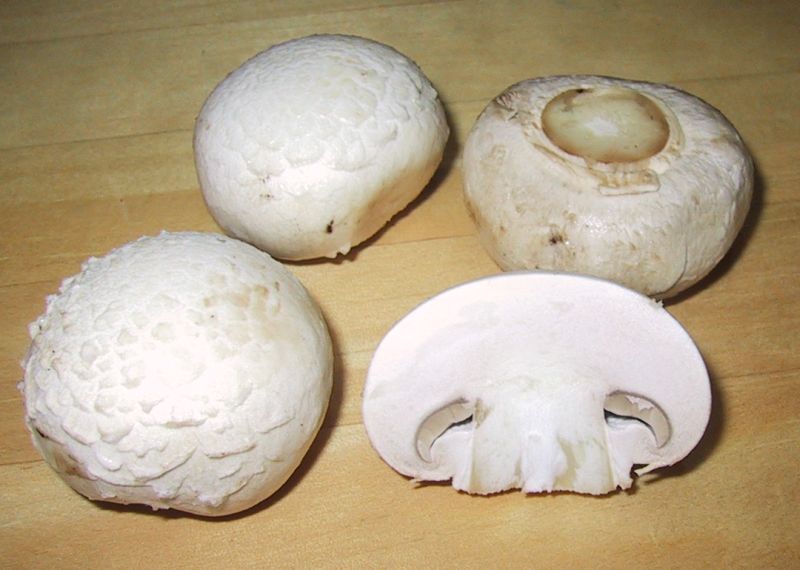
Mushrooms - everyone is going crazy for shitake, oyster, portobello, maitake and other mushrooms these days. But that doesn't mean that you should discount those tasty white mushrooms. They pack a nutritious punch with lots of fiber, vitamin B12 (especially important for vegetarians and vegans), potassium, copper, and selenium. 1/2 cup of mushrooms provides a whole lot of flavor yet only 7 calories. Another easy, versatile vegetable they can be used in many different ways in a wide variety of cuisines.
White Beans - This color covers a number of different kinds of beans, navy, great northern, cannellini, pea beans, and more. A great source of protein, white beans also offer a great source of iron and fiber. They are good for stabilizing blood sugar, good for your heart, your digestion and can be eaten so many different ways. They pair well with an almost endless combination of vegetables, herbs, and spices. One of my favorite ways to eat them is cold (after cooking) in a salad drizzled with a pesto dressing.
Celeriac - Sometimes referred to as celery root this tastes like a cross between celery and parsley. It's great in combination with other root vegetables, goes great into a slaw, cooks up well in a casserole, and is another great choice to add to your diet. Low in calories but high in vitamin C, vitamin K, vitamin B6, phosphorus, potassium, and manganese it's considered a detoxifying vegetable. It may also help with blood pressure health and support bone health.
So eat a rainbow of food, whole foods that is, but don't forget white is all the colors of the rainbow and needs to be part of your plate too.
| Cauliflower ] photo: Liftarn |
![]() |
| Parsnip | photo: A.Cahalan |
![]() |
| Garlic | photo: geocachernemesis |
![]() |
| White Onion | photo: multadroit |
![]() |
| Mushrooms | photo: Chris 73 |
![]() |
| White Beans | photo: Rasbak |
![]() |
| Celeriac | photo: AlbertCahalan |
So eat a rainbow of food, whole foods that is, but don't forget white is all the colors of the rainbow and needs to be part of your plate too.
Sunday, January 9, 2011
superfoods trending down
According to a news article I read recently superfoods are trending down. Not all superfoods, just the ones that have been the media darlings, acai, goji berries and the like. I actually like this trend because as I wrote previously (back in 2008 I might add) we don't need to import superfoods. We would do better to utilize those that are readily available. It's more sustainable, eco-friendly, and also easier on your wallet.
So what are these superfoods that we should be more aware of (and eat more often)?
Berries- with lots of fiber and antioxidants they're great and easy to add to the diet in cereal, yogurt, salads, plain, anytime.
Eggs - high in protein (1 egg provides 6 g) with lutein and zeaxanthin (good for your eyes) they're versatile and satisfying.
Nuts - raw, unsalted are the best. Providing monosaturated fats they are a great heart-healthy choice. Add them to foods such as cereals or baked good or take some along for a healthy nutrition boosting snack.
Broccoli - yes, it is a super food. With an amazing nutritional punch it provides not only fiber and a wide range of vitamins, but it also has sulforaphane which is a potent cancer fighting detoxifier.
Beans - with a hefty dose of fiber and iron beans are just an all around good for you food. Soups, stews, and dips are a great way to add them to your meals.
Beta-carotenes - okay so this isn't a food but rather a group of foods. Found in orange foods (think sweet potatoes, winter squashes, carrots, etc) and dark leafy greens (the chlorophyll hides the color) like kale, spinach, collards and more betacarotene is a powerful antioxidant that support immune system health, reproductive health, and it's very good for your eyes.
So while imported superfoods may be trending down I'm rooting for an overall upward trend in the concept of super foods.
Labels:
beans,
berries,
eggs,
immune system,
nuts,
super foods
Friday, December 3, 2010
winter and vitamin D
I have been getting a few emails about vitamin D; I'm sure it's generated by all of the press about the changing recommended levels, levels of exposure and how important it is for our health.
Vitamin D, known as the "sunshine vitamin" is a fat-soluble vitamin produced in the skin by exposure to ultraviolet (UV) type B rays. Fatty fish and eggs are a good food source of vitamin D and it is often added to milk. I have a personal theory that part of the reason behind the epidemic of vitamin D deficiency is that our parents were forced to take cod liver oil by their parents. They hated it so much they decided not to give it to their kids. The science of the times did not recognize how important cod liver oil was and it was considered "old fashioned." As a result I, and many others of my generation, grew up not taking it. So we didn't give it to our kids. While I'm not sure how much scientific veracity there is to that theory it certainly seems to fit the current situation. Decreased cod liver oil consumption combined with reduced sunshine/increased sunscreen and suddenly many people, including pregnant women and their infants, are deficient.
Why all of the scientific attention to vitamin D lately? It's very important to our health. Not only does it help support our bone structure, it's vital to immune system health, increasing activity of our natural killer cells and macrophages. Many studies now show that it may help protect against cancer, cardiovascular disease and there are even suggestions that vitamin D deficiency may be a contributing factor to increased influenza rates during the winter months.
One question I recently received about vitamin D:
"I was taking 400 IU but a while back started reading about re-examined attitudes toward D and upped it to 2,000 IU. Then I thought that might be too much so I am currently taking 1,000 IU. Your thoughts?"
Here's a little information to help you understand vitamin D better.
I believe, and the studies support, that we do not get enough and that the levels set by the government are too low. If you wear sunscreen you need to be aware that SPF8 and over will effectively block UV-B; this means your body cannot synthesize D from sunlight.
If you do not get enough outdoor exposure, are over 60 years of age (our ability to synthesize D decreases as we age), and/or live in northern latitudes you are probably not getting enough vitamin D. Someone who lives in New England or further north generally does not get sufficient vitamin D during the winter months and can become deficient. Especially if they did not have sufficient stores to begin with.
How to find out if you need more? You need to get a blood test. It is important to get the 1,25 OH-dihydroxy, not the 25(OH) vitamin D to find out what your levels are. Taking 2,000 IU per day is not an unreasonable amount especially in the winter.
Osteomalacia (vitamin D deficiency) is often treated with 5,000-50,000 IU for three to six months. Once a good level is reached doctors usually drop people to 1,500-2,000 per day. Most doctors aim for at least 30-40 ng/dL (nanograms per deciliter) although many Functional Medicine practitioners prefer a level of 50-60 ng/dL. It is important to note that too much vitamin D can be just as bad for you as too little, which is why it is important to get tested and know what your levels are.
When you take vitamin D is it best to take it as vitamin D3 (cholecalciferol) combined with K2 which is the most effective form. D2 (ergocalciferol) is not as effective. I personally prefer to take a sublingual D3/K2 liquid formulation to make sure that I am getting the best possible absorption.
The very best way to get your vitamin D? Get sunshine. Whenever possible get 15-20 minutes per day before you put on your sunscreen.
Other resources which provide good information about vitamin D:
Dr. Holick's YouTube video on Vitamin D
The Vitamin D Council
Other resources which provide good information about vitamin D:
Dr. Holick's YouTube video on Vitamin D
The Vitamin D Council
Thursday, September 9, 2010
gluten-free in an rv
Increasing numbers of people have food allergies, sensitivities or intolerances these days. There are a lot of theories as to why this is, but the bottom line is that it can make it very difficult for folks to eat outside their home. Maintaining a healthy pantry is critical for these folks, as is an awareness of what to look for when eating on the road.
Now that summer is over and the kids are back in school, it's time to get back to the regular routine while daydreaming of summer vacations. My friend Tina recently shared the story of her family and their ability to take a long-awaited cross-country family vacation. It's wonderful that they were able to achieve this dream, and a definite testament to how much advance preparation they had to do to be able to make this trip a reality.
rice/potato pastas
gluten-free pretzels
gluten-free bread crumbs
gluten-free bread
dairy-free buttery spread
gluten-free chicken broths
gluten-free, dairy-free cold cuts
gluten-dairy free brownie mix
gluten-dairy free cake mix (we had some birthdays to celebrate along the way)
corned beef without anything added in (in the midwest a lot of stores only sold corned beef with everything already added in and we couldn't trust it)
Our dinner meals were usually a meat (chicken, steak, pork, burger), sometimes breaded with veggies or a stir-fry with brown rice.
One family favorite is a breakfast that we usually have in the winter before spending the day snowmobiling out in the cold. It's tasty, filling, and an easy on-the-road breakfast.
The Berge's Hash and Eggs
Can of corned beef (plain, no potatoes added)
4 potatoes (or as many as you feel is adequate for the # of people you have), diced
3-4 T. olive oil
1 onion, diced
ground pepper, to taste
onion powder (optional)
eggs (1 or 2 per person)
Put the onion in a frying pan with a 1 T. oil until softened.
Add the potatoes, more oil if needed, and cook until potatoes start getting soft.
Add the corned beef and brown it all (no need to add salt since the corned beef has it already)
Season with pepper and more onion powder if needed
When the hash is browned remove from the pan and set aside
Cook the eggs (we like sunny side up)
Place eggs on top of the hash and serve
It's so delicious and for lunch you can get by with just a piece of fruit and some nuts or other light meal... works great when you're travelling around for the day.
My husband's diet influenced us in other ways as well. We ate "out" at a restaurant only twice during the five weeks we were on the road. Before being seated we would ask our server lots of questions about whether they could accomodate us; if they said they could, we would try it. However there was always that feeling of playing "Russian Roulette" with his GI system since you're never really "sure" that the chef and wait person "get it."
While we were on the road we would seek out health food stores and would be in heaven if we found a gluten-free bakery or somewhere with treats (we were on vacation after all!). We were surprised to find that out west people do not know what italian ices are. There's a market to be tapped there, for sure!
We talked a lot about how it would be great if there were some quick, healthy drive-thru type places where gluten and dairy free people could find food. Unfortunately it doesn't exist, even the salads are usually tainted with croutons and/or cheese. It was eye opening how much harder it is to travel when you don't fit into the majority.
Travelling with food allergies can be a great experience if you plan ahead on how to find or make foods that work. Yes, it would be nice to be able to eat out a little more often while on vacation (food is half the fun of vacation!) but we were able to manage. The good news is that the States seem to be getting more aware of food allergies and it is definitely easier to find gluten-free and dairy-free foods than it was 10 years ago.
photo courtesy of: Bill Ward's Brickpile
Now that summer is over and the kids are back in school, it's time to get back to the regular routine while daydreaming of summer vacations. My friend Tina recently shared the story of her family and their ability to take a long-awaited cross-country family vacation. It's wonderful that they were able to achieve this dream, and a definite testament to how much advance preparation they had to do to be able to make this trip a reality.
Traveling gluten-free and dairy-free definitely changes what you do and how you do it. Our family has dreamed of a cross-country trip for years. Those dreams were challenged by the fact that my husband is very sensitive to gluten and dairy... even a crumb or drop can leave him with asthma and GI problems for weeks. We decided that the best way to travel would be to take our kitchen with us and do most of our own cooking. With the help of a friend who lent us their RV we were able to do finally make our dream come true and take this trip.
Starting from CT, going across the northern states, down California, then returning via the southern states and up the eastern coast it was a wonderful adventure. We were so happy our dream could become a reality and we had a great time. However we definitely had to consider how we would feed my gluten and dairy-free husband along the way.
Carefully considering our menus we pre-stocked the kitchen with gluten and dairy-free staples we knew we could have a hard time finding on our travels across the country. Not every area of the country offers a wide range of dietary choices and not every store has things like:
rice/potato pastas
gluten-free pretzels
gluten-free bread crumbs
gluten-free bread
dairy-free buttery spread
gluten-free chicken broths
gluten-free, dairy-free cold cuts
gluten-dairy free brownie mix
gluten-dairy free cake mix (we had some birthdays to celebrate along the way)
corned beef without anything added in (in the midwest a lot of stores only sold corned beef with everything already added in and we couldn't trust it)
Our dinner meals were usually a meat (chicken, steak, pork, burger), sometimes breaded with veggies or a stir-fry with brown rice.
One family favorite is a breakfast that we usually have in the winter before spending the day snowmobiling out in the cold. It's tasty, filling, and an easy on-the-road breakfast.
The Berge's Hash and Eggs
Can of corned beef (plain, no potatoes added)
4 potatoes (or as many as you feel is adequate for the # of people you have), diced
3-4 T. olive oil
1 onion, diced
ground pepper, to taste
onion powder (optional)
eggs (1 or 2 per person)
Put the onion in a frying pan with a 1 T. oil until softened.
Add the potatoes, more oil if needed, and cook until potatoes start getting soft.
Add the corned beef and brown it all (no need to add salt since the corned beef has it already)
Season with pepper and more onion powder if needed
When the hash is browned remove from the pan and set aside
Cook the eggs (we like sunny side up)
Place eggs on top of the hash and serve
It's so delicious and for lunch you can get by with just a piece of fruit and some nuts or other light meal... works great when you're travelling around for the day.
My husband's diet influenced us in other ways as well. We ate "out" at a restaurant only twice during the five weeks we were on the road. Before being seated we would ask our server lots of questions about whether they could accomodate us; if they said they could, we would try it. However there was always that feeling of playing "Russian Roulette" with his GI system since you're never really "sure" that the chef and wait person "get it."
While we were on the road we would seek out health food stores and would be in heaven if we found a gluten-free bakery or somewhere with treats (we were on vacation after all!). We were surprised to find that out west people do not know what italian ices are. There's a market to be tapped there, for sure!
We talked a lot about how it would be great if there were some quick, healthy drive-thru type places where gluten and dairy free people could find food. Unfortunately it doesn't exist, even the salads are usually tainted with croutons and/or cheese. It was eye opening how much harder it is to travel when you don't fit into the majority.
Travelling with food allergies can be a great experience if you plan ahead on how to find or make foods that work. Yes, it would be nice to be able to eat out a little more often while on vacation (food is half the fun of vacation!) but we were able to manage. The good news is that the States seem to be getting more aware of food allergies and it is definitely easier to find gluten-free and dairy-free foods than it was 10 years ago.
photo courtesy of: Bill Ward's Brickpile
Thursday, October 1, 2009
hawthorne for health
Karen asks, "What do you think about using hawthorne berries to help prevent the flu?" I am not an herbalist so I had to do a little digging to come up with some information but here is my opinion on this:
Hawthorne (Crataegus monogyna) is a small tree or shrub that grows mostly in Europe, Asia and Africa. It is usually grown as a hedge, the leaves are edible in salad and the fruits, or berries (called haws), are frequently made into jams, jellies, syrup, or used to flavor brandy for liqueur. It's herbal properties are cardiac, astringent, and diuretic; the parts used are the blossoms and berries. It seems to primarily be useful for lowering high blood pressure, as aid to help with diarrhea and for cardiac health.
I was not able to find any specific information relating to using the berries or their powder as a flu preventative.
I think the best ways to avoid the flu are the obvious ones of washing your hands frequently with soap; it's very important to monitor small kids who may skip the soap part, check out this article for proper hand hygiene including a video on how to wash your hands the right way. it's also important to avoid contact with anyone who has the flu and to make sure that you are consuming immune boosting foods such as garlic, ginger, cayenne, and vitamin C.
I was not able to find any specific information relating to using the berries or their powder as a flu preventative.
I think the best ways to avoid the flu are the obvious ones of washing your hands frequently with soap; it's very important to monitor small kids who may skip the soap part, check out this article for proper hand hygiene including a video on how to wash your hands the right way. it's also important to avoid contact with anyone who has the flu and to make sure that you are consuming immune boosting foods such as garlic, ginger, cayenne, and vitamin C.
Photo courtesy of commons.wikimedia.org/wiki/User:EugeneZelenko
http://www.organicnutrition.co.uk/articles/colds.htm
www.botanical.com
www.bulkherbstore.com
The Complete Medicinal Herbal
www.botanical.com
www.bulkherbstore.com
The Complete Medicinal Herbal
Subscribe to:
Posts (Atom)