Showing posts with label berries. Show all posts

Thursday, November 15, 2012

cranberries: nature's little helper

Cranberries don’t get as much press as they deserve. They might be sour and somewhat reclusive in traditional cooking, but their health benefits go far. Also called “bounceberries”, for their ability to bounce when ripe, these little powerfruits pack quite a bit of nutrition and health benefits aside from their well-known ability to cure a urinary tract infection.

Blocking Bacteria from Sticking Around in your Body 

Proanthocyanidins, or PACs, are a natural component found in cranberries. These condensed tannins inhibit the adhesion of infection-causing bacteria within the urinary tract. Recent research shows that these PACs may act elsewhere in the body preventing other infectious diseases. According to The Cranberry Institute,

     “The adhesion of the different types of bacteria that cause both stomach ulcers, and periodontal gum disease, have been shown to be inhibited in the presence of cranberry, and it is likely that others susceptible bacteria will be found as well [...] Not only may regular consumption of cranberry products help maintain health, but in the process will reduce the number of infections in a given population, and thereby the doses of antibiotics which are needed. It is becoming increasingly clear that a reduction in general antibiotic use also reduces the likelihood of the bacteria becoming resistant to those very same antibiotics, which is a public health problem of global proportions.”

It has been accepted by medical communities worldwide that antibiotics lower immune function in children and resistant bacteria has become a serious issue. Cranberries very well may be to solution here.

Cranberries: Good for your Teeth?

Plaque is simply bacteria that have attached to your teeth and gums. Much like cranberries ability to break up the adhesive purposes of bacteria in urinary tracts, cranberries contain a substance known as a nondialysable material (NDM) that has demonstrated the ability to break up oral bacteria that causes tooth decay and gum disease. According to Critical Reviews in Food Science and Nutrition,

    “clinical trial using a mouthwash containing cranberry [...] showed a two order of magnitude reduction in Streptococcus mutans colony forming units compared with the placebo group (unpublished data). A large percentage of dental caries (cavities) can be attributed to S. mutans.”

Antioxidant Packed Little Disease Fighters

These simple little berries pack a lot of antioxidants in a small space. Cranberries contain more antioxidants than any other common fruits. These antioxidants fight off the free radicals we are exposed to daily by consuming them and removing them from the body, in laymen’s terms. They are believed to fight off heart disease and cancer. Eating cranberries helps the body maintain a healthy level of antioxidants even under high stress.

Cranberries May Be the Fountain of Youth

Research supports theories that aging is caused by free radicals destroying cells in your body. It has been found that antioxidants and other phytonutrients provide protection against these free radicals that cause chronic age-related afflictions including loss of coordination and memory. As said before, cranberries are high in antioxidants. Preliminary studies in animals have shown that cranberries protect brain cells from free radical damage and subsequent neurological damage.

Cranberries are also a rich source of the flavonoid quercetin that has been shown to inhibit development of breast and colon cancers. Drinking cranberry juice has proven benefits to your heart as well by breaking up “bad cholesterol” or lipoproteins. Cranberries have also been known to reduce the bacteria associated with peptic stomach ulcers, benefit the eyes and improve cataracts, macular degeneration, and diabetic retinopathy, and prevent kidney stones by preventing the calcium and phosphate from binding together.

Eating Cranberries

High in vitamin C, cranberries support immune function along with providing antioxidant and antibacterial benefits to your body; however, these effects are nearly depleted by the addition of high amounts of sugar. So how can you include them in your diet? Aside from drinking cranberry juice, you can mix them with other naturally sweet fruits or add a zip to your meals and use them like you would lemon. Dried cranberries can be added to an array of common foods including cereal and trail mix or if you just don’t favor the flavor you can always take a cranberry supplement. Other ways to include cranberries in your diet?

  • use them in a vinaigrette
  • throw some on your salads
  • grab some dried cranberries on the go
  • add them in bread  and muffins
  • add them to your spicy meals
  • or even, make a cosmopolitan 
Sauce it Up

You can make some cranberry sauce in ten minutes. Serve this with cottage cheese, yogurt, or ricotta cheese for breakfast or a snack. It’s also good with cheeses and nuts and as we all know, cranberries go great with turkey, but it also compliments a good chicken dinner or pork roast. Here is a recipe for a healthy chutney to accommodate any meat dish or add to your morning oatmeal


Kate Hunter is a writer at Everlasting Health Center, Reno’s best vitamin, supplement, herb and health food store since 1995. She enjoys organic gardening, whole food cooking, and following up on the latest health food news. Katie obtained B.A. in English with an emphasis on writing from Southern Oregon University and has been writing about nutrition, healthy living, cooking, and gardening for over nine years. She is a mother of three and spends her time baking, canning, growing and drying herbs, and, of course, reading food labels.

photo: Melodi2

Friday, November 9, 2012

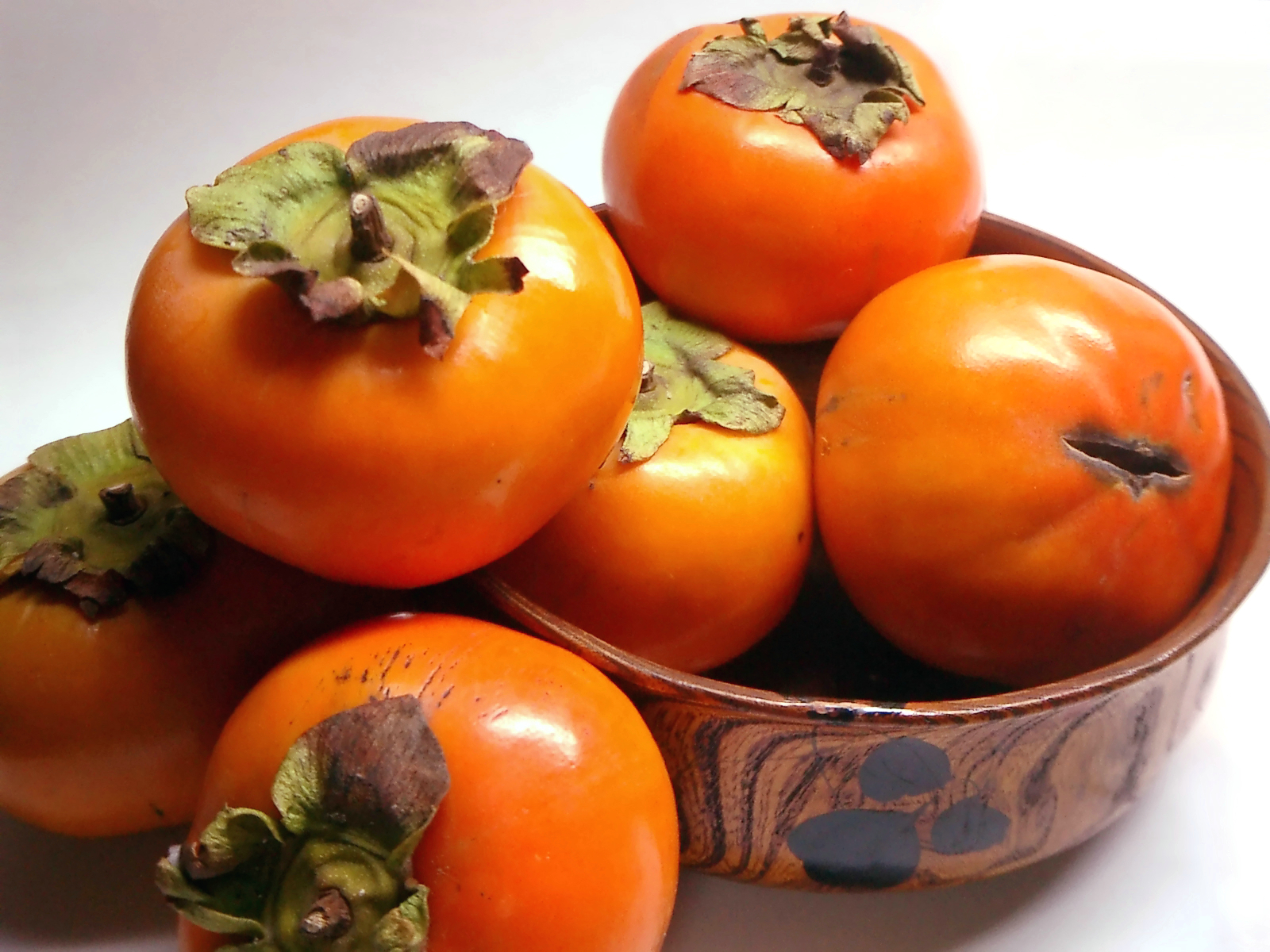
persimmon tea for acid reflux

Persimmons are a beautiful, fragrant, sweet berry available in the Fall.  Some varieties can be eaten while still slightly firm although most varieties taste best when allowed to ripen to an almost mushy consistency.  Dried persimmons are a way to enjoy this delicious treat throughout the year and are available at Asian markets.

Commonly offered after traditional Asian meals as a digestion aid, persimmon tea, sometimes called "persimmon punch," also alleviates the symptoms associated with gastroesophageal reflux disease or GERD. GERD symptoms occur when stomach contents rise into the esophagus, which produces irritation. Acid reflux sufferers often experience varying degrees of heartburn, a feeling that food remains stuck in the region of the sternum, or nausea and regurgitation after meals. Various factors contribute to GERD including a hiatal hernia or a weakened sphincter between the stomach and esophagus. Certain medications, obesity or pregnancy may also create the condition. Persimmons are known, not only for their antimicrobial properties, but also contain vitamins A, C, and ten different minerals.  The  tea, made from simple ingredients consisting of persimmons, ginger, cinnamon and sugar, offers a number of health benefits that include diminishing flatulence and the discomfort that accompanies GERD.

Making the tea merely requires boiling the persimmons, adding the spices and sugar, and cooling the mixture. Some believe the secret of the remedy lies in the cinnamon and ginger components of the tea. Cinnamon originated in China and using the bark as a spice and health remedy dates back thousands of years. The popular spice offers anti-inflammatory and antimicrobial properties as well as providing it's antacid properties, relieving excess gas and calming diarrhea. Ginger also has a long history in alternative medicine for relieving nausea and having anti-inflammatory properties.

Persimmon Tea

In a large saucepan, combine:

2 quarts water
3 cinnamon sticks
2 tablespoons of fresh ginger root, sliced
1 cup dried persimmons
3 tablespoons evaporated cane juice crystals


Simmer the water, cinnamon sticks and ginger in the saucepan for approximately 45 minutes.
Add the persimmons and cane juice crystals.
Simmer for an additional 15 minutes.
Remove from heat and allow the mixture to steep for one hour.
When cooled, strain the liquid, discarding the solid ingredients.
Refrigerate the concentrated tea and enjoy as needed, hot or cold.

Many people enjoy drinking the concentrated tea while others add a few tablespoons of the liquid to other beverages, which also provides symptomatic relief. Individuals suffering from acid reflux typically consume three to four ounces of persimmon tea before or with meals and before going to bed. The sweet, spicy flavor of the tea appeals to many and GERD suffers appreciate the beverage's calming effects.

This simple home remedy remains worth a try for people plagued with the discomfort associated with gastric disorders. Some claim that including persimmon tea with an acid reflux diet and lifestyle modifications may reduce the need for prescription medications however GERD patients should consult with their primary care provider before eliminating any prescription medications.

Rowena Kang is a writer and the Outreach Director for the Morgan Law Firm, a firm that represents clients going through a divorce in Austin.

photo:  Tomomarusan

Monday, October 8, 2012

on my mind monday 10.8.12

It's never the same two weeks in a row.  A collection of what I find interesting in the world of food, nutrition, and holistic health.  Here's what's on my mind.

MSG Wastewater As Fertilizer - I was stunned recently when I read that the wastewater from MSG production could be used as a fertilizer for corn.  Knowing how bad MSG is for human consumption it is startling to realize that it may be creeping into our diet in other ways.  I have as yet been unable to determine if it is allowable for use on organic corn.

Eat Fish Low In Mercury for Heart Health - We all know we're supposed to eat more fish.  It's good for our heart, it's good for overall health.  But fish, especially some of the larger fish like shark, king mackerel, and swordfish, tend to be high in mercury which we need to avoid.  Check out the Food and Water Watch Seafood Guide for tips about making healthier seafood choices.

Here's a cartoon that I find amusing about this issue (with thanks to The Deconstructionist Zone):


Differences in taste sensitivity - According to this article obese children and adolescents have less taste sensitivity which can lead to obesity.  This is the exact opposite of other research which shows that those who have more or highly sensitive tastebuds, supertasters, can be obese.  While this is confusing it does show that how we taste can have an effect on our ability to enjoy our food and ultimately on our weight.  But enjoyment of food is, and should be, about more than just taste.  Learning to enjoy the smell, the setting, the textures, the experience of our food is important.  Learning to eat mindfully is a habit we should cultivate.

Berries can slow cognitive decline - Apparently eating between one half to one cup of berries per week over an extended period of time (up to 2.5 years in the study) appear to have a positive effect.  This is believed to be attributable to the anthocyanins.  Whatever the reason, it's delicious and easy to do.  Just be sure to choose organic blueberries and strawberries whenever possible to avoid pesticides.


What I'm Reading:

The Winky-Eyed Jesus and Other Undescribables - Scott Wayland's entertaining description of his cross country human-powered recumbent bicycle journey across the United States.

Wednesday, November 9, 2011

olive oil cranberry bundt cake

harvesting cranberries | photo: jkb
I love the tasty tartness of cranberries and every year I look forward to the fresh ones available in the grocery store.  I confess to being somewhat jealous of my brother and sister-in-law who live in Massachusetts near a cranberry bog.  Not only is it picturesque, it produces loads of these lovely berries, one of the few native fruits we have in this country.

Most people tend to eat cranberries either as canned jelly or as craisins.  But they're so much more versatile than that.  During the holiday season I make my own cranberry orange relish and love a dollop of it in my morning oatmeal in the winter.  Even more than that I love it in this bundt cake.  I've lost the original source for this recipe over the years but I remember learning about olive oil bundt cakes years ago and being amazed at the thought of olive oil in a cake.  When I discovered how moist the cake was, even days later, I was hooked.  Tinkering with the recipe over the years this is the final version that I came up with.  It's a tasty recipe and I always look forward to making it when fresh cranberries are in season.*

Olive Oil Cranberry Bundt Cake

6 egg whites
1 1/2 cups evaporated cane juice crystals
3/4 cup extra virgin cold pressed olive oil
1 cup white whole wheat flour
1 cup all purpose flour
1 teaspoon baking soda
1 teaspoon salt
1 teaspoon ground cinnamon
1/2 teaspoon ground nutmeg
1 cup organic buttermilk
2 cups chopped fresh cranberries
2 tablespoons orange zest

Preheat oven to 350 degrees F
Butter a 9 inch bundt pan and dust with flour
In a bowl, beat the egg whites until stiff
Beat in the cane juice crystals until fluffy
Mix in the olive oil
In a separate bowl, mix the flour, baking soda, salt, cinnamon, and nutmeg
Alternately mix the egg white mixture and the buttermilk into the flour mixture until smooth
Fold in the cranberries and orange zest
Transfer the mixture to the prepared Bundt pan
Bake 1 hour in the preheated oven, until a knife inserted in the cake comes out clean

Note:  this cake can also be made with blueberries instead of cranberries, simply omit the cinnamon 
          and nutmeg.

If desired make a simple orange juice glaze:

1 cup evaporated cane juice crystals
1/4 cup orange juice

blend the cane juice crystals in a blender until finer and more powdery
whisk together with orange juice


*don't forget to buy extra bags of cranberries, they freeze very well

Thursday, September 15, 2011

cherry jam

Cherries were very reasonably priced at the grocery store leading me to buy an extra five pounds to make cherry jam.  I like making my own jam because then I know exactly what's in it.  And I manage to avoid all of the nasty ingredients that I do not want in my pantry, HFCS, artificial flavors, artificial colors, etc.  that I complained about in a recent post on grape jelly.

Jam is very easy to make.  I've taught a lot of people how to make it and invariably the response is, "That's it?"  Yes.  That's really it.  It's not that hard, it just seems complicated because most of us don't can food anymore.  Honestly I don't even make that much these days.  Now that the kids are older and most of them out of the house we just don't go through jelly, jam, chutneys, and pickles the way we used to.  So I tend to save my efforts for the more expensive items.  Like cherries.

After washing and draining the cherries comes the task of pitting them.  Without fail every single time I make cherry jam I wonder why the heck I have never invested in a cherry pitter.

I need one because, first it takes a doggone long time to pit five pounds of cherries.  Second if you've ever tried to get cherry juice out of a white blouse you'll appreciate that my fingernails look none too clean for at least a day or two afterwards.

Another challenge is trying to pit the cherries without attracting the attention of other people in the house.  Invariably five pounds of cherries turns into a fair amount less after certain unnamed people start eating them faster than you can pit them.

To make the jam simply combine the cherries with lemon peel, lemon juice, sugar, and pectin and let it cook for a while on the stovetop until it thickens.  There are lots of great recipes for cherry jam out there.  The one I use comes from the Ball Blue Book which is a great resource for recipes and information on preserving all kinds of things.

My other favorite canning/preserving book are:

Once you've created jam you put it into sterilized jars, hot water bath it and then you're done.  One of my favorite sounds is the little plinking noises made by the lids sealing after their hot water bath.

The jars will keep for up to two years in the pantry.  Each time we take one out and eat it we are reminded of the sweet, juicy taste of summer.  Believe me, in the middle of winter the hot, steam-filled kitchen and huge pots a-boiling on the stove are a far distant memory.  It's all worth it.


Wednesday, August 31, 2011

raspberry vinegar

raspberry | photo: BraveNewWorld
Raspberries are coming in to season.  Their fragrant luscious aroma greets me every time I walk into the produce section of my local grocery store.  And their plump juicy red fruit temps me.  I love raspberries and truly miss the raspberry bed I had in Connecticut.  It was stocked with four different varieties each bearing at a different time pretty much ensuring a summer full of fresh flavorful berries.

Sadly the drought here in Texas has done a number to my fruit bushes.  The trees seem to be holding their own but the elderberries, raspberries, blackberries, blueberries and goji berries are all shriveled and I'm not sure they're going to make it.

Raspberries are such a wonderful fruit because not only are they so tasty, they're so versatile.  They go great in fruit salads, eaten fresh, baked into scones or crumbles, on top of oatmeal, in a smoothie, the list goes on.  Plus 1/2 C. provides 4 g. of fiber, over 25% of your DV for vitamin C and just over 20% of your DV for manganese.

One of my favorite, extravagant ways to use raspberries is to make a raspberry vinegar.  This way I can enjoy that fragrant summer flavor all year long.

This is my favorite recipe from Fancy Pantry which is one of my best-loved preserving cookbooks.

Red Raspberry Vinegar

8 C. raspberries, cleaned, rinsed and drained
3 C. white wine vinegar

The recipe calls for the raspberries to be used in two portions.  You can freeze 4 C. for later.
Crush 4 C. raspberries and place them in a sterilized, heatproof 2 quart jar
Add vinegar and and cover the jar
set the jar in a deep saucepan and fill with water to come halfway up the jar
set over medium heat and bring the water to a boil
Reduce the heat and keep the water simmering for 20 minutes
Remove the jar and set aside, uncovered to cool the contents
When cool, add a lid to the jar and set it aside
Shake the jar every day for 2 weeks
Strain the jar to remove old raspberries, it is okay to lightly press the berries to extract all the juice
Crush 4 C. raspberries and pour infused vinegar over them
Repeat the scalding as done above
Let the vinegar rest for two weeks, shaking every day
Strain the vinegar discarding the fruit, it is okay to lightly press the berries to extract all the juice
Line a funnel with an unbleached coffee filter and place in a sterilized bottle
Filter the vinegar into the bottle
Cap or cork the bottle and store in a cool dark pantry

Note: the vinegar may develop sediment as it stands, this is okay but the vinegar can be re-filtered if you wish


Thursday, June 30, 2011

blueberry bliss

I recently went blueberry picking with a friend.  We went to our local blueberry orchard, Moorhead's Blueberry Farm.  The owner, Sid, told us that his dad started the place 35 years ago and he worked there every summer as a kid.  Now he owns it and works there every day during the season.  They don't use chemical pesticides or fertilizers which is a plus in my book.*

These bushes were fabulous!  Over six feet tall and loaded with berries.  In just 30 short minutes I managed to pick two and a half pounds of plump delicious berries.  As I was picking I was hearing parents with small children scattered throughout the field.  I laughed to myself as I remembered blueberry picking with my girls when they were little.  The three of them were more interested in eating the berries.  They would pick for a while, eating as they picked, and then when they were tired of picking they would come raid my blueberry bucket for handfuls of sweet berries.  Quite frankly I never managed to pick enough to satisfy three hungry tummies and have some for home.  I often had to go back without them in order to have a reasonable amount of berries.

I consider blueberries super-fruits, very high in antioxidants they are one of the few native American fruits.  I've written about some of their health benefits in the past.  New research appears to show that higher consumption of blueberries may be helpful in warding off conditions such as Alzheimers and Parkinson's as well as improving general cognitive function in aging adults.

Whatever their health benefits, no one can deny that they taste wonderful.  After my husband and teenaged daughter plundered the batch I brought home I had just enough left to make a gluten free blueberry coffee cake.  Obviously I'm going to have to go back for more....I guess some things never change.

Gluten Free Blueberry Coffee Cake

Preheat oven to 350 F
grease and flour a 9 x 9 baking pan

1 C. buckwheat flour
1 C. gluten free oat flour
1 C. evaporated cane juice crystals
1 t. baking powder
1/2 t. sea salt
1/4 t. baking soda
1 C. blueberries
1 C. chocolate chips
4 T. butter, cold
1/2 C. Greek yogurt
1/2 C. unsweetened almond milk
1 large egg
1 t. pure vanilla extract

topping:

1/2 C. gluten free rolled oats
1 t. cinnamon
1/2 C. evaporated cane juice crystals
1/4 c. chopped walnuts
1 t. pure vanilla extract


Mix together all of the dried ingredients
Shred butter into flour mixture using the large side of a box grater
Mix butter into the flour mixture with your hands until the mixture resembles coarse crumbs
Add blueberries and chocolate chips and toss well to coat
In a separate bowl mix together yogurt, almond milk, egg, and extract, blend well
Pour liquid ingredients into dry ingredients and quickly blend together, do not overmix the batter
In a separate bowl mix together topping ingredients
Spread topping evenly on the coffee cake
Bake for 25-30 minutes until the top of the coffee cake springs back lightly when tapped
Remove from oven and cool
Serve warm or room temperature


*Sid did share that he uses roundup for weed control (obviously not on the blueberries) because it is  a short-lived weed killer.  I'm hopeful that he will consider switching to something else like vinegar which is shown to be effective. 

Sunday, January 9, 2011

superfoods trending down

According to a news article I read recently superfoods are trending down.  Not all superfoods, just the ones that have been the media darlings, acai, goji berries and the like.  I actually like this trend because as I wrote previously (back in 2008 I might add) we don't need to import superfoods.  We would do better to utilize those that are readily available.  It's more sustainable, eco-friendly, and also easier on your wallet.

So what are these superfoods that we should be more aware of (and eat more often)?

Berries- with lots of fiber and antioxidants they're great and easy to add to the diet in cereal, yogurt, salads, plain, anytime.

Eggs - high in protein (1 egg provides 6 g) with lutein and zeaxanthin (good for your eyes) they're versatile and satisfying.

Nuts - raw, unsalted are the best.  Providing monosaturated fats they are a great heart-healthy choice.  Add them to foods such as cereals or baked good or take some along for a healthy nutrition boosting snack.

Broccoli - yes, it is a super food.  With an amazing nutritional punch it provides not only fiber and a wide range of vitamins, but it also has sulforaphane which is a potent cancer fighting detoxifier.

Beans - with a hefty dose of fiber and iron beans are just an all around good for you food.  Soups, stews, and dips are a great way to add them to your meals.

Beta-carotenes - okay so this isn't a food but rather a group of foods.  Found in orange foods (think sweet potatoes, winter squashes, carrots, etc) and dark leafy greens (the chlorophyll hides the color) like kale, spinach, collards and more betacarotene is a powerful antioxidant that support immune system health, reproductive health, and it's very good for your eyes.

So while imported superfoods may be trending down I'm rooting for an overall upward trend in the concept of super foods.

Saturday, May 22, 2010

agua fresca

Spanish for fresh waters this is a refreshing summer drink with origins in Mexico where it is sold by street vendors.  Sometimes you can find agua fresca in large containers in South and Central American stores or restaurants where it is ladled out by the glassful.  A great drink for warm weather it's a hydrating and satisfying thirst quencher that is much better than soda or over-sugared bottled drinks and fountain drinks.


Agua frescas are usually made with fruit, lime juice, sugar and water.  Watermelon, canteloupe, strawberry, pineapple, and tamarind are popular flavors.  When you make them at home the ingredients can be adjusted to account for the sweetness of the fruit you are using and for personal taste.  I rarely add sugar because I find that the fruits are sweet enough on their own.


I love using watermelon in agua frescas.  Luciano Pavarotti once said, "Watermelon, it's a great fruit. You eat, you drink, you wash your face."  High in vitamin C  and lycopene watermelon is also rich in the electrolytes potassium  and sodium which makes it a fabulous choice for summer time when we tend to lose a lot of electrolytes through perspiration.


Today I'll be making a watermelon-strawberry agua fresca, here's my recipe:


Agua Fresca
(makes 4 servings)


2 C. strawberries, dehulled
3 C. watermelon, removed from the rind and pitted
juice of 1/2 a lime
1/3-1/2 C. of ice cold water


Place berries, watermelon and lime juice in a blender
Blend until well mixed
Strain through a medium sieve colander to remove any chunks or seeds that escaped the pitting proccess
Add water until you reach a consistency that you prefer
Enjoy!


Some people like it a little sweeter. Taste carefully before adding sweetener, you should not need more than one or two tablespoons of sugar or a few drops of liquid stevia.


photo courtesy of Steve Evans | Wikimedia Commons

Sunday, May 9, 2010

strawberry contamination

Recently it has come to my attention that the State of California has approved methyl iodide for use as a pesticide on strawberry crops.


Methyl iodide is a potent carcinogen, it is used to induce cancer in lab animals because it is so effective.  Back in 2007 dozens of well respected scientists (many of them Nobel winning scientists) urged the EPA to ban this substance because it was such a dangerous chemical.


I find it disturbing and appalling that any organization, governmental or otherwise, would knowingly approve use of a substance virtually guaranteed to cause cancer in consumers.   I plan to watch this issue closely and, if methyl oxide is approved, will no longer be eating strawberries from California.  I will then be watching further to see if they approve it for other crops which I will then also no longer eat.  


The State is now seeking public comment on the issue before they implement it, you have until June 14th to let them know how you feel.  Please take a moment to stand up for your rights as consumers to non-carcinogenic foods.


Photo courtesy of Henning 48 | Wikimedia Commons